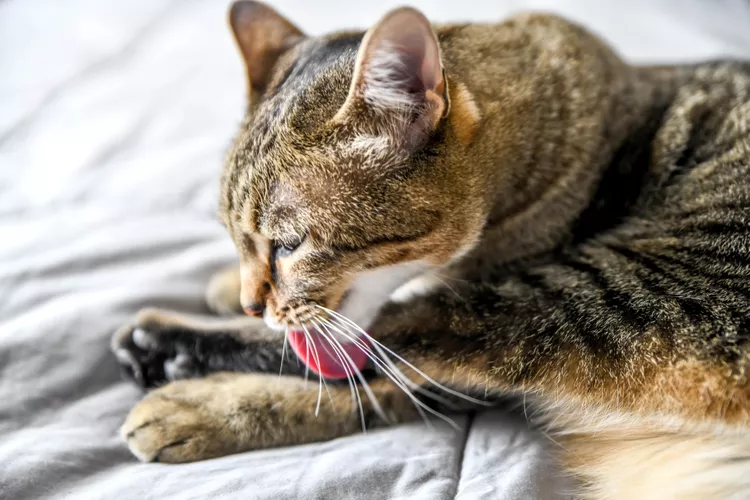
Your cat overgrooming may be for medical reasons or behavioral reasons; she may be nursing a wound or really stressed out. By treating the cause of the stress and adding stress-relieving activities and pheromones to your cat's day, you can help put a stop to your cat overgrooming.
Overgrooming is when a cat spends an abnormally large amount of time obsessively grooming itself. This can result in hair loss and skin sores. When a cat licks itself, endorphins, which are natural "feel good" neurotransmitters made by the brain, are released. These endorphins are the chemicals that make the sensation of self-grooming feel comforting. Therefore, if your cat is stressed, it may resort to this comforting behavior.
Cat owners typically say that they never see their cats indulge in lick-fests. This may be because the kitty feels more comfortable when its person is in sight and doesn't feel the urge to self-calm via licking.
When the owner isn't present, the cat may begin to feel uncomfortable and partake in overgrooming. If you do happen to witness your cat overgrooming, don't punish it. This will only create additional stress and may exacerbate the problem.
The pervasive type of stress that usually causes psychogenic alopecia is likely to be chronic and consists of a number of combined stressors, such as permanent changes in the routine and environment. This could include the absence of a certain family member because of death, divorce, longer work hours, vacation, or departure for college, in addition to:
Other cats may overgroom because of medical reasons. For example, if something is causing your cat to be itchy, it may overgroom in an attempt to relieve the itch. Cats can have allergies to food, fleas, or other elements of their environment. Consider any recent dietary or environmental changes that could underlie this behavior. If you think your cat might have an allergy, consider making an appointment with a specialized veterinary dermatologist, who can test your kitty to determine if this is the cause.
If your cat is overgrooming, you'll see a line or stripe of very short stubble that looks like a buzz-cut. It can occur anywhere on your cat's body but is most common on a foreleg, an inner thigh, or the belly. If the behavior is severe, the skin underneath the fur may become damaged, appearing red, or sore.
You’ll need a veterinarian to rule out any medical conditions and confirm the diagnosis of psychogenic alopecia. In the meantime, try to figure out the reason your cat is feeling anxious. If you can identify the cause and eliminate it, the behavior may gradually go away on its own. You can also try a few tips to help ease your cat's anxiety and overgrooming behavior:
During your next vet visit, the doctor will rule out any medical reasons for your cat overgrooming. This could include allergies, flea infestation, skin mites, ringworm, bacterial or fungal infections, or metabolic conditions, like hyperthyroidism. Skin biopsies, lab work, and a thorough physical exam can all be helpful to your vet in making the right diagnosis, with any medical treatment will vary based on the vet's findings.
In most cases without a medical diagnosis, excessive licking behaviors require anti-anxiety drug therapy prescribed by a vet to break the licking cycle. Typically the cat does not have to be on these medications its entire life, just for a period of time to help the animal deal with stress. Always follow your veterinarian's instructions if your cat is placed on any anti-anxiety medication. Any medication or training for this behavior takes time and patience to see an effect.
Know that any treatment solutions for psychogenic alopecia may not be permanent. If your cat tends to overgroom, this may recur at any time and could be an indicator that your cat is feeling stressed again.
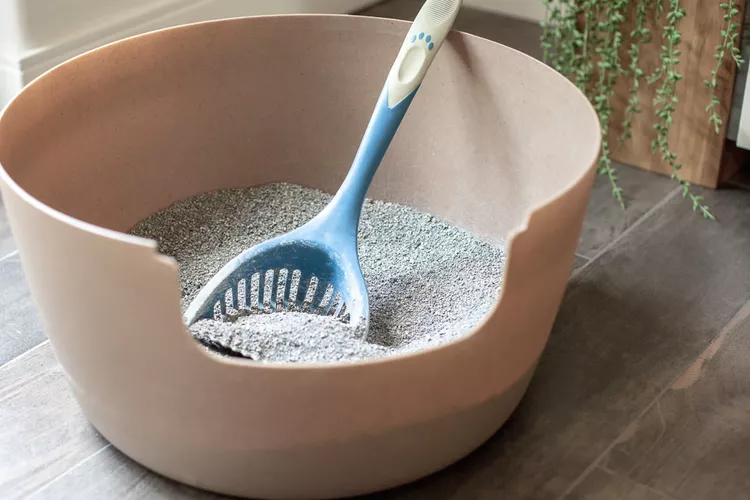
How to Dispose of Cat Litter
Cleaning cat litter is a necessary chore for all cat owners, but what's the best way to dispose of it? Generally, flushing is not a safe option.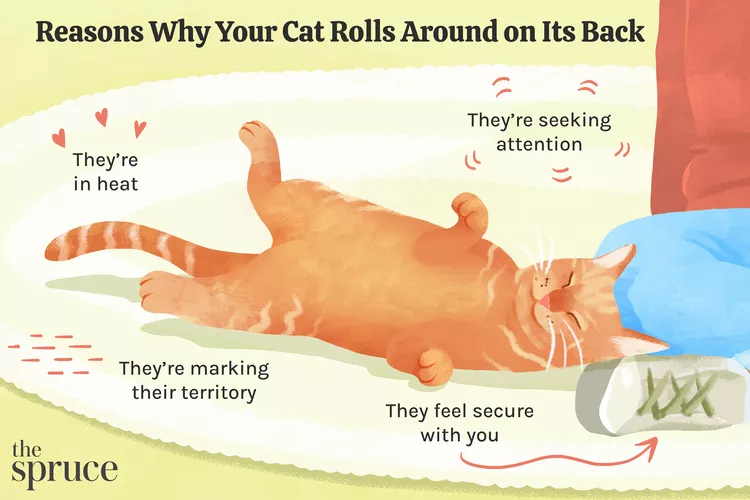
Why Your Cat Is Rolling Around on Its Back
When your cat rolls on its back, it could be telling you something. Rolling can signal the cat feels safe and might want some attention from you.
What Your Cat Is Saying With Its Eyes
Understand how cats communicate with their eyes, from arousal and trust to dominance and aggression.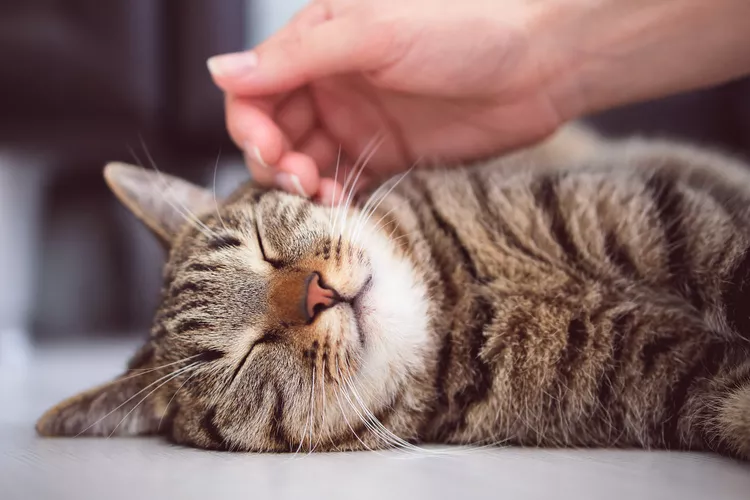
Why Cats Like Being Pet
Why do some cats enjoy being pet and others don't? Learn why certain cats want you to pet them while others just want to be left untouched.
100+ White Cat Names
White cat names can pay homage to their wintry fur, like Snowflake or Frosty, but can also be playful, such as Marshmallow, or elegant, like Pearl.
The First 30 Days With Your New Kitten
The first month is full of changes and excitement for a kitten in a new home. Find out what to expect and what you can do for your new feline friend.
What Is the Difference Between Cat Hair and Fur?
Is there a difference between cat hair and cat fur? Learn the correct terminology and about five different kinds of hair found on your feline.
Explore the Sources of Your Cat's Personality
What influences your cat's personality? Genetics, history, and environmental factors can contribute to your cat's mannerisms and moodiness.
15 Best Movie-Inspired Cat Names
If you are bringing home a kitty and you are a big movie buff, then a cinematic cat name might be right up your alley for your new feline friend.
10 Most Intelligent Cat Breeds
Looking for a smart cat? Learn about the pros and cons of 10 intelligent cat breeds, including Burmese and Siamese, to decide if one is right for you.
8 Cute Pictures of Norwegian Forest Cats
Learn about the history of Norwegian forest cats, and check out cute pictures of Norway's national cat.
12 Fluffy Cat Breeds Perfect for Endless Cuddles
If you like long-haired cats and don't mind daily (or almost daily) brushing, you’ll love these fluffy cat breeds.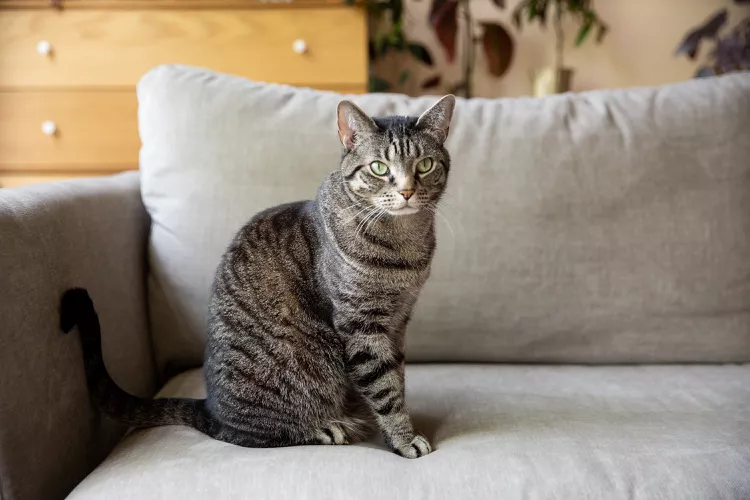
Feline Breeds, Domestic Shorthair Cats, and Color Patterns
Cat lovers often are confused about identifying terms, such as purebred, DSH, and tabby. Learn more about the differences between these terms.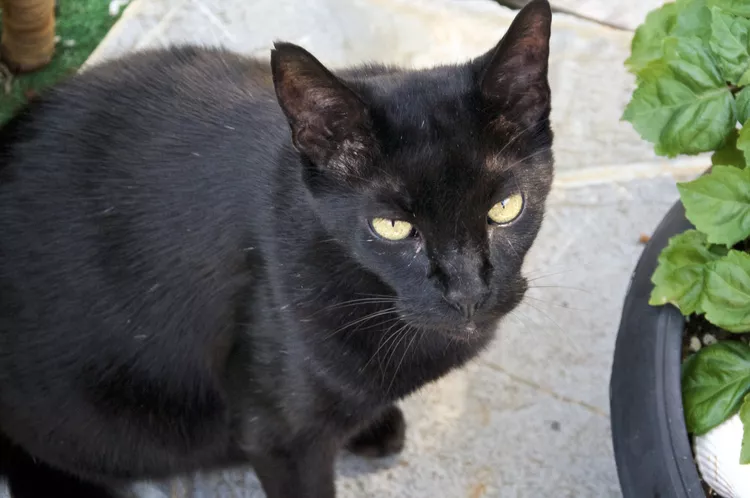
Havana Brown: Cat Breed Profile
The Havana Brown is a beautiful and rare cat breed with an interesting background.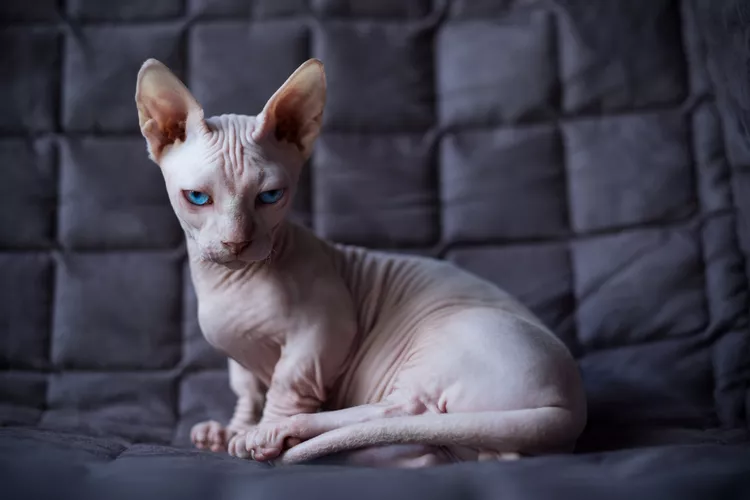
Bambino: Cat Breed Profile, Characteristics & Care
The bambino cat is a controversial cross between a hairless sphynx and the short-legged munchkin. Learn about the bambino breed.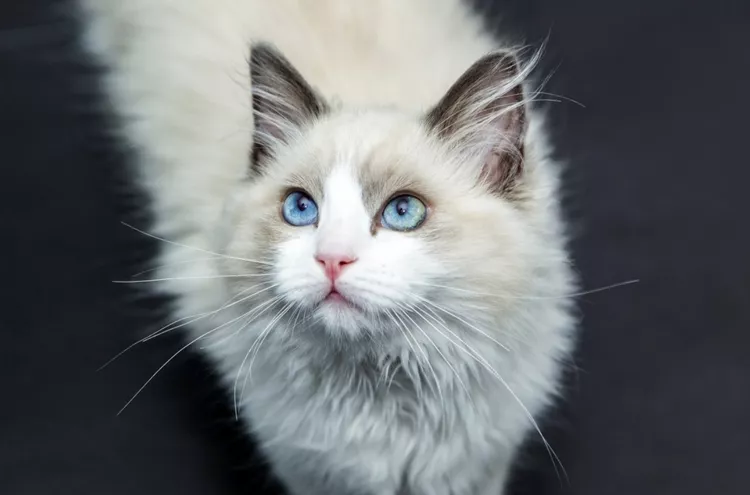
11 Cute Pictures of Ragdoll Cats
Ragdoll cats are known for their beautiful coats and bright, blue eyes. Learn all about the breed, and check out some cute pictures here.
Pictures and Facts About Bengal Cats and Kittens
Bengal cats are a cross between wild cats and domestic cats. Learn more about what they look like and pictures of this beautiful spotted breed.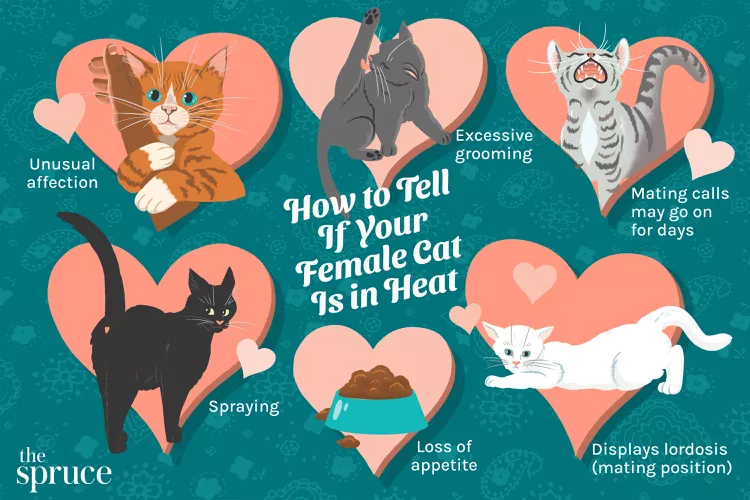
Signs of Heat in Cats
A cat in heat will show several physical and behavioral signs. Here's how to tell if your cat is in heat and how to care for her during this time. Learn the signs and how to prevent pregnancy, even if her cycle has begun.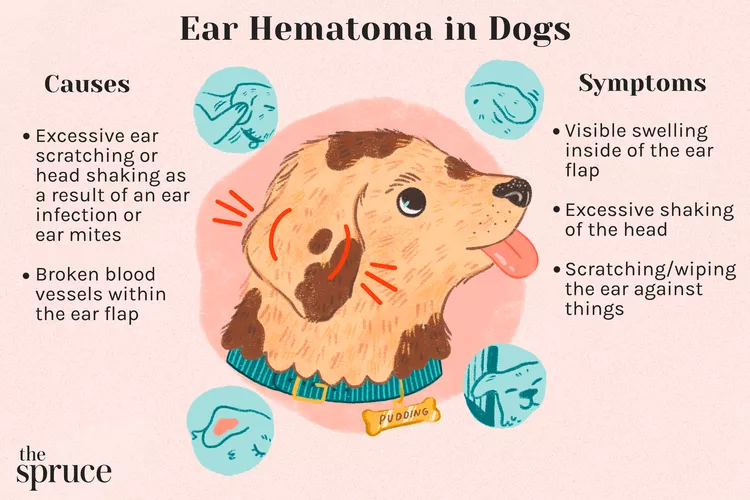
Why Is My Dog’s Ear Swollen? Causes and Treatment of Ear Hematoma
If your dog’s ear is swollen, it could indicate an ear hematoma. Learn the primary causes and treatments for ear hematomas in dogs straight from a veterinarian.
Are Snake Plants Toxic to Cats?
Snake plants can be toxic to cats, depending on the amount of plant ingested and other factors. If you suspect your cat has ingested any amount of a snake plant, seek veterinary attention immediately to prevent serious complications.