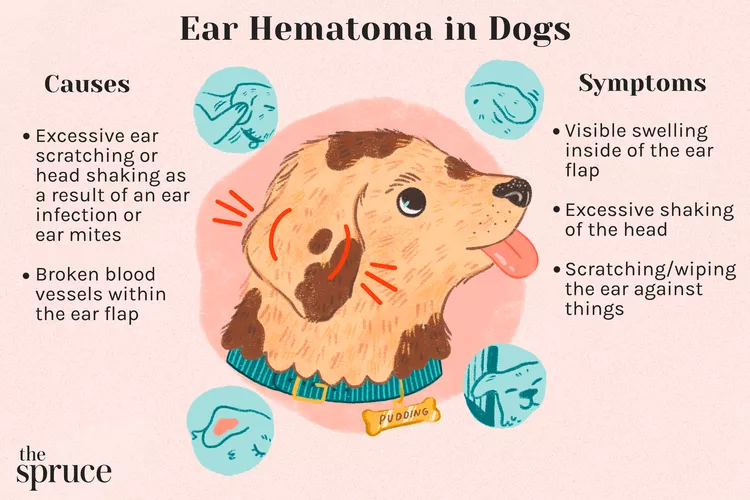
An ear hematoma is a pool of leaked blood that gathers underneath the skin, causing painful swelling and redness. Dogs frequently develop hematomas in the flaps of their ears, the outer portion of the ear connected to the sides or the top of your dog's head.
Learn more about this common ear ailment and how to treat it
Because ear flaps are very thin, there isn't much room for pooled blood should a blood vessel break underneath the skin. Consequently, the blood tends to create a pocket of swelling that can become large enough to affect the entire outer ear. You'll notice that your dog's ear looks swollen like a balloon, and the affected ear might droop more than the normal ear. Ear hematomas can feel squishy or firm, depending on the amount of swelling. They are very painful, and your dog will likely object to you touching the swollen ear.
An ear hematoma can cause the ear flap to partially or completely fill up with blood, giving the ear an inflated appearance. If the swelling is large enough, it can cover the opening of the ear canal. The extra weight of the ear flap can cause some discomfort, and may also lead to a permanent change in the carriage of the ears. Ear hematomas usually occur in just one ear but occasionally affect both ears.
If your dog is shaking its head, have it seen by a veterinarian right away. Early intervention may help reduce the chances of ear hematoma formation.
The main symptom of an ear hematoma is the swelling, which can become quite extensive. Because the hematoma is often due to an underlying ear infection, your dog will likely show a variety of symptoms due to the pain and irritation of both the hematoma and the infection, including:
If the ear is infected, as is usually the case with ear hematomas, you will probably notice signs of infection inside the ear, including excessive ear wax, black or yellowish crusts or spots of debris, and a foul odor.
Ear hematomas are created by a broken blood vessel inside the ear flap. This leads to bleeding underneath the skin. Because the tissue of the ear flap is thin, the blood doesn't have much room to spread out, so it tends to pool, leading to a swollen, balloon-like appearance of the ear.
The most common cause of ear hematomas is excessive head shaking due to an ear infection, allergies, or a foreign object inside the ear. Occasionally, however, your dog might develop a hematoma after a trauma to the ear, such as a bite from another dog or even an overly vigorous play session. And dogs with blood-clotting disorders are also more prone to developing hematomas, even without prior trauma or infection.
Due to the distinctive appearance of an ear hematoma, the diagnosis is generally quite straightforward. Your veterinarian will generally diagnose the hematoma simply by visual inspection but will be more concerned with the underlying cause. Thus, the vet will examine the inside of your dog's ears to see if there are signs of infection, allergies, or a foreign object stuck inside the ear canal. The vet might swab inside the ear and examine the specimen underneath a microscope, which can reveal bacteria or yeast.
Sometimes, your vet will recommend further diagnostic procedures, including needle aspiration of the fluid inside the hematoma to be certain it's just blood. And blood tests to assess your dog's overall health are often also ordered.
Sometimes an ear hematoma is so small that it may not need to be repaired. Left alone, the blood inside a small hematoma will eventually reabsorb. There is a risk, however, that an untreated hematoma, even if small, can leave your dog with a permanently scarred or deformed ear. That's why all hematomas should be assessed by a veterinarian, who will also provide pain medications and treatment for any underlying ear infection.
There are several options for repairing an ear hematoma. Your veterinarian will determine the right method for your dog. Here are some of the more common procedures.
This procedure involves using a needle attached to a syringe to remove fluid from the hematoma. However, the fluid will eventually return, sometimes within days, making this a temporary solution. It can also lead to infection within the ear flap. Still, some owners may prefer this method because it can provide instant relief and does not require surgery, making it the less expensive option. Instilling a steroid into the dead space can make this method more successful. A low dose of oral steroids may also be helpful.
Here, an incision is made in the ear flap surgically. The hematoma is drained of fluid and blood clots. Multiple sutures are placed in the hematoma area in a quilt-like pattern to prevent it from refilling. Usually, a small tube is left in place to serve as a drain for fluids as the area heals, and often tight bandages are applied over the ear to help reduce swelling. Sutures are typically left in place for up to three weeks to prevent recurrence of the hematoma.
A teat cannula is a small device used in the treatment of udder inflammation in cattle. These cannulas can also be surgically placed in a dog’s ear hematoma if the ear flap is large enough to accommodate it. The hematoma is drained of fluids and allowed to heal over several weeks. This method is generally successful, but the dog must tolerate the discomfort of the cannula in the ear flap while it drains fluid.
Because ear hematomas are most often caused by head-shaking due to an ear infection, the best prevention is to take steps to ward off possible ear infections before they become severe.
Regular inspections of your dog's ears are helpful; look for signs of trouble such as excessive wax, crusty debris, redness, or odor. Dry your dog's ears thoroughly after a bath or a swim, especially if your dog has floppy ears, as retained moisture can lead to the growth of yeast within the ear canal. Dogs that are prone to ear infections might need regular grooming and cleaning of their ears with vet-approved cleaner to prevent problems from developing.

How to Dispose of Cat Litter
Cleaning cat litter is a necessary chore for all cat owners, but what's the best way to dispose of it? Generally, flushing is not a safe option.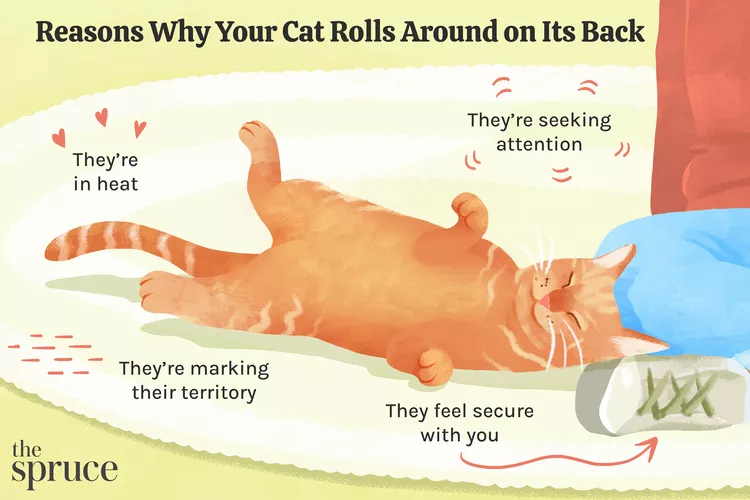
Why Your Cat Is Rolling Around on Its Back
When your cat rolls on its back, it could be telling you something. Rolling can signal the cat feels safe and might want some attention from you.
What Your Cat Is Saying With Its Eyes
Understand how cats communicate with their eyes, from arousal and trust to dominance and aggression.
Why Cats Like Being Pet
Why do some cats enjoy being pet and others don't? Learn why certain cats want you to pet them while others just want to be left untouched.
100+ White Cat Names
White cat names can pay homage to their wintry fur, like Snowflake or Frosty, but can also be playful, such as Marshmallow, or elegant, like Pearl.
The First 30 Days With Your New Kitten
The first month is full of changes and excitement for a kitten in a new home. Find out what to expect and what you can do for your new feline friend.
What Is the Difference Between Cat Hair and Fur?
Is there a difference between cat hair and cat fur? Learn the correct terminology and about five different kinds of hair found on your feline.
Explore the Sources of Your Cat's Personality
What influences your cat's personality? Genetics, history, and environmental factors can contribute to your cat's mannerisms and moodiness.
15 Best Movie-Inspired Cat Names
If you are bringing home a kitty and you are a big movie buff, then a cinematic cat name might be right up your alley for your new feline friend.
10 Most Intelligent Cat Breeds
Looking for a smart cat? Learn about the pros and cons of 10 intelligent cat breeds, including Burmese and Siamese, to decide if one is right for you.
8 Cute Pictures of Norwegian Forest Cats
Learn about the history of Norwegian forest cats, and check out cute pictures of Norway's national cat.
12 Fluffy Cat Breeds Perfect for Endless Cuddles
If you like long-haired cats and don't mind daily (or almost daily) brushing, you’ll love these fluffy cat breeds.
Feline Breeds, Domestic Shorthair Cats, and Color Patterns
Cat lovers often are confused about identifying terms, such as purebred, DSH, and tabby. Learn more about the differences between these terms.
Havana Brown: Cat Breed Profile
The Havana Brown is a beautiful and rare cat breed with an interesting background.
Bambino: Cat Breed Profile, Characteristics & Care
The bambino cat is a controversial cross between a hairless sphynx and the short-legged munchkin. Learn about the bambino breed.
11 Cute Pictures of Ragdoll Cats
Ragdoll cats are known for their beautiful coats and bright, blue eyes. Learn all about the breed, and check out some cute pictures here.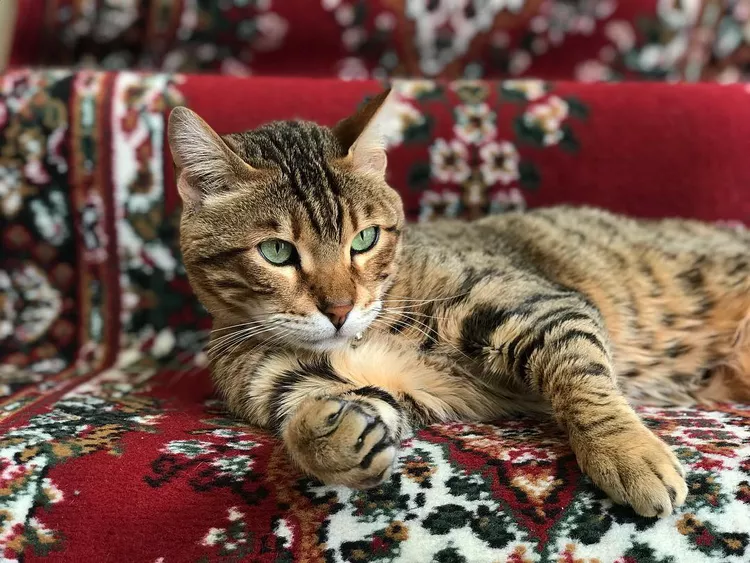
Pictures and Facts About Bengal Cats and Kittens
Bengal cats are a cross between wild cats and domestic cats. Learn more about what they look like and pictures of this beautiful spotted breed.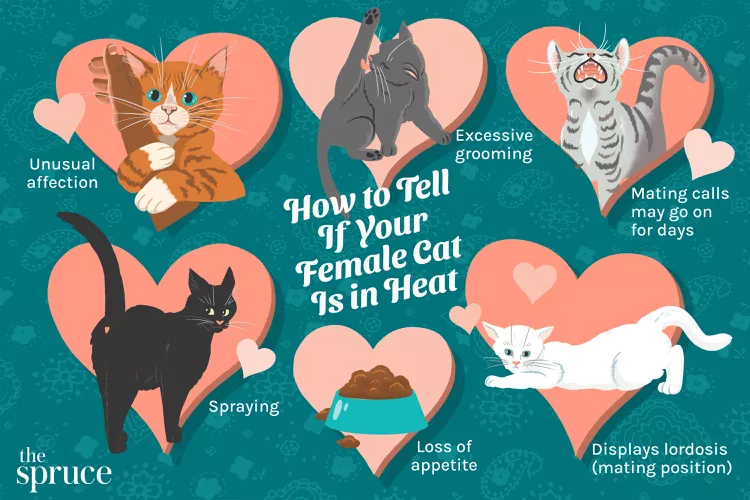
Signs of Heat in Cats
A cat in heat will show several physical and behavioral signs. Here's how to tell if your cat is in heat and how to care for her during this time. Learn the signs and how to prevent pregnancy, even if her cycle has begun.
Why Is My Dog’s Ear Swollen? Causes and Treatment of Ear Hematoma
If your dog’s ear is swollen, it could indicate an ear hematoma. Learn the primary causes and treatments for ear hematomas in dogs straight from a veterinarian.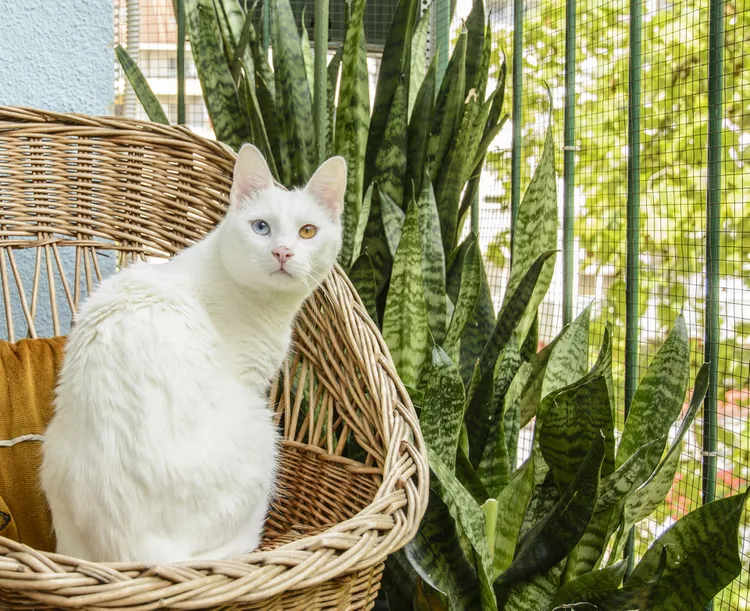
Are Snake Plants Toxic to Cats?
Snake plants can be toxic to cats, depending on the amount of plant ingested and other factors. If you suspect your cat has ingested any amount of a snake plant, seek veterinary attention immediately to prevent serious complications.