For several years Feliway has been available at pet stores, vet hospitals, and online retailers. You may know it has something to do with cat behavior, but you might not know much more than that. It may surprise you to know that Feliway is actually a formulated cat pheromone product.
Classic Feliway is an exact replication of the familiarization facial pheromone in cats. When your cat rubs her cheeks on an object, a behavior called bunting, she is rubbing this pheromone on the object. It's your cat's way of saying, 'this is mine, this is my space, I feel safe here.' Classic Feliway comes in plug-in diffuser formulations, sprays, and even wipes. The diffusers can cover up to 750 sq. ft. and can last up to 30 days, making them the most economical home products. Sprays can be used on carriers and bedding. If you volunteer a lot with shelter or foster cats you can even apply the wipes to yourself to reassure new and fearful cats.
After the initial release of Classic Feliway, Feliway Multicat was released onto the market. The pheromone in Multicat is not the same as the pheromone in Feliway Classic. Instead, it is a synthetic formulation of the pheromone mother cats release while they nurse their kittens.
From the beginning, Feliway was marketed to help with undesirable, in-home behaviors that manifest because of stress. Behaviors like going outside of the box, inter-cat aggression, or destructive behavior/scratching can all be the result of medical concerns but they can also be behavioral problems as well. Researchers have done studies over the years to test the claims of Feliway. These studies have shown that there is no physiological (that is, relating to heart rate, respiratory rate, blood pressure, etc.) differences in cats that are exposed to Feliway versus a placebo.
However, the more veterinary behaviorists learn about cat (and dog) behavior, the more it is understood that there is no one product that is 100 percent effective. There is no 'magic bullet'. Rather, behavior medicine is more effective when a multi-modal treatment approach is taken. In other words, the best treatment for a behavioral concern involves multiple therapeutic avenues.
Although Feliway on its own may not show a discernible change in cat behavior, pairing it with other anti-anxiety therapies may help you to see more of a positive effect. Nutraceuticals are over-the-counter pharmaceutical alternatives that claim to have pharmaceutical benefits. Behavioral nutraceuticals include products like Zylkene (hydrolyzed milk protein from cows), Anxitane (L-Theanine, an amino acid found in green tea leaves), and Composure chews (treats that contain a blend of colostrum, L-Theanine, and thiamine). There are also special diets that your vet can prescribe. Diets like Royal Canin's Calm and Hill's c/d stress can help your cat with her anxieties at home. The Hill's c/d stress specifically helps with cats that suffer from pandora syndrome (sometimes also termed FLUTD or FIC). Of course, there are also actual pharmaceuticals that can help with behavior problems. Your vet may choose to prescribe a behavioral medication for your cat.
Determining the cause for your cat's stress would, obviously, be the best place to start in fixing the problem. Cats can go outside of the box for something as simple as not liking the type of litter, the box being too dirty, or even just not being able to get in because the sides are too high for their arthritic joints. Your vet can talk to you about your litter box set up and help troubleshoot anything that you can try to adjust. Providing more resources, that is, more water bowls, more comfortable sleeping areas, and more scratching surfaces can help with both inter-cat aggression as well as destructive scratching.
Cats enjoy being up off the floor. It's why they jump on counters and tables all the time. So providing 'vertical surfaces', that is things like cat trees, cat shelves, etc. can help deter counter jumping as well as providing even more resources in the home. Vertical surfaces can also provide 'alternate routes' in areas that can get crowded in a multi-cat home. If you're struggling with inter-cat aggression in your multi-cat home, try and pinpoint where in the house most of the scuffles occur. If it's an area that can get a bit crowded if more than one cat is present (i.e. hallways and stairwells) providing vertical surfaces can make that area seem less crowded for your cats.
If you're not seeing the results you would like with Feliway in your home, talk to your vet about what you can add to the mix. Sometimes something as simple as providing another litter box or moving a cat scratcher to a more stable and accessible location is enough to fix a behavioral problem. Your vet is there to help you and your cat figure out how to live stress-free.
How to Dispose of Cat Litter
Cleaning cat litter is a necessary chore for all cat owners, but what's the best way to dispose of it? Generally, flushing is not a safe option.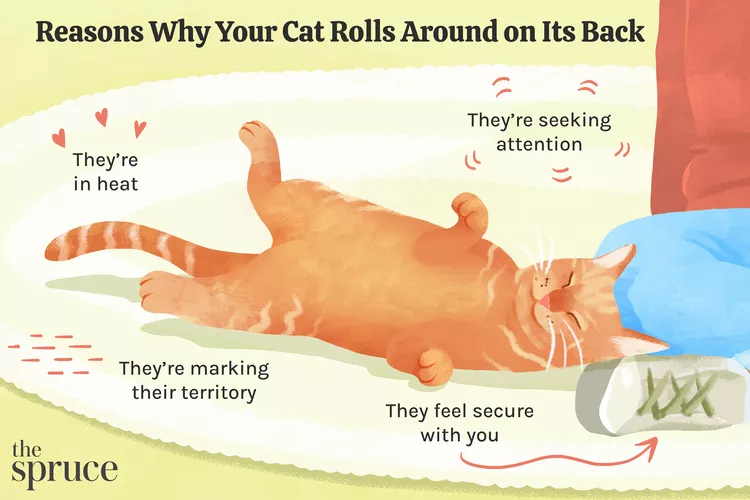
Why Your Cat Is Rolling Around on Its Back
When your cat rolls on its back, it could be telling you something. Rolling can signal the cat feels safe and might want some attention from you.
What Your Cat Is Saying With Its Eyes
Understand how cats communicate with their eyes, from arousal and trust to dominance and aggression.
Why Cats Like Being Pet
Why do some cats enjoy being pet and others don't? Learn why certain cats want you to pet them while others just want to be left untouched.
100+ White Cat Names
White cat names can pay homage to their wintry fur, like Snowflake or Frosty, but can also be playful, such as Marshmallow, or elegant, like Pearl.
The First 30 Days With Your New Kitten
The first month is full of changes and excitement for a kitten in a new home. Find out what to expect and what you can do for your new feline friend.
What Is the Difference Between Cat Hair and Fur?
Is there a difference between cat hair and cat fur? Learn the correct terminology and about five different kinds of hair found on your feline.
Explore the Sources of Your Cat's Personality
What influences your cat's personality? Genetics, history, and environmental factors can contribute to your cat's mannerisms and moodiness.
15 Best Movie-Inspired Cat Names
If you are bringing home a kitty and you are a big movie buff, then a cinematic cat name might be right up your alley for your new feline friend.
10 Most Intelligent Cat Breeds
Looking for a smart cat? Learn about the pros and cons of 10 intelligent cat breeds, including Burmese and Siamese, to decide if one is right for you.
8 Cute Pictures of Norwegian Forest Cats
Learn about the history of Norwegian forest cats, and check out cute pictures of Norway's national cat.
12 Fluffy Cat Breeds Perfect for Endless Cuddles
If you like long-haired cats and don't mind daily (or almost daily) brushing, you’ll love these fluffy cat breeds.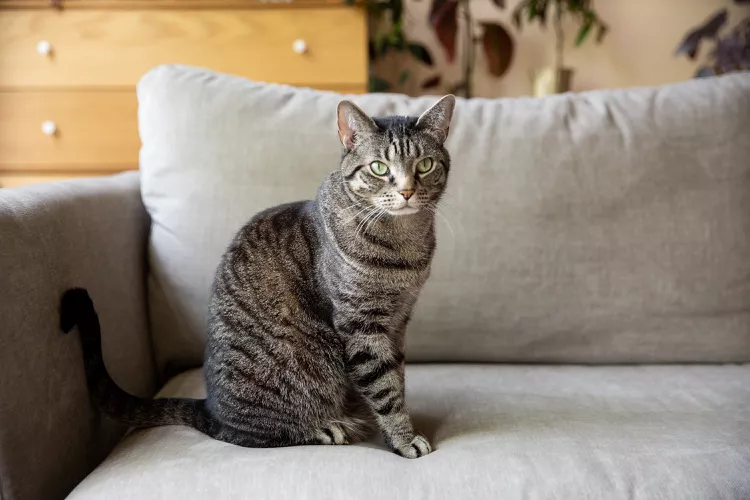
Feline Breeds, Domestic Shorthair Cats, and Color Patterns
Cat lovers often are confused about identifying terms, such as purebred, DSH, and tabby. Learn more about the differences between these terms.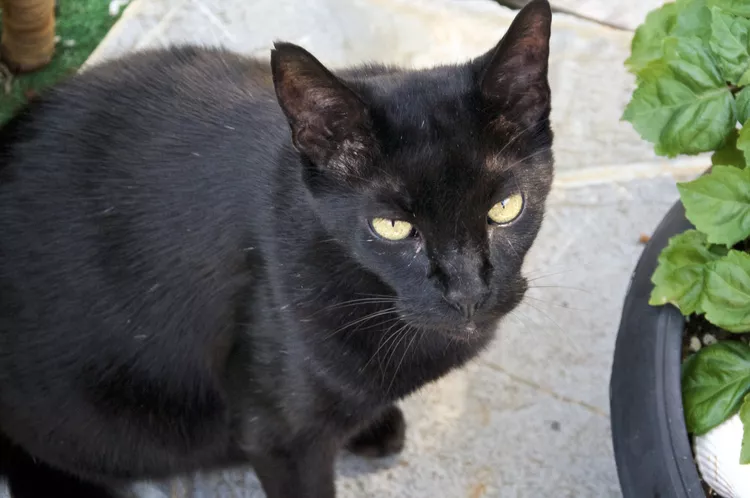
Havana Brown: Cat Breed Profile
The Havana Brown is a beautiful and rare cat breed with an interesting background.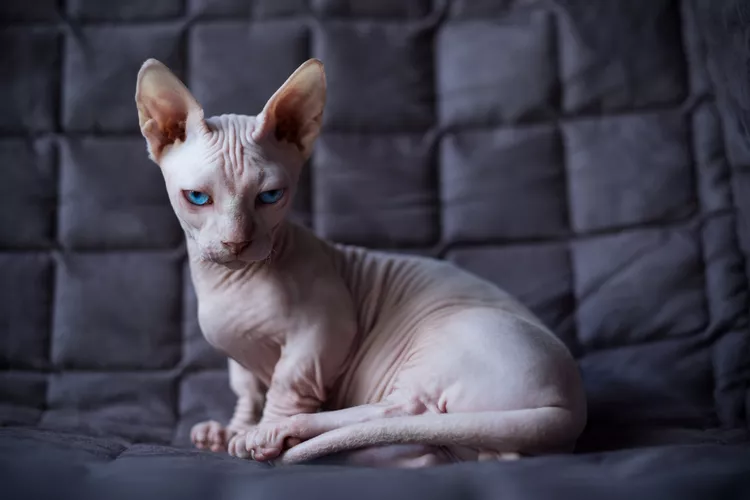
Bambino: Cat Breed Profile, Characteristics & Care
The bambino cat is a controversial cross between a hairless sphynx and the short-legged munchkin. Learn about the bambino breed.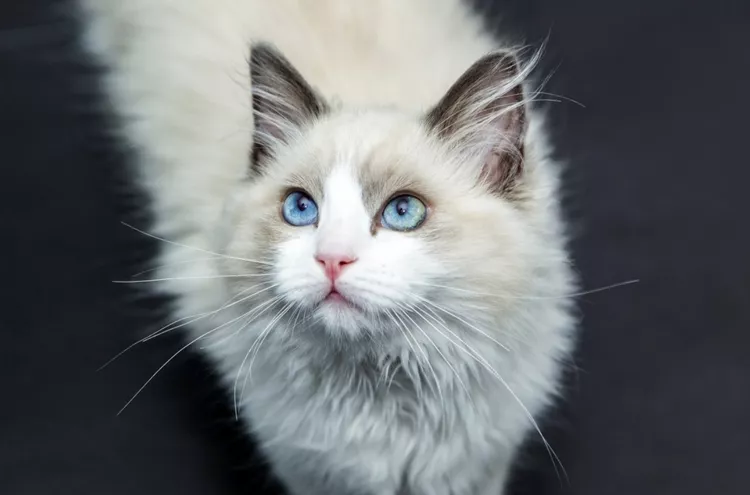
11 Cute Pictures of Ragdoll Cats
Ragdoll cats are known for their beautiful coats and bright, blue eyes. Learn all about the breed, and check out some cute pictures here.
Pictures and Facts About Bengal Cats and Kittens
Bengal cats are a cross between wild cats and domestic cats. Learn more about what they look like and pictures of this beautiful spotted breed.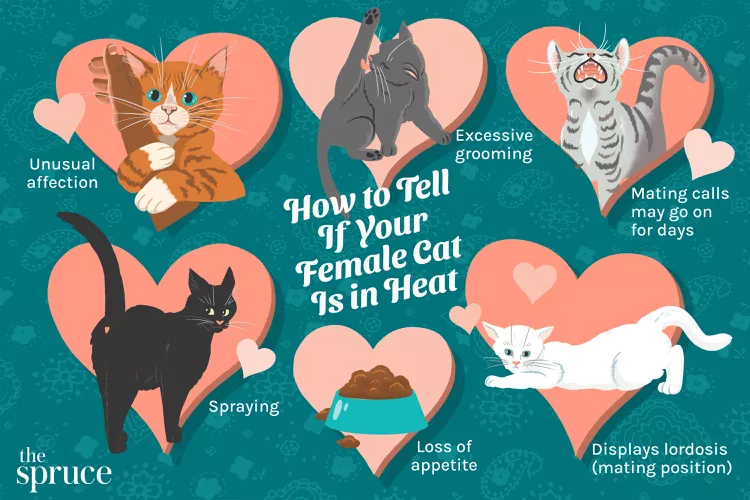
Signs of Heat in Cats
A cat in heat will show several physical and behavioral signs. Here's how to tell if your cat is in heat and how to care for her during this time. Learn the signs and how to prevent pregnancy, even if her cycle has begun.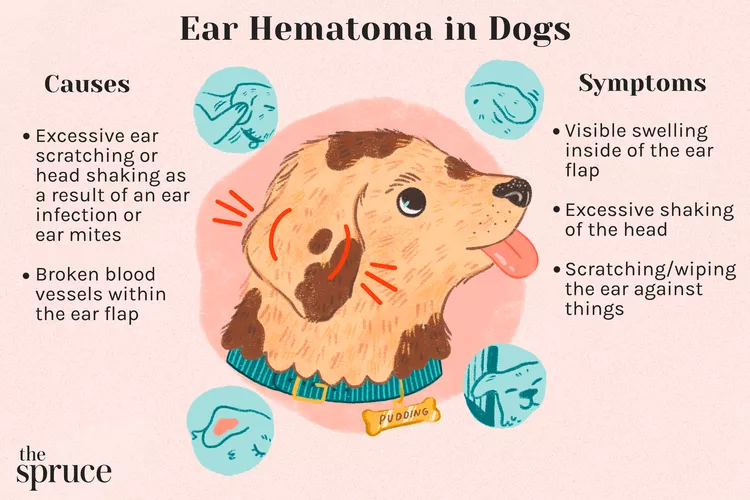
Why Is My Dog’s Ear Swollen? Causes and Treatment of Ear Hematoma
If your dog’s ear is swollen, it could indicate an ear hematoma. Learn the primary causes and treatments for ear hematomas in dogs straight from a veterinarian.
Are Snake Plants Toxic to Cats?
Snake plants can be toxic to cats, depending on the amount of plant ingested and other factors. If you suspect your cat has ingested any amount of a snake plant, seek veterinary attention immediately to prevent serious complications.