Cats throw up brown liquid for many reasons, and it can be associated with several health concerns. Brown-colored vomit often consists of bile or partially digested food and may be caused by minor issues like hairballs, or more serious concerns such as intestinal obstructions or pancreatitis. Read on to learn what may be causing your cat to throw up brown liquid, how you can help your cat at home, and when to call a veterinarian.
When cats throw up brown liquid, it may contain food, bile, stomach acids, or even blood. The color and consistency of the vomit can help point to a cause, so it may be helpful to take a photo for your veterinarian. Vomiting brown liquid could be related to many health concerns. Some of the more common of these may include:
Many cats throw up hairballs from time to time, and sometimes they'll vomit brown liquid around the same time. This liquid may contain a combination of food particles and stomach acids, which often have a brownish tinge. Occasional hairballs are normal for most cats and can be managed with diet changes, supplements, and regular hair brushing. Contact your veterinarian if the hairballs occur frequently or if your cat shows other signs of illness.
Most cat food, whether dry kibble or canned, is some shade of brown. If your cat eats too quickly or has a sensitive stomach, they may throw up partially digested or undigested food due to indigestion. Some food allergies can also cause indigestion. Or, your cat may be vomiting food due to a recent diet change. If the transition was made too quickly, your cat's digestive system may not have had enough time to adjust to the new food. In addition, some human foods are not healthy for cats and can lead to vomiting.
If a cat has eaten something indigestible, such as a string or toy, the object may become lodged in the GI tract. This blockage prevents normal digestion and may cause your cat to vomit, which may be any color or consistency depending on the stomach contents.
Sometimes brown liquid vomit can be bile, which comes from your cat's liver. Vomited bile is usually yellow in color, but it can appear brown when mixed with food or stomach acids. Vomiting of any kind, including brown liquid, could mean there's a problem with your cat's internal organs, such as liver or kidney disease.
Reddish-brown vomit may contain blood mixed with digestive juices or food. This often means the cat is bleeding somewhere in the gastrointestinal tract. GI bleeding is often caused by inflammation or an injury to the GI tract due to issues such as inflammatory bowel disease, poisoning, medication side effects, or tumors. These cats may also have blood in the stool.
If you are unsure whether the vomit has a red tinge, use a white paper towel to clean it up. You should be able to see the color better this way, especially if you add a little water to it. Contact your veterinarian immediately if you think your cat is vomiting blood.
If your cat has vomited once and is otherwise acting normal, then withhold food until the next mealtime (no more than 12 hours) and observe your cat. Contact your veterinarian if the vomiting continues or your cat shows other signs of illness, such as poor appetite, weight loss, lethargy, or diarrhea. Regular or frequent vomiting is never normal for a cat and always requires veterinary intervention.
Your veterinarian will discuss your cat's history and perform a physical exam, which includes palpating your cat's abdomen. After a thorough examination, your vet may also want to run some tests, including blood work and X-rays. Blood work will check your cat's organ function, making sure that there are no signs of liver disease or kidney disease, as well as your cat's red blood cell and platelet levels. An X-ray study will check for any fluid in the abdomen that could potentially be blood and it may also show intestinal gas patterns that could be indicative of a blockage. In some cases, abdominal ultrasound may be recommended for further imaging.
Depending on what your doctor finds, your cat may require hospitalization for fluid therapy and supportive care. Some cats are able to go home with medications after receiving outpatient treatments. If your vet suspects your cat has an intestinal blockage your cat may require surgery to remove whatever the blockage is.
If your cat is eating too quickly, food puzzles or slow feeders can help. Food puzzles are a great source of both play and enrichment for your cat because they stimulate both your cat's predatory and foraging instincts. If your cat routinely eats out of food puzzles or slow feeders and is still vomiting food, talk to your vet about the next steps.
If your vet has ruled out other medical issues and thinks your cat has a sensitive stomach or food allergy, they may recommend a special diet for your cat. Be sure to feed the diet exactly as instructed. Offer no other food or treats unless your vet has recommended it.
You can't always prevent illnesses that cause vomiting in cats, but there are steps you can take to reduce the chances of vomiting.
If you're struggling with a vomiting cat, call your veterinarian to see if they can help you determine what is ailing your cat can how you can help them feel better.
How to Dispose of Cat Litter
Cleaning cat litter is a necessary chore for all cat owners, but what's the best way to dispose of it? Generally, flushing is not a safe option.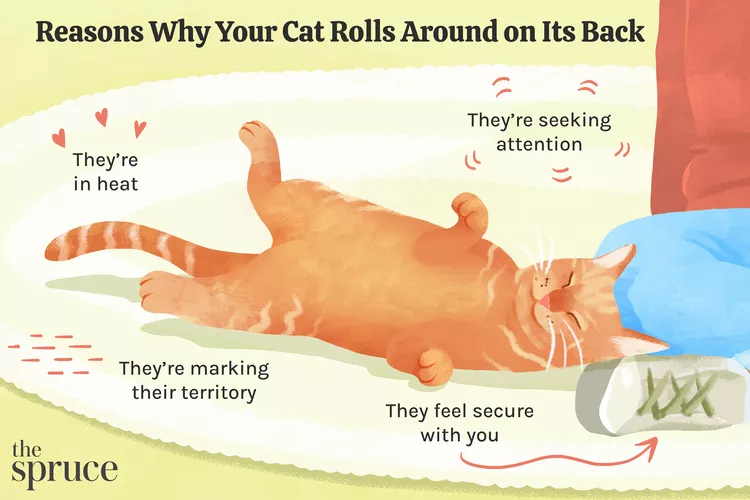
Why Your Cat Is Rolling Around on Its Back
When your cat rolls on its back, it could be telling you something. Rolling can signal the cat feels safe and might want some attention from you.
What Your Cat Is Saying With Its Eyes
Understand how cats communicate with their eyes, from arousal and trust to dominance and aggression.
Why Cats Like Being Pet
Why do some cats enjoy being pet and others don't? Learn why certain cats want you to pet them while others just want to be left untouched.
100+ White Cat Names
White cat names can pay homage to their wintry fur, like Snowflake or Frosty, but can also be playful, such as Marshmallow, or elegant, like Pearl.
The First 30 Days With Your New Kitten
The first month is full of changes and excitement for a kitten in a new home. Find out what to expect and what you can do for your new feline friend.
What Is the Difference Between Cat Hair and Fur?
Is there a difference between cat hair and cat fur? Learn the correct terminology and about five different kinds of hair found on your feline.
Explore the Sources of Your Cat's Personality
What influences your cat's personality? Genetics, history, and environmental factors can contribute to your cat's mannerisms and moodiness.
15 Best Movie-Inspired Cat Names
If you are bringing home a kitty and you are a big movie buff, then a cinematic cat name might be right up your alley for your new feline friend.
10 Most Intelligent Cat Breeds
Looking for a smart cat? Learn about the pros and cons of 10 intelligent cat breeds, including Burmese and Siamese, to decide if one is right for you.
8 Cute Pictures of Norwegian Forest Cats
Learn about the history of Norwegian forest cats, and check out cute pictures of Norway's national cat.
12 Fluffy Cat Breeds Perfect for Endless Cuddles
If you like long-haired cats and don't mind daily (or almost daily) brushing, you’ll love these fluffy cat breeds.
Feline Breeds, Domestic Shorthair Cats, and Color Patterns
Cat lovers often are confused about identifying terms, such as purebred, DSH, and tabby. Learn more about the differences between these terms.
Havana Brown: Cat Breed Profile
The Havana Brown is a beautiful and rare cat breed with an interesting background.
Bambino: Cat Breed Profile, Characteristics & Care
The bambino cat is a controversial cross between a hairless sphynx and the short-legged munchkin. Learn about the bambino breed.
11 Cute Pictures of Ragdoll Cats
Ragdoll cats are known for their beautiful coats and bright, blue eyes. Learn all about the breed, and check out some cute pictures here.
Pictures and Facts About Bengal Cats and Kittens
Bengal cats are a cross between wild cats and domestic cats. Learn more about what they look like and pictures of this beautiful spotted breed.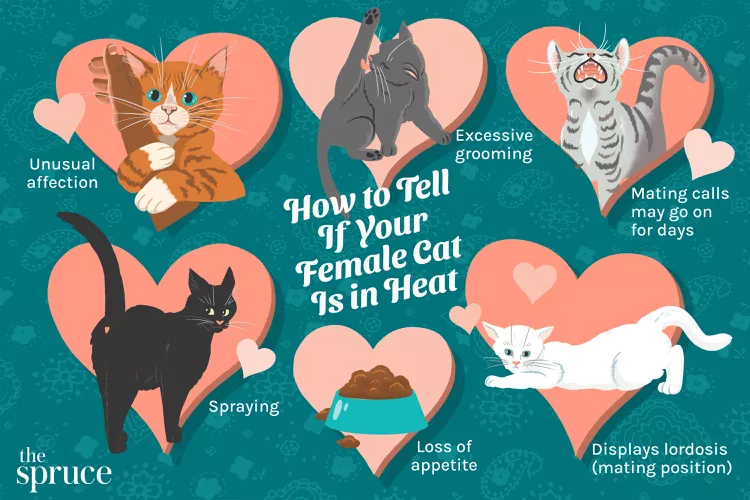
Signs of Heat in Cats
A cat in heat will show several physical and behavioral signs. Here's how to tell if your cat is in heat and how to care for her during this time. Learn the signs and how to prevent pregnancy, even if her cycle has begun.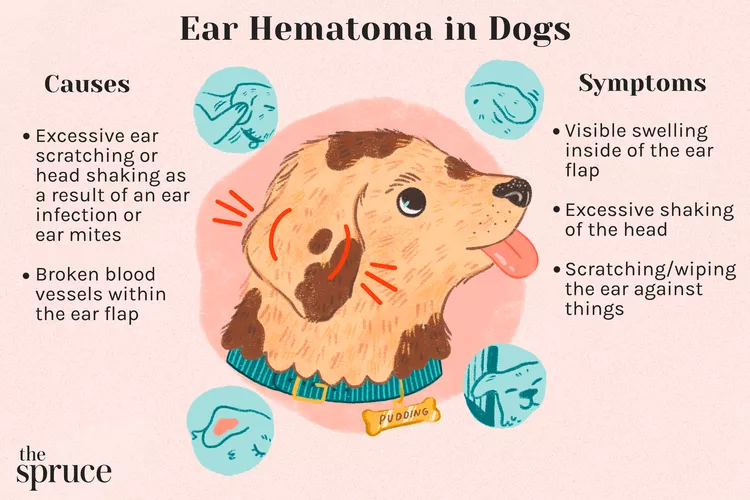
Why Is My Dog’s Ear Swollen? Causes and Treatment of Ear Hematoma
If your dog’s ear is swollen, it could indicate an ear hematoma. Learn the primary causes and treatments for ear hematomas in dogs straight from a veterinarian.
Are Snake Plants Toxic to Cats?
Snake plants can be toxic to cats, depending on the amount of plant ingested and other factors. If you suspect your cat has ingested any amount of a snake plant, seek veterinary attention immediately to prevent serious complications.