Hydrangeas are prized for their colorful blooms, but these flowering shrubs can make cats sick if they nibble on any part of the plant. While some hydrangea varieties are more toxic than others, each has the potential to poison cats. Here's how to keep your kitty safe and protected.
Hydrangeas contain chemicals called cyanogenic glycosides, which can be toxic to cats and other animals (including humans). When the plant is chewed or ingested, the chemical is released and can cause a variety of symptoms such as vomiting, diarrhea, and lethargy.
Cyanogenic glycoside is a type of compound that can release cyanide when it comes into contact with certain enzymes in the digestive system. While the level of toxicity varies depending on the specific species of hydrangea and the amount ingested, it's important to note that any amount of cyanide can be dangerous to cats.
There are over 75 types of hydrangeas, and all contain toxins that can be harmful to cats if ingested in large quantities. However, the type of hydrangea that is most toxic to cats is the Bigleaf hydrangea (Hydrangea macrophylla). This plant contains a substance which can cause vomiting, diarrhea, and lethargy in cats if consumed in large quantities. The flowers of the Bigleaf hydrangea also contain a higher concentration of the toxin than the leaves or stems.
While some types of hydrangeas may be more toxic than others, any type of plant can be dangerous to cats if ingested in large quantities. If you suspect that your cat has ingested any part of a hydrangea or any other plant, seek veterinary attention immediately.
The signs of hydrangea poisoning in cats can vary depending on the amount ingested and the severity of the toxicity. Some signs of poisoning include:
If you notice these or any other signs of illness or suspect that your cat has ingested any part of a hydrangea plant, seek veterinary care immediately.
If you see your cat nibbling on a hydrangea plant, remove them from the area immediately to prevent further ingestion. Contact your veterinarian right away to let them know what happened. They may recommend that you bring your cat in for an examination, or they may give you instructions on what to do next.
Watch your cat closely for any signs of illness, such as vomiting, diarrhea, or lethargy. If you notice any abnormal signs, seek veterinary care right away. If possible, bring a sample of the plant with you to the veterinarian's office to help them identify the species of hydrangea and determine the best course of treatment.
Do not attempt to induce vomiting unless instructed to do so by your vet as it can be dangerous to do this at home. There is no antidote to hydrangea poisoning, but your veterinarian may recommend activated charcoal to help absorb any toxins along with other treatments for supportive care. Follow their instructions carefully to ensure the best possible outcome for your cat.
While hydrangeas can add a pop of color and charm to your garden or indoor space, it may simply be risky to keep them around if your cats are also in that same area. If you have hydrangea plants in your home or yard, make sure they are placed in an area that is inaccessible to your cat. This may involve placing them on high shelves or keeping them behind closed doors. Better yet, consider using alternative plants in your home or yard that are safe for cats.
It's not just hydrangeas that can be toxic to cats. Be sure to research other common houseplants and outdoor plants that can be harmful to pets, and keep them out of reach as well. If your cat spends time outdoors, supervise them closely and keep them away from any plants that may be toxic. To protect your cat, consider transitioning them to an indoor environment. You can provide a catio or train your cat to use a leash and harness in order to offer safe outdoor experiences.
For a list of toxic and non-toxic plants, check out the ASPCA Plant Database.
In case of an emergency, make sure you have the contact information for your veterinarian and an emergency animal hospital readily available.
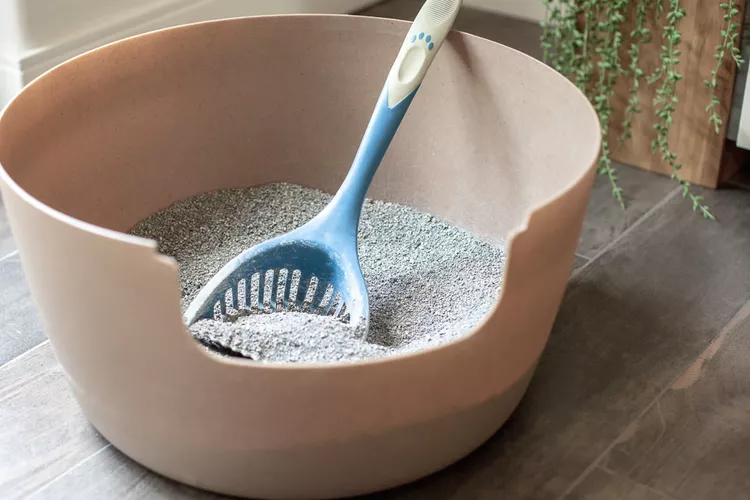
How to Dispose of Cat Litter
Cleaning cat litter is a necessary chore for all cat owners, but what's the best way to dispose of it? Generally, flushing is not a safe option.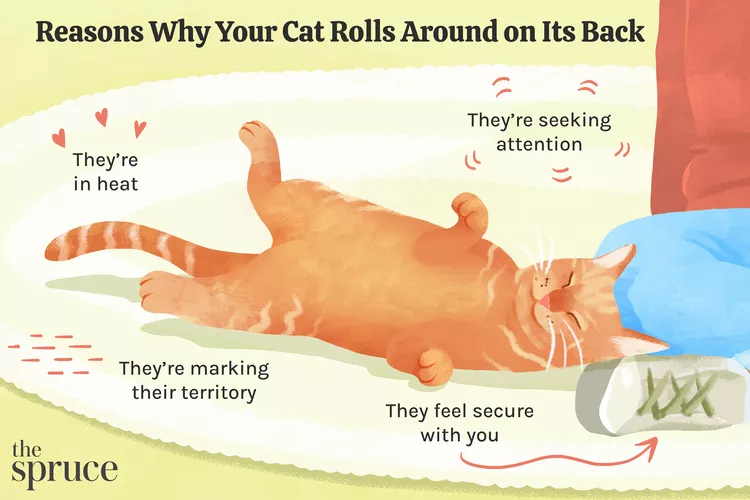
Why Your Cat Is Rolling Around on Its Back
When your cat rolls on its back, it could be telling you something. Rolling can signal the cat feels safe and might want some attention from you.
What Your Cat Is Saying With Its Eyes
Understand how cats communicate with their eyes, from arousal and trust to dominance and aggression.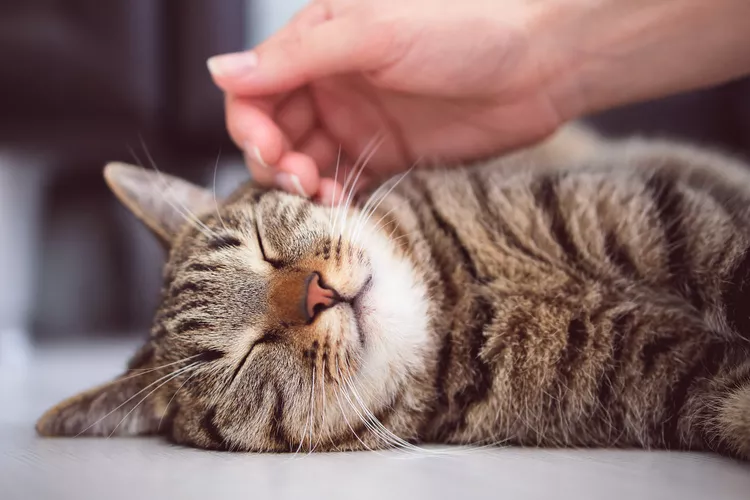
Why Cats Like Being Pet
Why do some cats enjoy being pet and others don't? Learn why certain cats want you to pet them while others just want to be left untouched.
100+ White Cat Names
White cat names can pay homage to their wintry fur, like Snowflake or Frosty, but can also be playful, such as Marshmallow, or elegant, like Pearl.
The First 30 Days With Your New Kitten
The first month is full of changes and excitement for a kitten in a new home. Find out what to expect and what you can do for your new feline friend.
What Is the Difference Between Cat Hair and Fur?
Is there a difference between cat hair and cat fur? Learn the correct terminology and about five different kinds of hair found on your feline.
Explore the Sources of Your Cat's Personality
What influences your cat's personality? Genetics, history, and environmental factors can contribute to your cat's mannerisms and moodiness.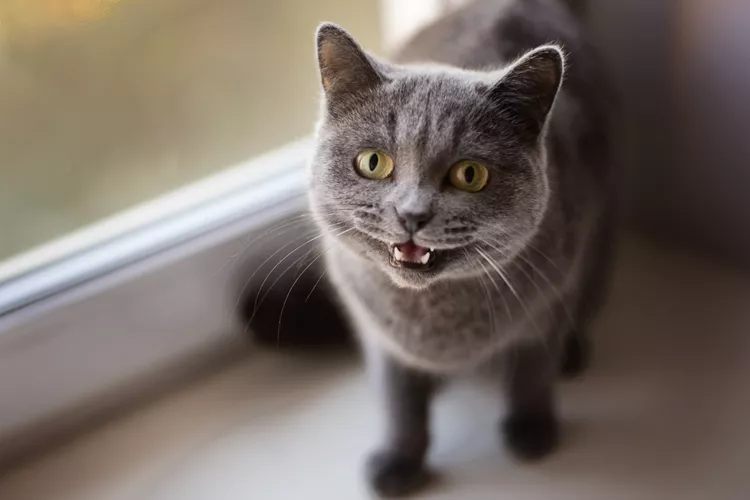
15 Best Movie-Inspired Cat Names
If you are bringing home a kitty and you are a big movie buff, then a cinematic cat name might be right up your alley for your new feline friend.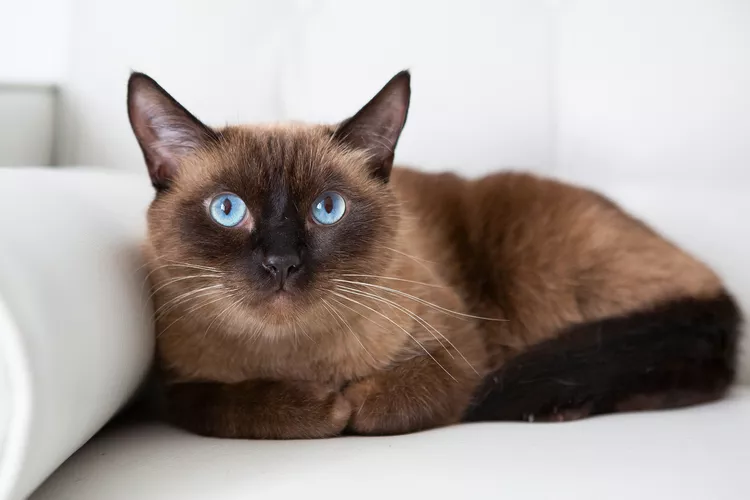
10 Most Intelligent Cat Breeds
Looking for a smart cat? Learn about the pros and cons of 10 intelligent cat breeds, including Burmese and Siamese, to decide if one is right for you.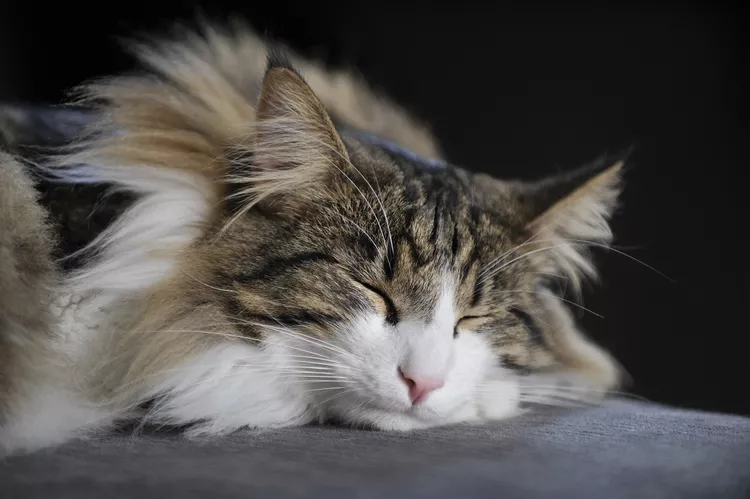
8 Cute Pictures of Norwegian Forest Cats
Learn about the history of Norwegian forest cats, and check out cute pictures of Norway's national cat.
12 Fluffy Cat Breeds Perfect for Endless Cuddles
If you like long-haired cats and don't mind daily (or almost daily) brushing, you’ll love these fluffy cat breeds.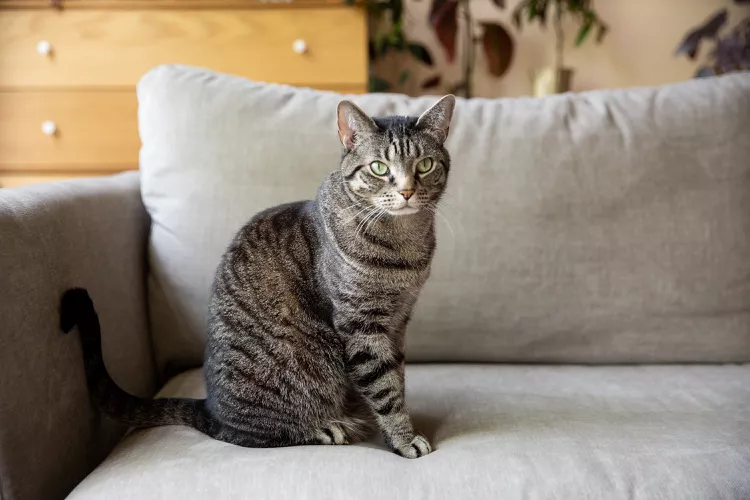
Feline Breeds, Domestic Shorthair Cats, and Color Patterns
Cat lovers often are confused about identifying terms, such as purebred, DSH, and tabby. Learn more about the differences between these terms.
Havana Brown: Cat Breed Profile
The Havana Brown is a beautiful and rare cat breed with an interesting background.
Bambino: Cat Breed Profile, Characteristics & Care
The bambino cat is a controversial cross between a hairless sphynx and the short-legged munchkin. Learn about the bambino breed.
11 Cute Pictures of Ragdoll Cats
Ragdoll cats are known for their beautiful coats and bright, blue eyes. Learn all about the breed, and check out some cute pictures here.
Pictures and Facts About Bengal Cats and Kittens
Bengal cats are a cross between wild cats and domestic cats. Learn more about what they look like and pictures of this beautiful spotted breed.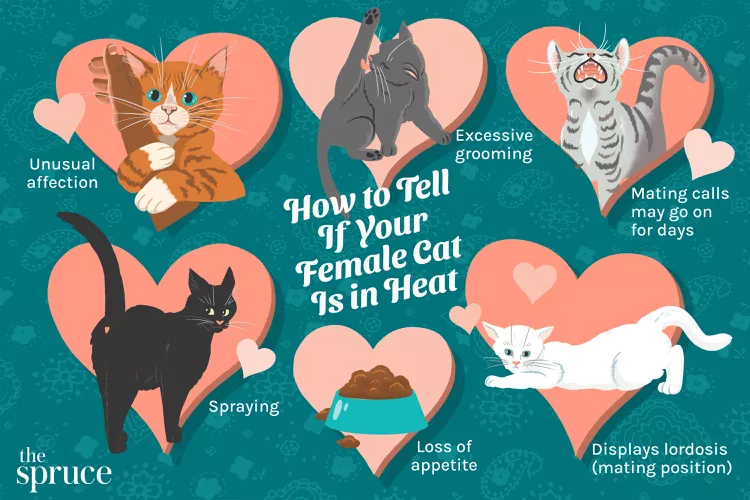
Signs of Heat in Cats
A cat in heat will show several physical and behavioral signs. Here's how to tell if your cat is in heat and how to care for her during this time. Learn the signs and how to prevent pregnancy, even if her cycle has begun.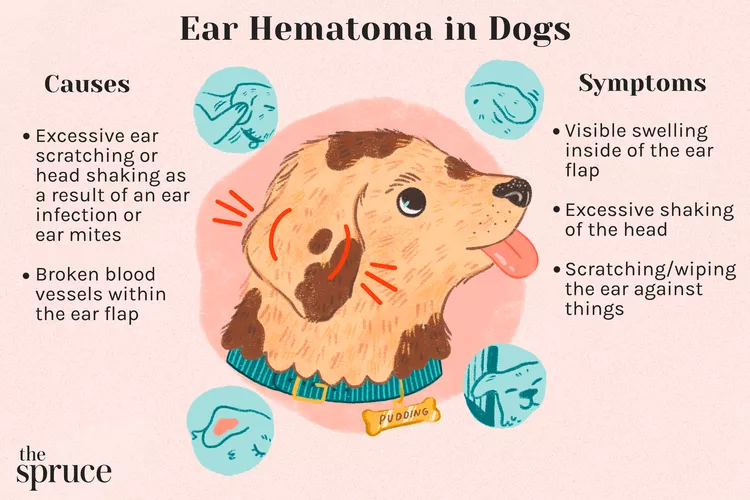
Why Is My Dog’s Ear Swollen? Causes and Treatment of Ear Hematoma
If your dog’s ear is swollen, it could indicate an ear hematoma. Learn the primary causes and treatments for ear hematomas in dogs straight from a veterinarian.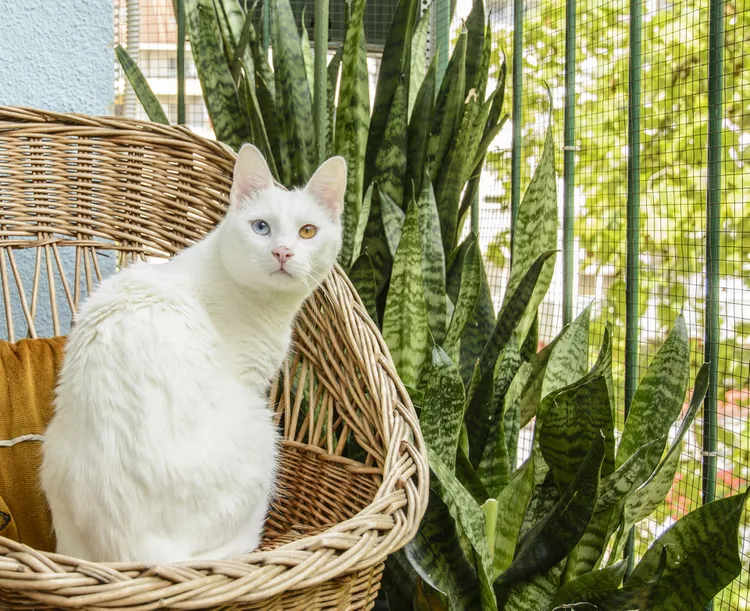
Are Snake Plants Toxic to Cats?
Snake plants can be toxic to cats, depending on the amount of plant ingested and other factors. If you suspect your cat has ingested any amount of a snake plant, seek veterinary attention immediately to prevent serious complications.