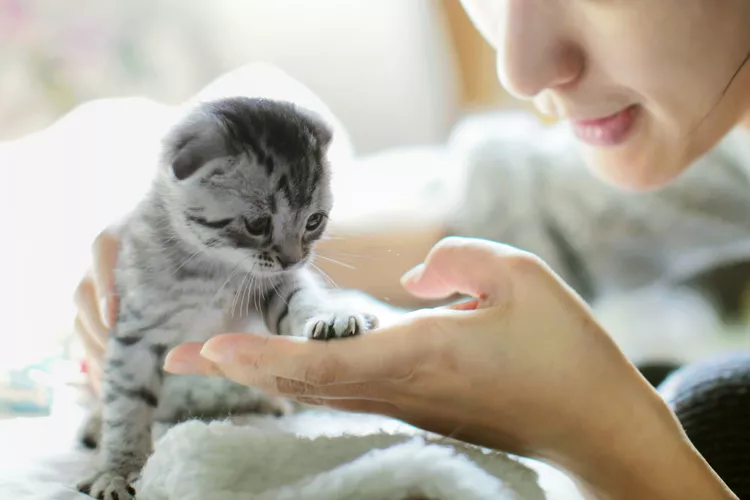
Getting a new kitten is an exciting time. You may have been anticipating getting a kitten for some time, or you might not even have known a kitten was about to join your household.
Regardless of the circumstances of the arrival, the first month with your new kitten is a month of changes, and there are things you can do to make these changes go smoothly as well as signs indicating your kitty is settling in.
If you are planning to bring a new kitten into your home, then you should take some time to prepare for the kitten’s arrival. Purchase the items that your kitten will need and place them in your home for other people and pets to start adjusting to.
Synthetic calming pheromones can be purchased as a diffuser or spray and used before the arrival of the new kitten to help older cats and the new kitten feel calm and relaxed. Even if you already have a cat, make sure the new kitten will have its own bed, food and water dishes, litter box, and toys. Set up a bathroom or other small room with these items for your kitten to stay in temporarily to provide a contained safe space while your kitten adjusts away from other pets and possible dangers in the rest of the home.
You should have at least one more litter box than you have cats and there should be no direct line of sight from litter box to litter box to prevent the cats from stalking or intimidating each other while using them. Extra litter and, of course, kitten food will also be needed to help your kitten feel at home.
Day one with your new kitten is very exciting, but you’ll want to be careful that you don’t overwhelm it. Let the kitten explore in the small room you have already set up, or if you didn’t have time to prepare for its arrival, set up a safe room and sit on the floor while the kitten acclimates to it.
If you have other pets, allow them to sniff the kitten from a distance but be sure to keep the kitten safe at all times. Place the kitten in the small room with its belongings when you can’t supervise it, so you won’t have to worry about anyone getting hurt.
Make sure the kitten knows where the litter boxes are and where they eat and drink, and ensure they have access to all of these basic needs within their small safe room. If the kitten wants to sleep, let it sleep. Keep the carrier in which you brought your kitty home accessible in case the kitten is nervous and wants to curl up inside of it, or provide another safe hiding space such as a box. It is common for a new kitten to hide at first, sometimes for the first few days, as it adjusts to all the changes. As long as it has all the essentials and quiet alone time, it will venture out of its hiding spot little by little each day. Don't try to force it out as this can cause unnecessary stress and negative associations with people or parts of your home.
After a few days, your kitten will begin to explore its new home. You can encourage your kitten to venture out of its separate room little by little each day by using toys and treats to make it a game. Your kitten will get used to where the other litter boxes, food, and water dishes are as well. It might even claim a favorite spot to sleep and befriend your pets.
Make sure your kitten continues to eat and drink well and monitor their litter box habits during this time. If you see anything abnormal including loose stools in the litter box, it is a good idea to bring this sample to the vet. You'll need to make an appointment during this time to get your kitten checked out even if it appears healthy, since it may need vaccines, deworming, and/or a routine check-up.
If your cat is going to wear a collar, choose a collar that fits and add some identification, like a name tag with your phone number, in case your kitten gets outside. It is best to purchase cat-specific break-away collars, which are designed to fall off if they get caught on something. This can prevent injuries, especially in active kittens, if they get a paw or tooth caught on the collar, or if they get caught on something while exploring. Microchipping can be discussed with your vet as a more permanent form of identification.
By the end of the first month, your kitten should be eating, drinking, and using the litter box normally. Your cat should be adjusted to its new home by now and becoming active and playful. You may notice new behaviors, such as scratching on vertical surfaces, wrestling, climbing, chewing, and jumping on furniture. If there is a behavior that is less than favorable to you that your kitten is starting to exhibit, be sure to nip it in the bud as soon as possible. Provide your kitten with appropriate scratching surfaces, items to climb, and toys to play with. Use treats and catnip to entice it into the areas you want it to play in and on, and redirect it to these items when it goes for something off-limits.
The kitten should have also been to the vet at least once for vaccines, a fecal check, and a physical examination, but refrain from taking your kitten anywhere other than a vet’s office until they are fully vaccinated. Stay on schedule with the recommended initial vaccines and while there, ask your vet about monthly preventatives for fleas, heartworms, intestinal parasites, etc.
Don't panic if you have another cat and it isn't getting along with the new kitten just yet. This process can take time, and 30 days may not be enough for your cat to adjust. This is where those synthetic calming pheromones can help all the cats in the household to adjust; they can be used as a diffuser in a room both cats spend time in, or a spray that can be used on their beds or other common areas. It can also help them bond if you make their interactions more positive by playing with both cats together, giving them treats, and/or engaging in other activities your cats enjoy, such as grooming, with the new kitten in tow.
If either cat becomes overwhelmed, scared, or aggressive during these sessions, it is a good idea to separate them temporarily. A gradual introduction is always the best approach, and that may take more or less time for different cats with different personalities. Time and patience will be worth the effort when your cats do bond and you can enjoy watching them play together, cuddle, and even groom one another.
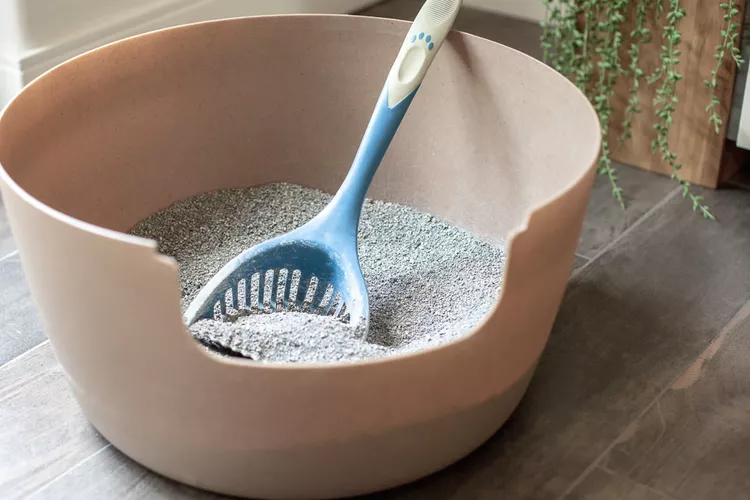
How to Dispose of Cat Litter
Cleaning cat litter is a necessary chore for all cat owners, but what's the best way to dispose of it? Generally, flushing is not a safe option.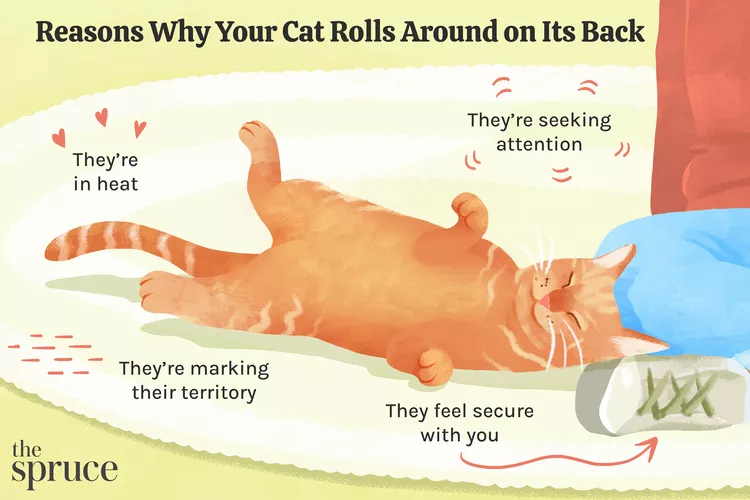
Why Your Cat Is Rolling Around on Its Back
When your cat rolls on its back, it could be telling you something. Rolling can signal the cat feels safe and might want some attention from you.
What Your Cat Is Saying With Its Eyes
Understand how cats communicate with their eyes, from arousal and trust to dominance and aggression.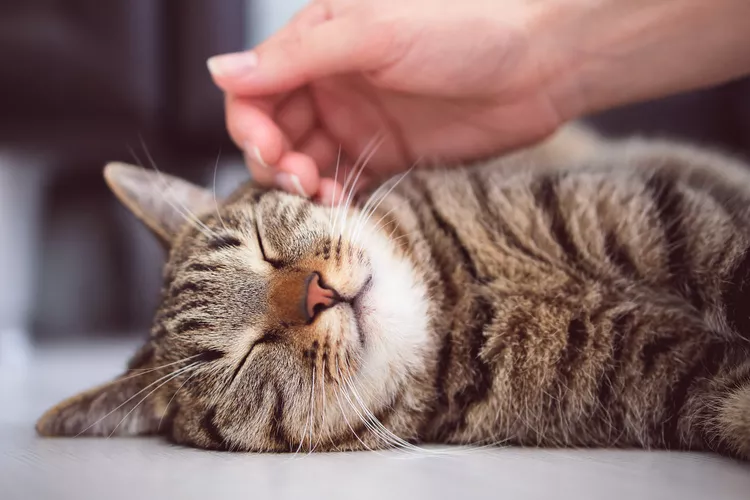
Why Cats Like Being Pet
Why do some cats enjoy being pet and others don't? Learn why certain cats want you to pet them while others just want to be left untouched.
100+ White Cat Names
White cat names can pay homage to their wintry fur, like Snowflake or Frosty, but can also be playful, such as Marshmallow, or elegant, like Pearl.
The First 30 Days With Your New Kitten
The first month is full of changes and excitement for a kitten in a new home. Find out what to expect and what you can do for your new feline friend.
What Is the Difference Between Cat Hair and Fur?
Is there a difference between cat hair and cat fur? Learn the correct terminology and about five different kinds of hair found on your feline.
Explore the Sources of Your Cat's Personality
What influences your cat's personality? Genetics, history, and environmental factors can contribute to your cat's mannerisms and moodiness.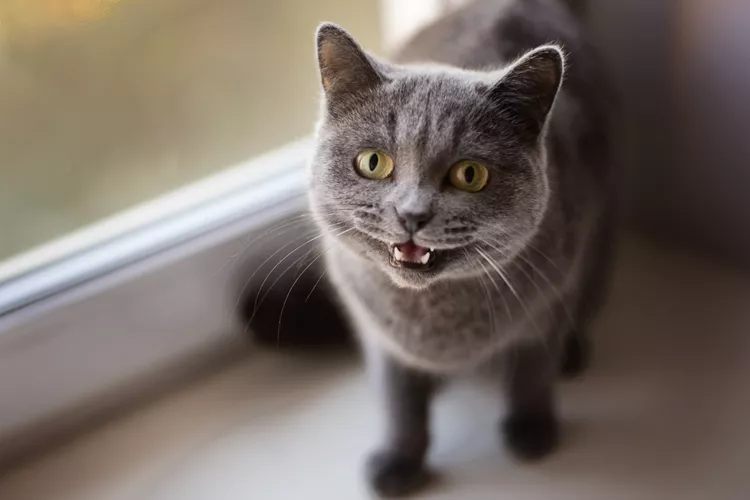
15 Best Movie-Inspired Cat Names
If you are bringing home a kitty and you are a big movie buff, then a cinematic cat name might be right up your alley for your new feline friend.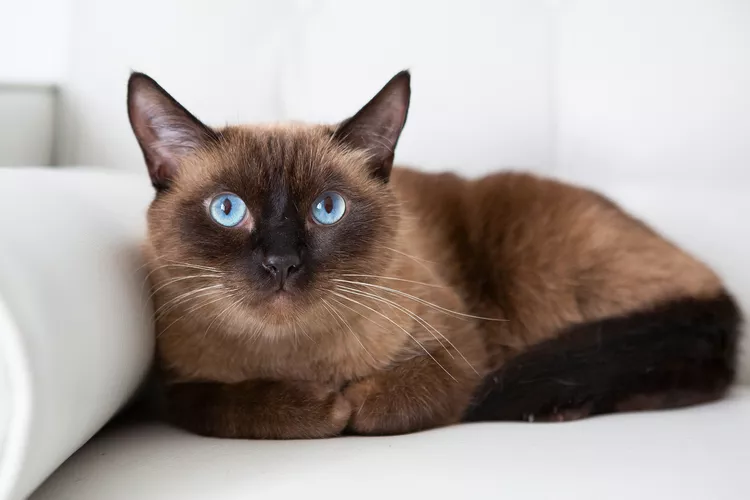
10 Most Intelligent Cat Breeds
Looking for a smart cat? Learn about the pros and cons of 10 intelligent cat breeds, including Burmese and Siamese, to decide if one is right for you.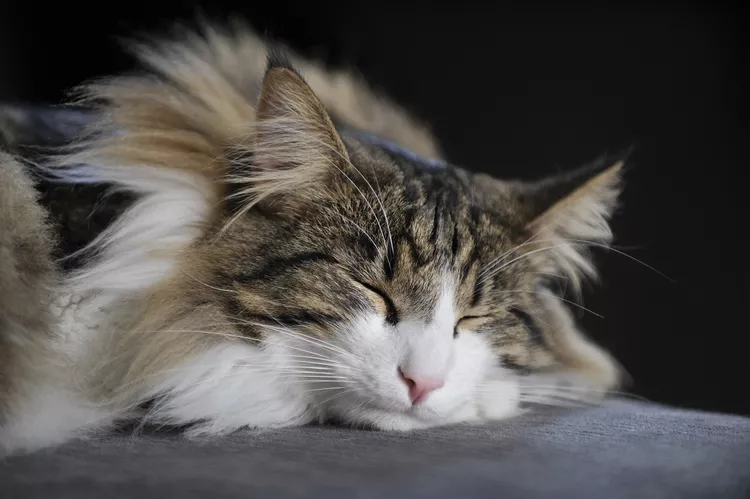
8 Cute Pictures of Norwegian Forest Cats
Learn about the history of Norwegian forest cats, and check out cute pictures of Norway's national cat.
12 Fluffy Cat Breeds Perfect for Endless Cuddles
If you like long-haired cats and don't mind daily (or almost daily) brushing, you’ll love these fluffy cat breeds.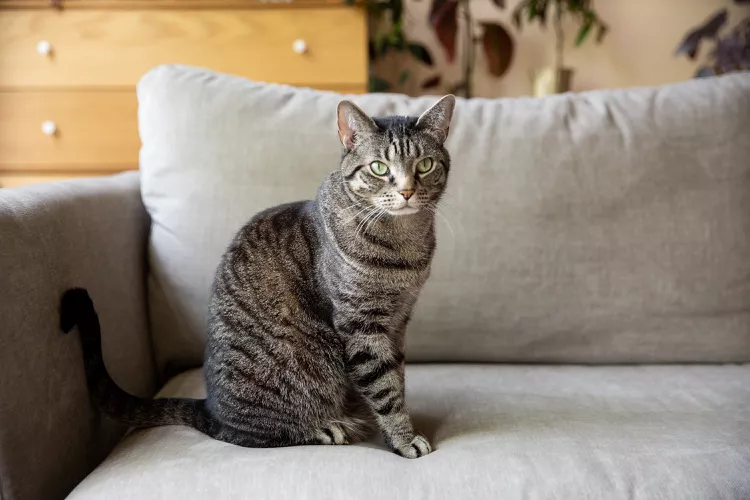
Feline Breeds, Domestic Shorthair Cats, and Color Patterns
Cat lovers often are confused about identifying terms, such as purebred, DSH, and tabby. Learn more about the differences between these terms.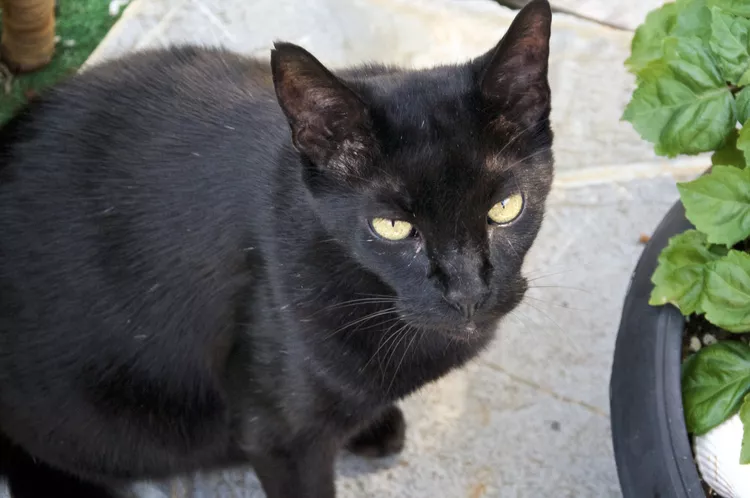
Havana Brown: Cat Breed Profile
The Havana Brown is a beautiful and rare cat breed with an interesting background.
Bambino: Cat Breed Profile, Characteristics & Care
The bambino cat is a controversial cross between a hairless sphynx and the short-legged munchkin. Learn about the bambino breed.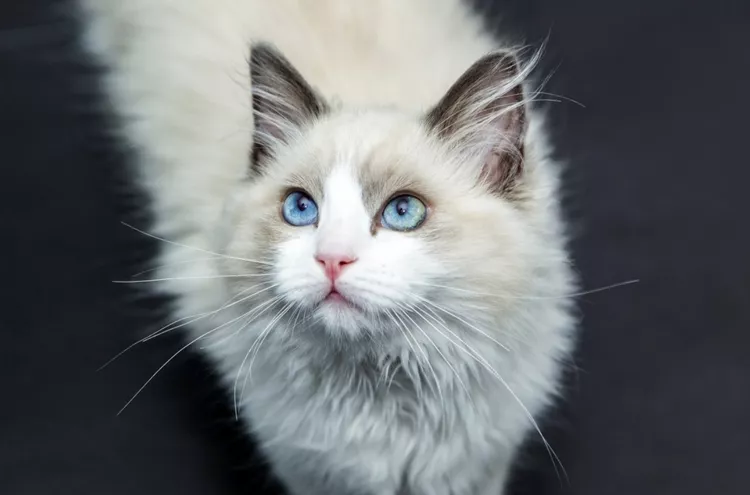
11 Cute Pictures of Ragdoll Cats
Ragdoll cats are known for their beautiful coats and bright, blue eyes. Learn all about the breed, and check out some cute pictures here.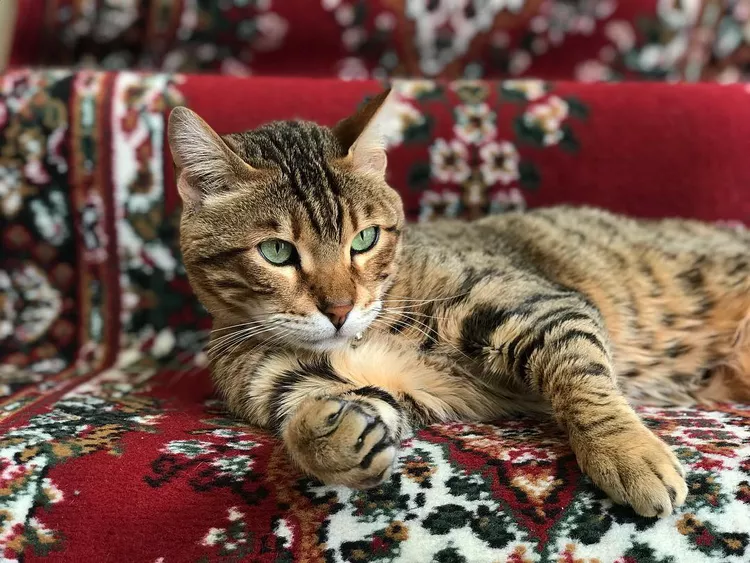
Pictures and Facts About Bengal Cats and Kittens
Bengal cats are a cross between wild cats and domestic cats. Learn more about what they look like and pictures of this beautiful spotted breed.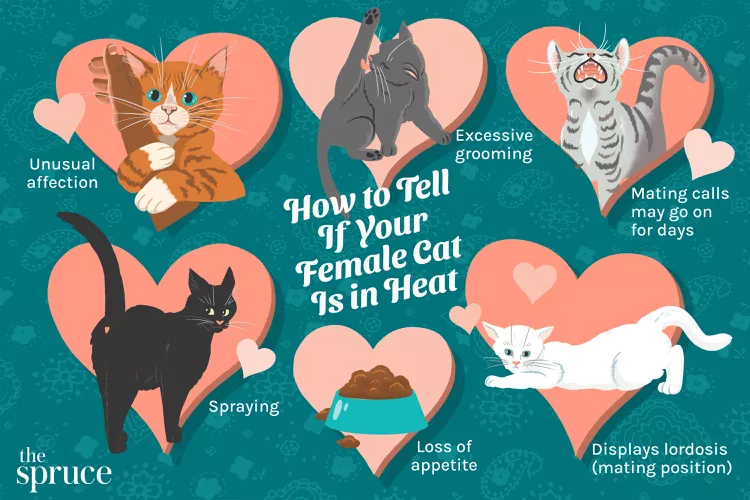
Signs of Heat in Cats
A cat in heat will show several physical and behavioral signs. Here's how to tell if your cat is in heat and how to care for her during this time. Learn the signs and how to prevent pregnancy, even if her cycle has begun.
Why Is My Dog’s Ear Swollen? Causes and Treatment of Ear Hematoma
If your dog’s ear is swollen, it could indicate an ear hematoma. Learn the primary causes and treatments for ear hematomas in dogs straight from a veterinarian.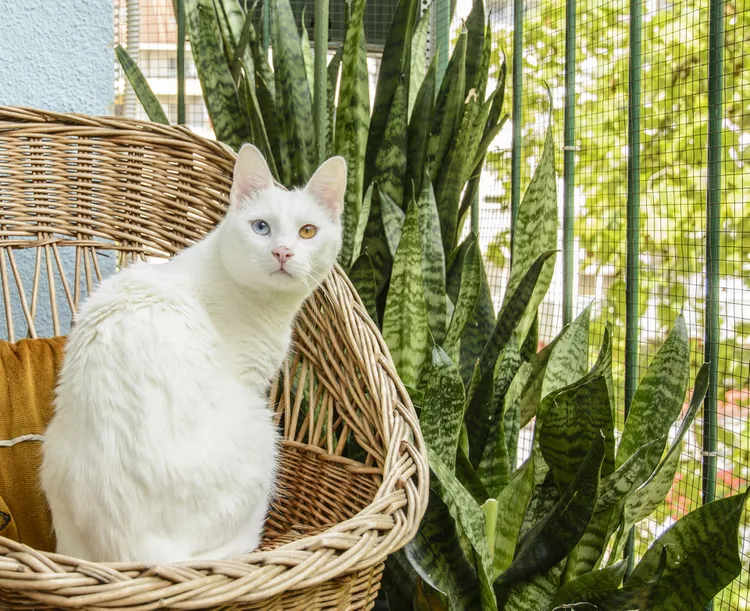
Are Snake Plants Toxic to Cats?
Snake plants can be toxic to cats, depending on the amount of plant ingested and other factors. If you suspect your cat has ingested any amount of a snake plant, seek veterinary attention immediately to prevent serious complications.