As a cat owner, you might encounter the terms "cat hair" and "cat fur." While they are often used interchangeably, are they actually different?
Essentially, all mammals have hair that varies in appearance, feel, and purpose across species. With cats, what we often call fur is basically just thick body hair. Whether you refer to your cat's coat as hair or fur, it's correct either way.
That said, the structure of your cat's hair—whether it's the sensitive whiskers, protective guard hairs, fluffy undercoat, or soft awn hairs—is what actually matters because it plays an important role in your cat's overall health and comfort. Recognizing these differences can help you better care for your cat and ensure it remains happy and healthy.
All mammals have hair, whether they're humans, whales, pigs, elephants, cats, dogs, or monkeys. However, the hair has a different appearance, feel, and purpose, depending on the development of the individual species.
There are no real differences between hair and fur. Technically speaking, the term fur is generally confined to mammals with very thick body hair. Humans have sparse body hair, so it's usually not called fur. With cats, you will often see body hair called fur. With some "hairless" breeds, such as the sphynx, the short, downy stuff that is almost invisible is usually called "hair."
Terms like "hairballs" are to describe the fur cats swallow and then hack up, while people affectionately refer to their cats themselves as furballs or furkids.
You can think of "cat hair" as an individual strand and "cat fur" as a collective; for example, cat hair is what you find on your black sweater. There may be many of them, but they are not all massed together like fur is on your cat. When grooming your cat you may either "comb its hair" or "brush its fur."
To complicate things further, breeders often describe the overall appearance of a cat's fur as its coat. You will see this term used almost exclusively in breed standards, but you will also see "hair" mentioned, as in "longhair" or "shorthair" breeds or divisions.
The bottom line is that you will be correct whether you call the fluffy, fuzzy stuff that covers your cat hair, fur, or coat. Use the term that is most comfortable for you.
Like all hair, cat hair originates in the epidermis (under the skin), and the type of hair determines the structure. There is a muscle next to the root, just under the skin, that is extremely sensitive to temperature. In cold weather, or when a cat is frightened or alarmed this muscle contracts, causing the attendant hair to stand straight up, creating that familiar "Halloween cat" look. Cats may have from one to three types of hair in their coats, referenced sometimes as "double coat," or "triple coat," plus their distinctive whiskers, which are also hairs.
Whiskers are the long, thick, tactile hairs extending from the sides of the muzzle, the cheeks, above the eyes, and at the outside of the lower legs on cats. Whiskers are extremely sensitive and play an important role in cats' ability to gauge openings and find their way around in total darkness, and they may even contain a scent-sensing ability. Whiskers are also an important factor in revealing cats' body language.
Guard hairs are the longer, stiffer hairs that extend out past the "base coat" (awn hairs). These are the hairs that usually determine the basic color of the cat. Guard hairs help in retarding water to keep a cat dry.
The undercoat is also called down. It is the softer, fluffier hair that provides warmth. This is the hair that tends to mat if a cat is not groomed regularly.
There are several different definitions of awn hairs, depending on the breed of cat, but awn hairs usually form the basic coat. In some breeds, the (finer) awn hairs may be the same length as the guard hairs, while in other breeds, such as the Manx, the guard hairs are longer.
These are sparse, baby-fine hairs, such as those found on the sphynx cat. (Humans also have vellus on all but a few body parts.)
As in humans, curly hair in cats has flattened shafts while straight hair has round shafts.
The allergen cats carry is a tiny protein particle that is found in cats' saliva. They transfer it to their hair when grooming, where it dries into microscopic flakes, commonly called dander. Very long or thick cat hair will hold more dander, which is where people get the misconception that the "hair" is the allergen. Dander can also be found all over the house: in the air, bedding, carpets, and drapes. The good news is that in many cases, allergies to cat dander can be controlled.

How to Dispose of Cat Litter
Cleaning cat litter is a necessary chore for all cat owners, but what's the best way to dispose of it? Generally, flushing is not a safe option.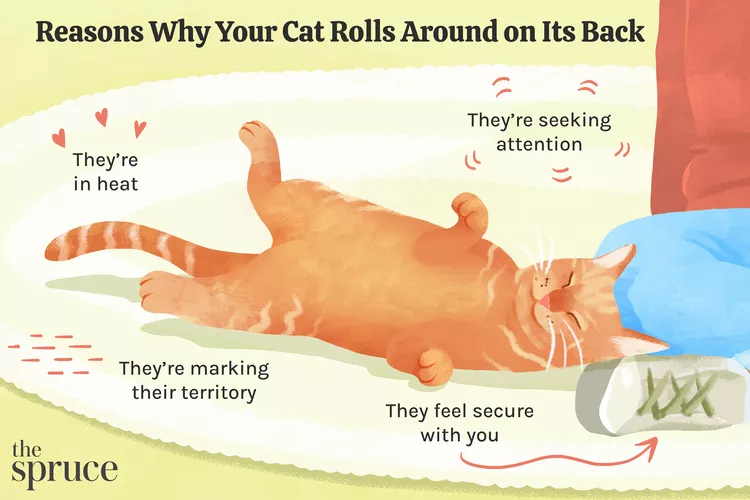
Why Your Cat Is Rolling Around on Its Back
When your cat rolls on its back, it could be telling you something. Rolling can signal the cat feels safe and might want some attention from you.
What Your Cat Is Saying With Its Eyes
Understand how cats communicate with their eyes, from arousal and trust to dominance and aggression.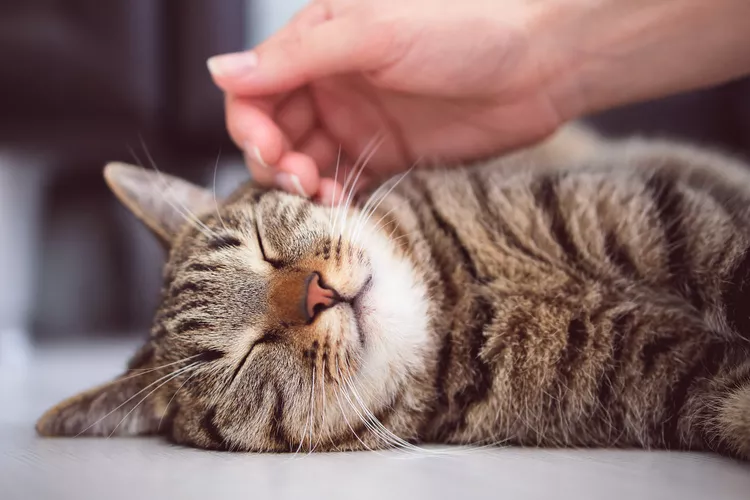
Why Cats Like Being Pet
Why do some cats enjoy being pet and others don't? Learn why certain cats want you to pet them while others just want to be left untouched.
100+ White Cat Names
White cat names can pay homage to their wintry fur, like Snowflake or Frosty, but can also be playful, such as Marshmallow, or elegant, like Pearl.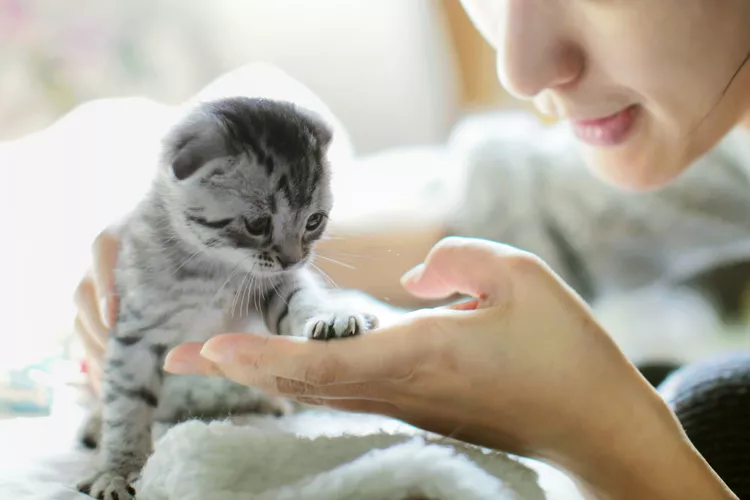
The First 30 Days With Your New Kitten
The first month is full of changes and excitement for a kitten in a new home. Find out what to expect and what you can do for your new feline friend.
What Is the Difference Between Cat Hair and Fur?
Is there a difference between cat hair and cat fur? Learn the correct terminology and about five different kinds of hair found on your feline.
Explore the Sources of Your Cat's Personality
What influences your cat's personality? Genetics, history, and environmental factors can contribute to your cat's mannerisms and moodiness.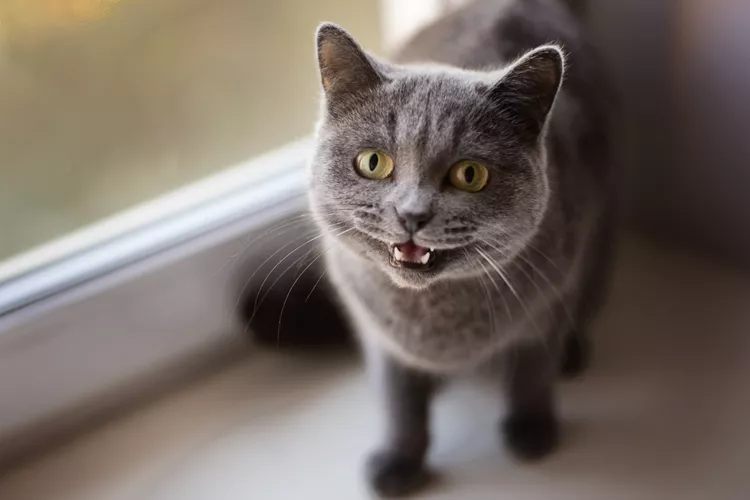
15 Best Movie-Inspired Cat Names
If you are bringing home a kitty and you are a big movie buff, then a cinematic cat name might be right up your alley for your new feline friend.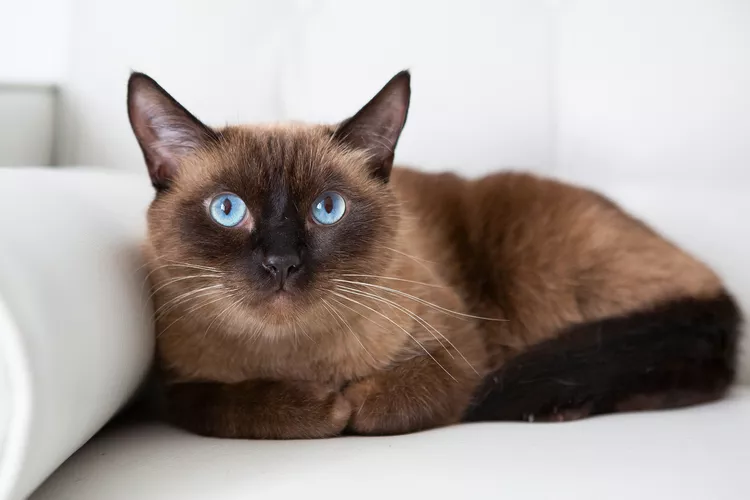
10 Most Intelligent Cat Breeds
Looking for a smart cat? Learn about the pros and cons of 10 intelligent cat breeds, including Burmese and Siamese, to decide if one is right for you.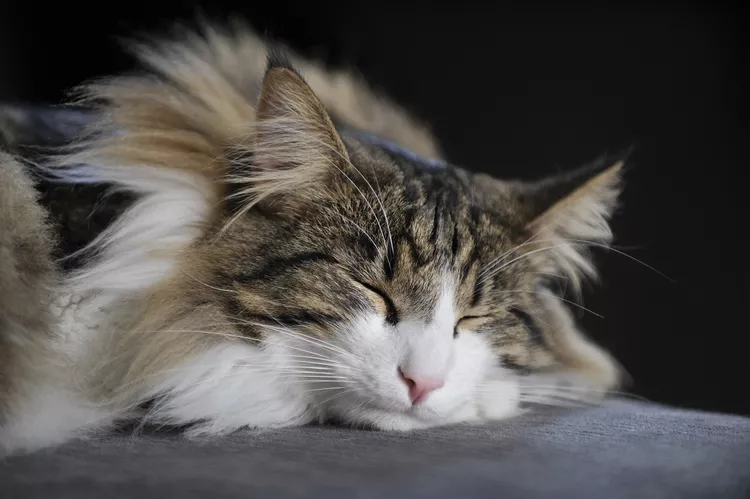
8 Cute Pictures of Norwegian Forest Cats
Learn about the history of Norwegian forest cats, and check out cute pictures of Norway's national cat.
12 Fluffy Cat Breeds Perfect for Endless Cuddles
If you like long-haired cats and don't mind daily (or almost daily) brushing, you’ll love these fluffy cat breeds.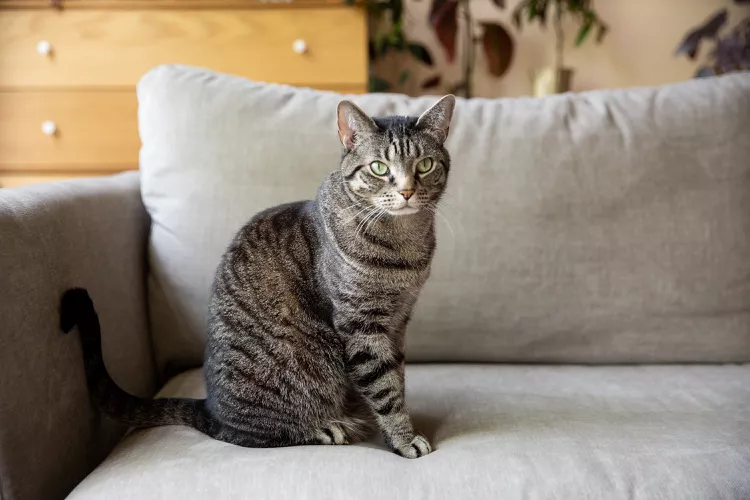
Feline Breeds, Domestic Shorthair Cats, and Color Patterns
Cat lovers often are confused about identifying terms, such as purebred, DSH, and tabby. Learn more about the differences between these terms.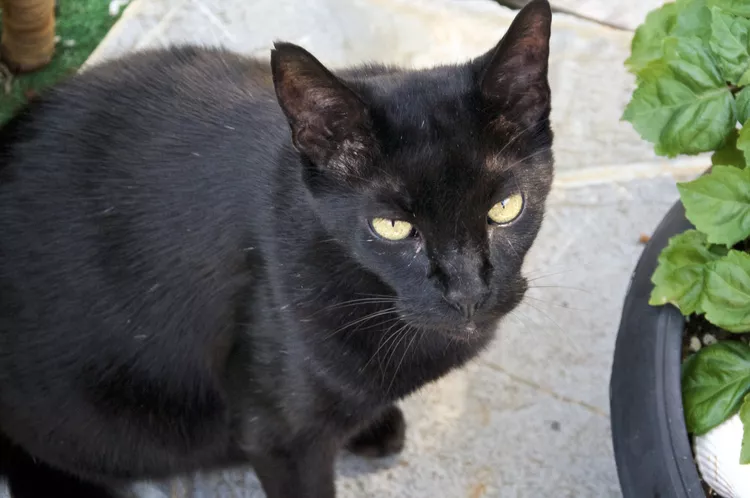
Havana Brown: Cat Breed Profile
The Havana Brown is a beautiful and rare cat breed with an interesting background.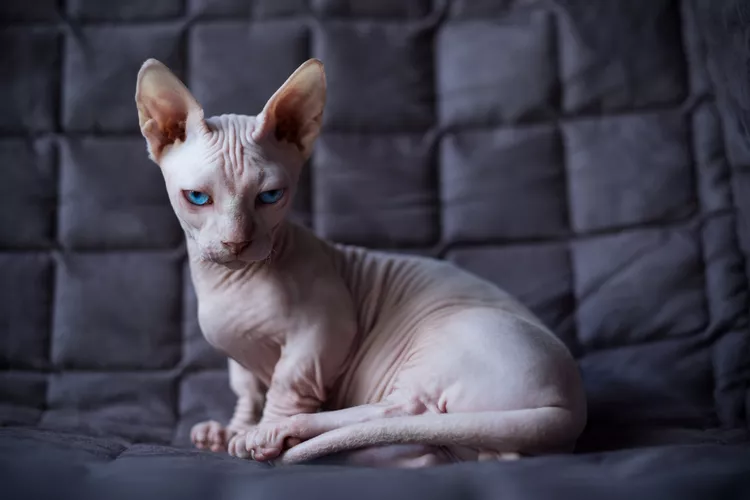
Bambino: Cat Breed Profile, Characteristics & Care
The bambino cat is a controversial cross between a hairless sphynx and the short-legged munchkin. Learn about the bambino breed.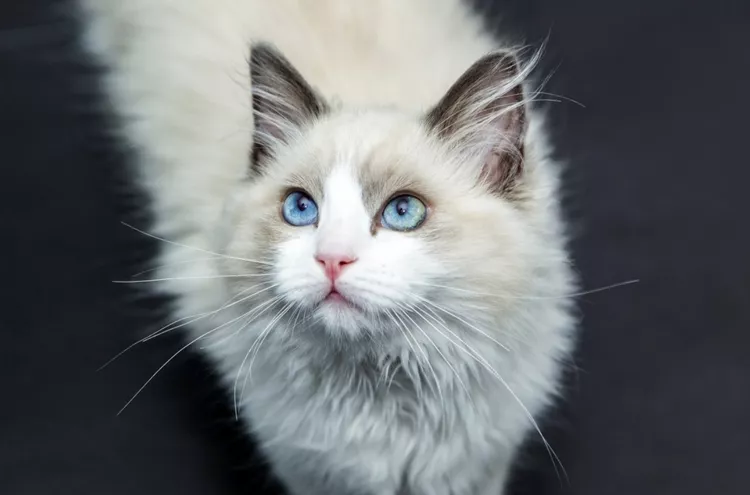
11 Cute Pictures of Ragdoll Cats
Ragdoll cats are known for their beautiful coats and bright, blue eyes. Learn all about the breed, and check out some cute pictures here.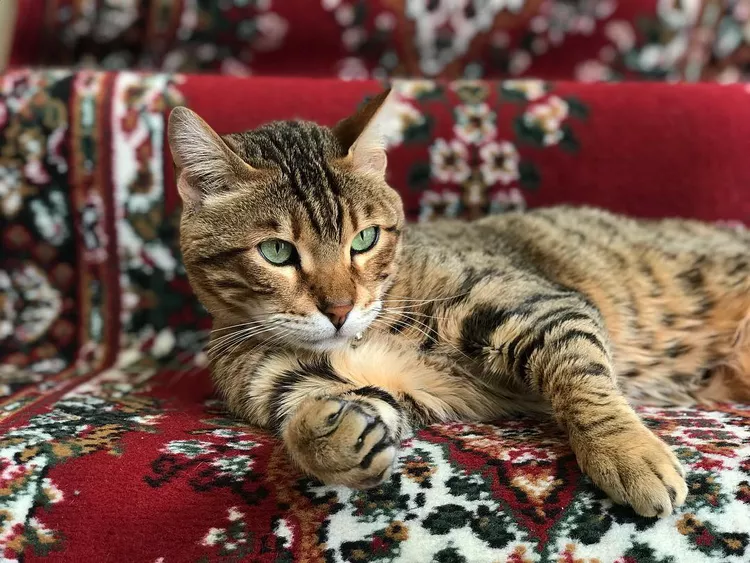
Pictures and Facts About Bengal Cats and Kittens
Bengal cats are a cross between wild cats and domestic cats. Learn more about what they look like and pictures of this beautiful spotted breed.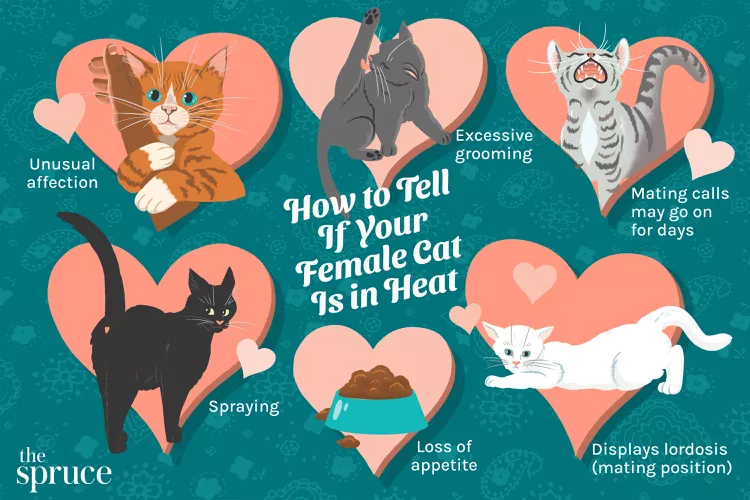
Signs of Heat in Cats
A cat in heat will show several physical and behavioral signs. Here's how to tell if your cat is in heat and how to care for her during this time. Learn the signs and how to prevent pregnancy, even if her cycle has begun.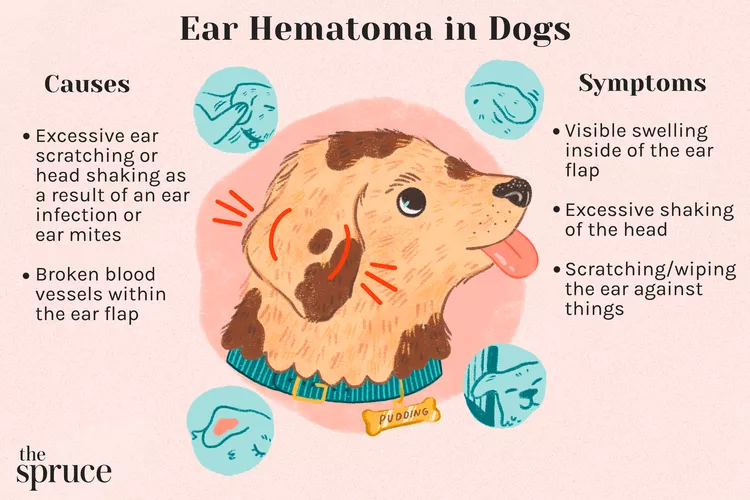
Why Is My Dog’s Ear Swollen? Causes and Treatment of Ear Hematoma
If your dog’s ear is swollen, it could indicate an ear hematoma. Learn the primary causes and treatments for ear hematomas in dogs straight from a veterinarian.
Are Snake Plants Toxic to Cats?
Snake plants can be toxic to cats, depending on the amount of plant ingested and other factors. If you suspect your cat has ingested any amount of a snake plant, seek veterinary attention immediately to prevent serious complications.