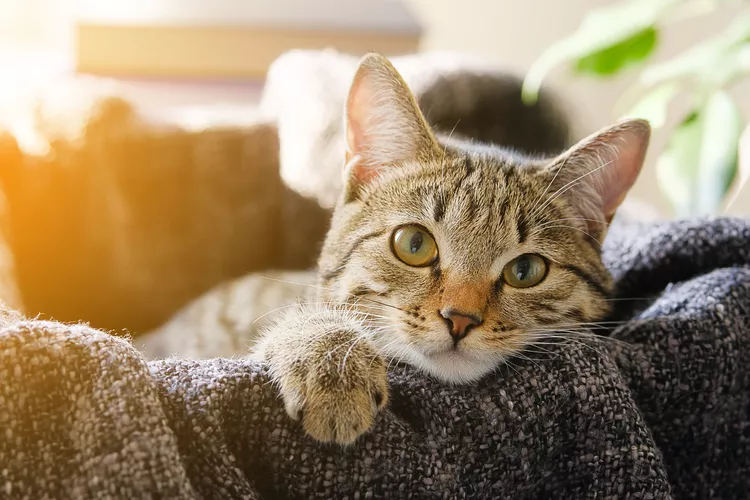
House soiling, or eliminating outside of the litter box, is one of the most common issues for cat parents. It is estimated that about 10% of pet cats struggle with this behavior. However, house soiling can either be a behavior in which a cat is truly peeing outside of the litter box or it can be urine spraying, sometimes also called urine marking.
On the surface, spraying seems similar to urinating outside the box. There are a few things that differentiate urine spraying behavior, though. Typically cats that exhibit this behavior will spray urine on vertical surfaces, not horizontal, as in house soiling. The urine sprayed onto the surface will often be more potent and noxious smelling than when a cat relieves themselves the litter box. Cats that spray also will usually not completely void their bladder when they spray, so the amount of urine will be less than if they were truly house soiling.
Cats that are spraying will still use the litter box to empty their bladder. Cats struggling with accidents outside the litter box will more often urinate solely outside the box, so you may not find urine clumps in the box if your cat is truly house soiling. All of that being said, research has shown that feline lower urinary tract infections can be associated with the development of spraying, so a cat with a history of feline lower urinary tract disease (FLUTD) may be more likely to develop spraying behavior.
Although it’s deemed a nuisance behavior (and rightfully so—who wants a home that smells like cat urine all the time?), it’s important to know that urine spraying is actually part of a cat’s normal behavior repertoire. Understanding why a cat would feel compelled to urine spray can help you mitigate this behavior in your own home.
Urine spraying is often a behavior rooted in communication. Cats will spray urine to communicate with other animals in or around the home. Cats are attempting to communicate with everyone, but the problem is other animals (including humans) don't communicate the same way, so it can be frustrating, for both sides, when the signals are not acknowledged or changes aren't made.
Intact, that is, not neutered, male cats that are sexually mature will often spray to let intact female cats know about their presence. Although this is a cause for urine spraying, not all cats that spray are intact males. Studies have shown that 10% of neutered male cats and 5% of spayed female cats will exhibit this behavior. This leads to the assumption that urine spraying is not just used to attract a potential mate.
The other common reason for a cat to spray is to mark their territory. Cats have pheromone scent glands in their paws and cheeks, which is a driving factor for bunting behavior, but they also have anal scent glands. This is why urine that’s sprayed rather than emptied in the litter box will oftentimes have a stronger smell to it. Cats use it as a way to let other animals know "this is my space, so keep moving."
Determining why your cat is urine spraying will determine what needs to be done to encourage your cat to stop.
This is self explanatory. If your intact male cat is spraying to attract a mate, neutering them can help deter them from the behavior. Neutering can also drop testosterone levels, making cats less territorial. In that regard, it can also help lower a cat’s desire to mark their territory with urine spraying.
Diffusers such as the Feliway diffuser utilize the same pheromones in a cat’s scent glands to help make a cat more comfortable in their environment and less apt to urine spray. The pheromones in the diffuser are undetectable by us, but can be easily smelled by cats. A cat that already smells the scent pheromones in the air will be less inclined to spray as a way to mark territory.
This sounds like a fancy term, but the concept is super simple. The goal is to adjust your cat's environment to decrease stress that can accumulate due to several factors. Cats like their own space and they like the ability to move freely without encountering other animals or obstacles. They like free access to things like litter boxes, perches, food and water bowls, and their humans.
To help decrease the need for a cat to mark, try increasing the amount of vertical surfaces with cat shelves, increasing resources (food bowls, water bowls, and litter boxes), and addressing any chronic pain or stress. If your cat marks around windows or doors, it may be upset about a cat or other animal coming close to the house. If this describes your cat, try to prevent visual access to outdoor animals with curtains, blinds, or other objects.
One critical step in stopping your cat from spraying is to use a urine detector to fine stains and thoroughly clean all areas that have been previously marked. This should be done as soon as possible to prevent the pheromones sprayed from soaking into the carpet, furniture, or other area. For carpets, an enzymatic cleaner is essential for breaking down the pheromone that will continue to attract your cat.
While spraying behavior in cats may be considered "normal" in their behavior repertoire, most cats won’t exhibit this behavior if they're in healthy, happy homes. If your cat is struggling with urine spraying, ask your veterinarian for more ways to help your cat.
How to Dispose of Cat Litter
Cleaning cat litter is a necessary chore for all cat owners, but what's the best way to dispose of it? Generally, flushing is not a safe option.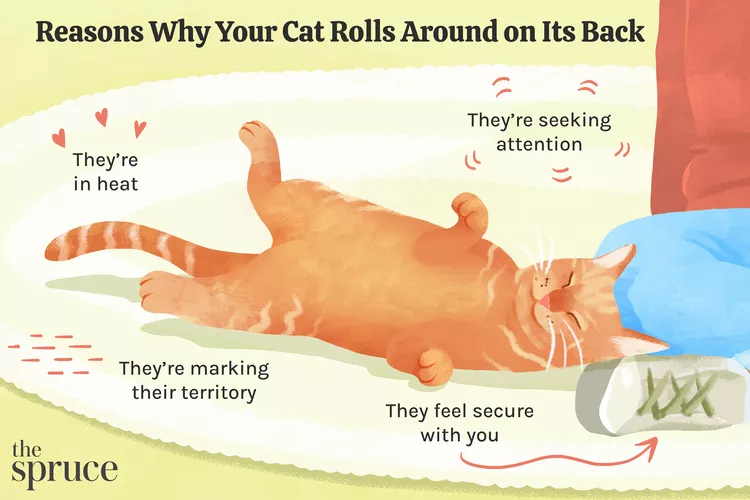
Why Your Cat Is Rolling Around on Its Back
When your cat rolls on its back, it could be telling you something. Rolling can signal the cat feels safe and might want some attention from you.
What Your Cat Is Saying With Its Eyes
Understand how cats communicate with their eyes, from arousal and trust to dominance and aggression.
Why Cats Like Being Pet
Why do some cats enjoy being pet and others don't? Learn why certain cats want you to pet them while others just want to be left untouched.
100+ White Cat Names
White cat names can pay homage to their wintry fur, like Snowflake or Frosty, but can also be playful, such as Marshmallow, or elegant, like Pearl.
The First 30 Days With Your New Kitten
The first month is full of changes and excitement for a kitten in a new home. Find out what to expect and what you can do for your new feline friend.
What Is the Difference Between Cat Hair and Fur?
Is there a difference between cat hair and cat fur? Learn the correct terminology and about five different kinds of hair found on your feline.
Explore the Sources of Your Cat's Personality
What influences your cat's personality? Genetics, history, and environmental factors can contribute to your cat's mannerisms and moodiness.
15 Best Movie-Inspired Cat Names
If you are bringing home a kitty and you are a big movie buff, then a cinematic cat name might be right up your alley for your new feline friend.
10 Most Intelligent Cat Breeds
Looking for a smart cat? Learn about the pros and cons of 10 intelligent cat breeds, including Burmese and Siamese, to decide if one is right for you.
8 Cute Pictures of Norwegian Forest Cats
Learn about the history of Norwegian forest cats, and check out cute pictures of Norway's national cat.
12 Fluffy Cat Breeds Perfect for Endless Cuddles
If you like long-haired cats and don't mind daily (or almost daily) brushing, you’ll love these fluffy cat breeds.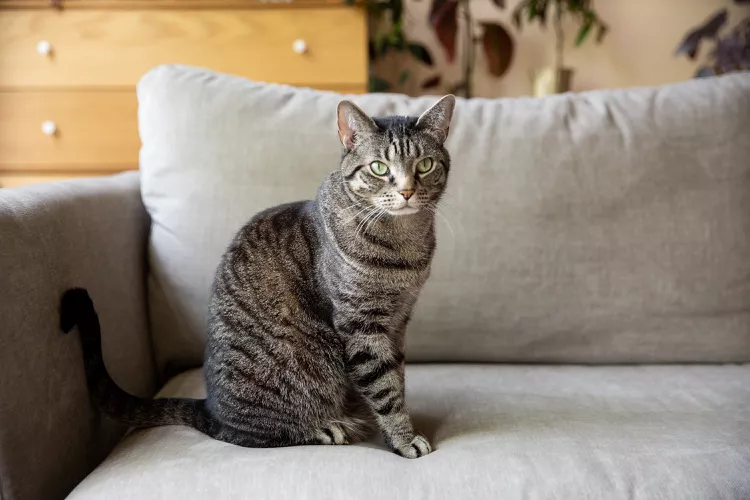
Feline Breeds, Domestic Shorthair Cats, and Color Patterns
Cat lovers often are confused about identifying terms, such as purebred, DSH, and tabby. Learn more about the differences between these terms.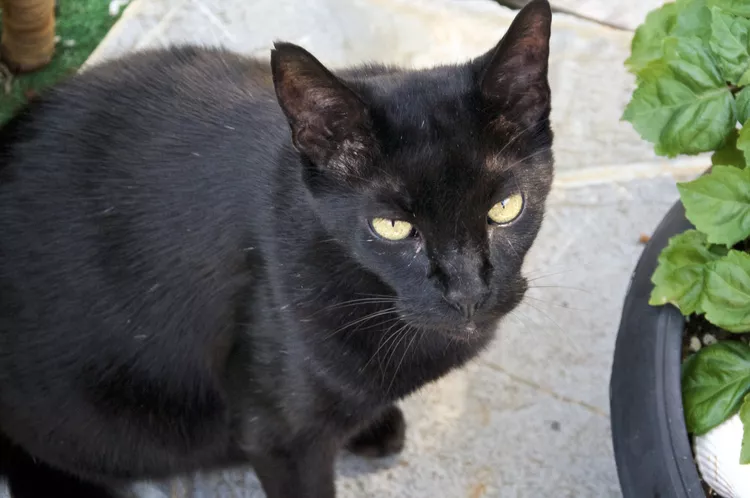
Havana Brown: Cat Breed Profile
The Havana Brown is a beautiful and rare cat breed with an interesting background.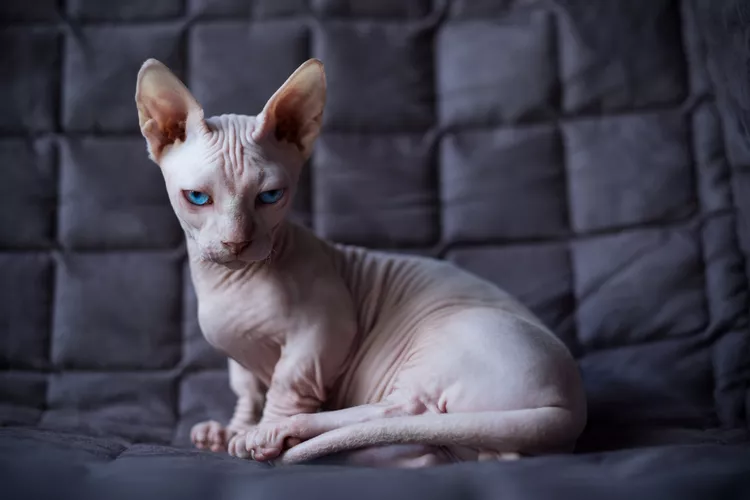
Bambino: Cat Breed Profile, Characteristics & Care
The bambino cat is a controversial cross between a hairless sphynx and the short-legged munchkin. Learn about the bambino breed.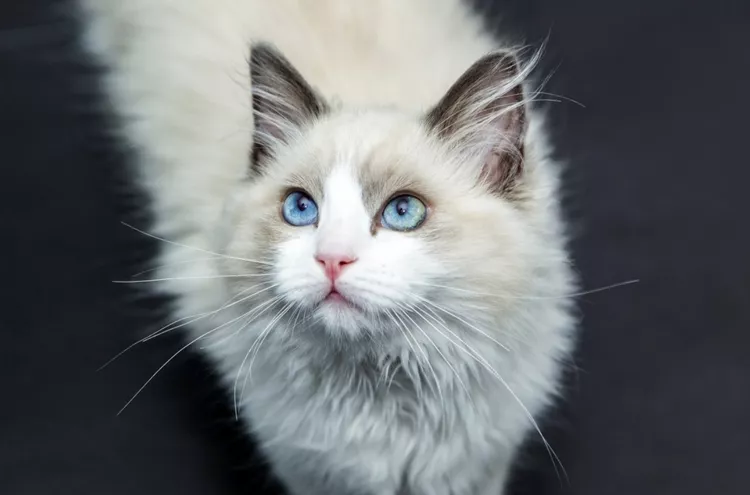
11 Cute Pictures of Ragdoll Cats
Ragdoll cats are known for their beautiful coats and bright, blue eyes. Learn all about the breed, and check out some cute pictures here.
Pictures and Facts About Bengal Cats and Kittens
Bengal cats are a cross between wild cats and domestic cats. Learn more about what they look like and pictures of this beautiful spotted breed.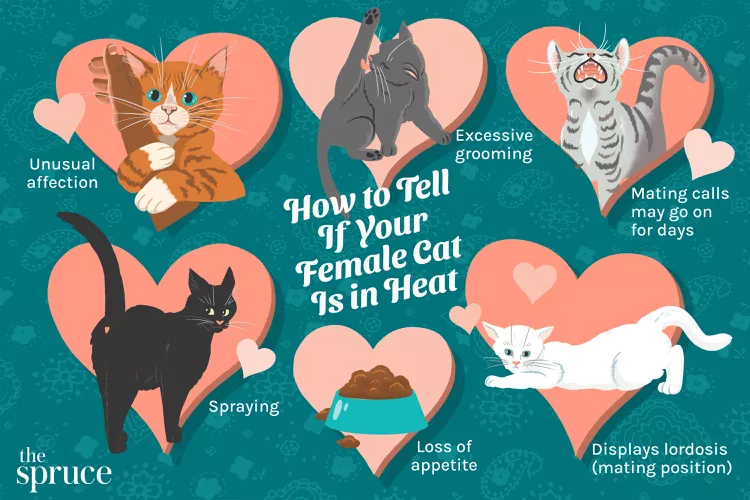
Signs of Heat in Cats
A cat in heat will show several physical and behavioral signs. Here's how to tell if your cat is in heat and how to care for her during this time. Learn the signs and how to prevent pregnancy, even if her cycle has begun.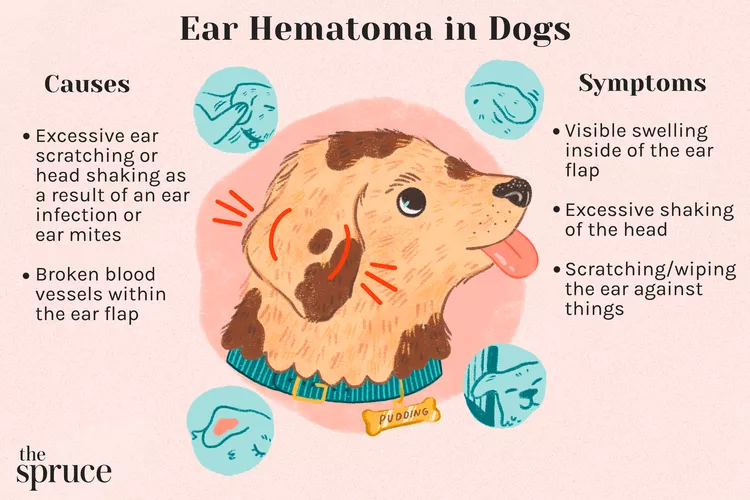
Why Is My Dog’s Ear Swollen? Causes and Treatment of Ear Hematoma
If your dog’s ear is swollen, it could indicate an ear hematoma. Learn the primary causes and treatments for ear hematomas in dogs straight from a veterinarian.
Are Snake Plants Toxic to Cats?
Snake plants can be toxic to cats, depending on the amount of plant ingested and other factors. If you suspect your cat has ingested any amount of a snake plant, seek veterinary attention immediately to prevent serious complications.