Cats and many other mammals have special glands called anal glands or sacs located around their rectum. These glands typically go unnoticed until a cat owner smells the secretions from the glands or there is an issue with them. Knowing the purpose of these glands, as well as the potential issues that they can develop, will help you keep your cat happy and healthy.
Both male and female cats have two pea-sized anal glands located around their rectal openings. From the outside, two very small holes on either side of the anal opening may be seen. If the rectal opening was the face of a clock, each anal gland would sit at about five o'clock and seven o'clock around the rectum.
These tiny, visible openings lead to the small, balloon-like anal sacs that are under the skin of a cat. These sacs naturally fill with a foul-smelling fluid that is naturally expressed when a cat defecates. The fluid in the glands is typically a liquid but it can thicken and become gritty, or even chunky, if it is stored for too long in the sacs or there is an underlying issue.
Anal glands serve a specific purpose by helping a cat mark its territory. In the wild, cats mark their territory in several different ways, and secreting anal gland fluid is just one way to communicate their presence to other animals.
As a cat defecates, stool naturally pushes against the internal portion of the balloon-like anal gland, which causes it to be squeezed and secrete the anal gland fluid out with the feces. A cat can also manually express their anal glands of frightened, much like a skunk. This is often seen when a stressed cat needs to visit the veterinarian or groomer. The anal gland liquid may spray or just drip out resulting in a foul odor.
Cats may show certain signs of anal gland issues:
Cats that have an uncomfortable hind end due to anal gland issues are likely to scoot or drag their hind end on the ground. This may be an attempt to relieve the pressure and discomfort that a cat is experiencing from having full anal sacs. You may smell an odor or see fluid after your cat does this. Obsessive licking at the rectal opening and crying when defecating are also signs that there may be a problem with the glands. Finally, if you see blood in your cat's feces or on the carpet after your cat scoots its hind end, this could be a sign of an anal gland issue as well.
While most cats do not need help expressing their anal glands, they occasionally need a little help. Manual anal gland expression is not a pleasant experience for the person or the cat, but it can be necessary if they don't drain when a cat defecates.
If the anal glands are not expressed naturally or manually, your cat may experience discomfort, infection, impaction, and potentially even painful anal gland rupture. Cat anal glands may not express on their own for several reasons.
When internal anal gland tissues and/or the duct that normally allows the fluid to empty becomes inflamed. it can become difficult or impossible for the secretions to exit the body.
The fluid in the anal sacs can harbor bacteria if not regularly emptied. Bacteria will then reproduce and cause an infection which will consequently make the anal gland secretions thickened, bloody, and often unable to exit the gland through the small duct.
If a growth or tumor is present in or around the anal gland it may be blocking the anal gland duct, trapping the fluid inside.
If a cat is not regularly expressing the anal sacs on their own, they may need more fiber in its diet. This will help to add bulk and firmness to the stool so more pressure gets applied to the anal glands as stool exits the body.
Some cats are so overweight that the anal glands are unable to be naturally expressed due to the excess fatty tissue and anatomy of the obese cat. Weight loss is the best course of action for overweight cats who are having issues with their anal glands.
Treatment for cat anal gland problems will depend on the nature of the issue and its severity. In some cases, there's an underlying condition that must be addressed. The veterinarian will conduct a physical examination and attempt to manually express the anal glands. The appearance of the fluid can help your vet make a diagnosis and treatment plan.
Manual anal gland expression is easy to learn how to do, but many cats will not tolerate this at home. If your cat needs this and you want to try it at home, ask a veterinarian about restraint methods, distraction techniques, and exactly how to safely express a cat's anal glands.
Manual pressure is applied to the glands by inserting a finger into the rectum and firmly but gently squeezing the small, balloon-like gland on the edge of the rectal opening. This causes the anal gland secretions to come out.
Cat anal gland problems can't always be prevented, but you can take steps to reduce the chance of issues.
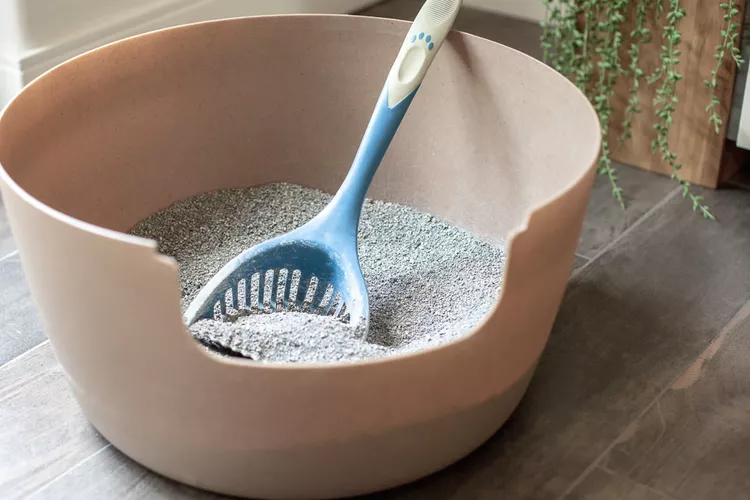
How to Dispose of Cat Litter
Cleaning cat litter is a necessary chore for all cat owners, but what's the best way to dispose of it? Generally, flushing is not a safe option.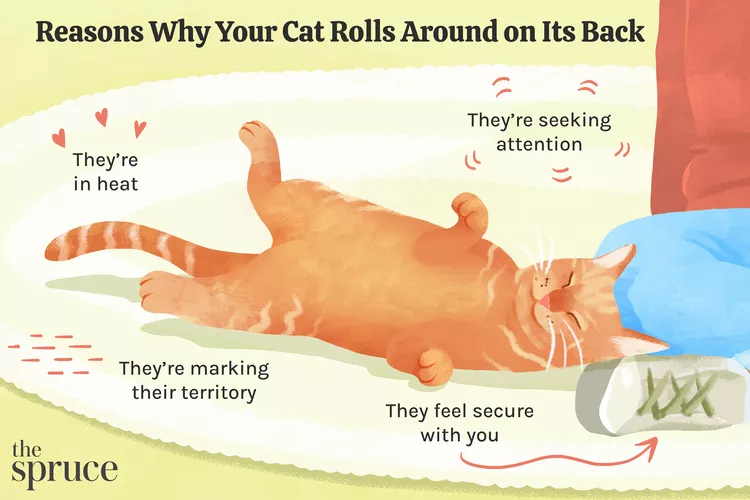
Why Your Cat Is Rolling Around on Its Back
When your cat rolls on its back, it could be telling you something. Rolling can signal the cat feels safe and might want some attention from you.
What Your Cat Is Saying With Its Eyes
Understand how cats communicate with their eyes, from arousal and trust to dominance and aggression.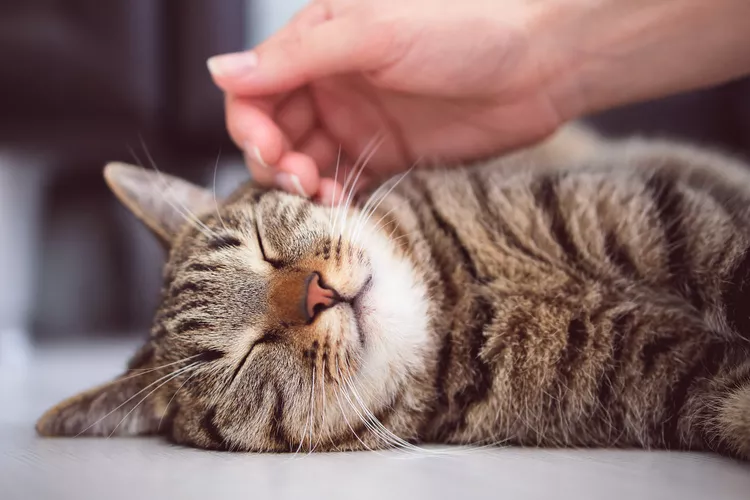
Why Cats Like Being Pet
Why do some cats enjoy being pet and others don't? Learn why certain cats want you to pet them while others just want to be left untouched.
100+ White Cat Names
White cat names can pay homage to their wintry fur, like Snowflake or Frosty, but can also be playful, such as Marshmallow, or elegant, like Pearl.
The First 30 Days With Your New Kitten
The first month is full of changes and excitement for a kitten in a new home. Find out what to expect and what you can do for your new feline friend.
What Is the Difference Between Cat Hair and Fur?
Is there a difference between cat hair and cat fur? Learn the correct terminology and about five different kinds of hair found on your feline.
Explore the Sources of Your Cat's Personality
What influences your cat's personality? Genetics, history, and environmental factors can contribute to your cat's mannerisms and moodiness.
15 Best Movie-Inspired Cat Names
If you are bringing home a kitty and you are a big movie buff, then a cinematic cat name might be right up your alley for your new feline friend.
10 Most Intelligent Cat Breeds
Looking for a smart cat? Learn about the pros and cons of 10 intelligent cat breeds, including Burmese and Siamese, to decide if one is right for you.
8 Cute Pictures of Norwegian Forest Cats
Learn about the history of Norwegian forest cats, and check out cute pictures of Norway's national cat.
12 Fluffy Cat Breeds Perfect for Endless Cuddles
If you like long-haired cats and don't mind daily (or almost daily) brushing, you’ll love these fluffy cat breeds.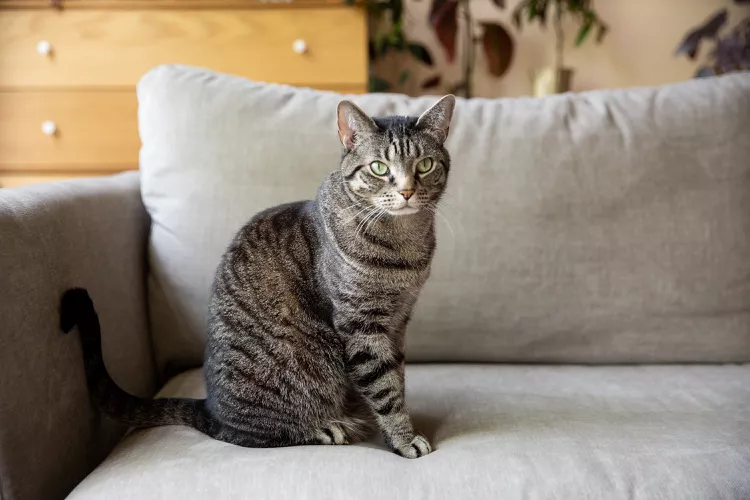
Feline Breeds, Domestic Shorthair Cats, and Color Patterns
Cat lovers often are confused about identifying terms, such as purebred, DSH, and tabby. Learn more about the differences between these terms.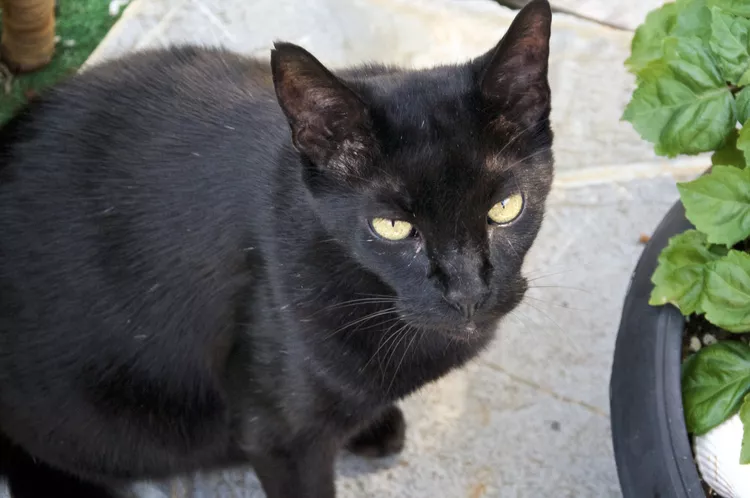
Havana Brown: Cat Breed Profile
The Havana Brown is a beautiful and rare cat breed with an interesting background.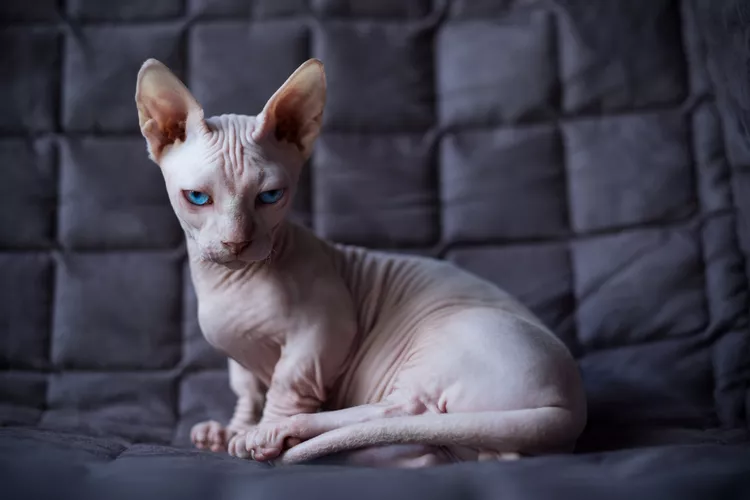
Bambino: Cat Breed Profile, Characteristics & Care
The bambino cat is a controversial cross between a hairless sphynx and the short-legged munchkin. Learn about the bambino breed.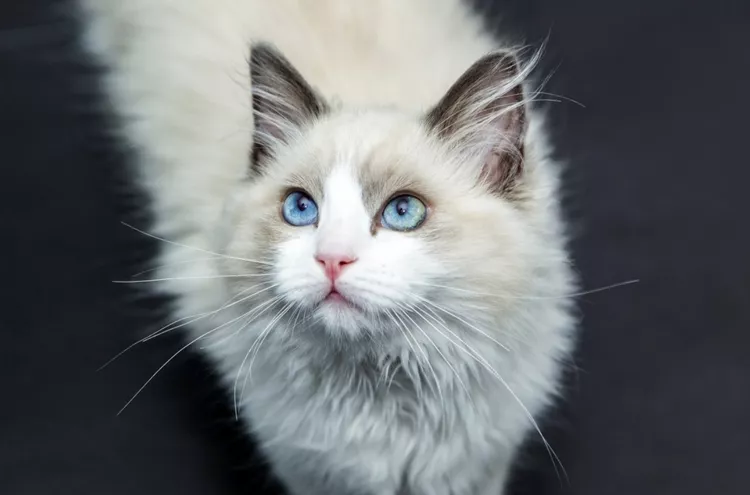
11 Cute Pictures of Ragdoll Cats
Ragdoll cats are known for their beautiful coats and bright, blue eyes. Learn all about the breed, and check out some cute pictures here.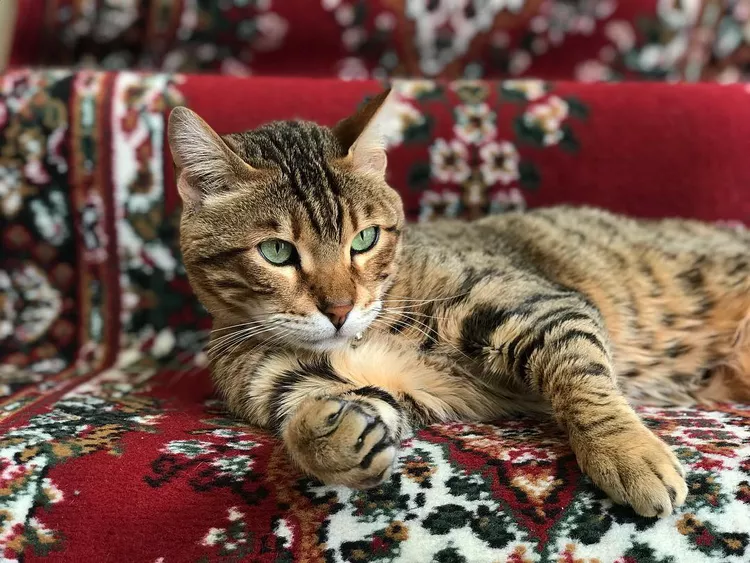
Pictures and Facts About Bengal Cats and Kittens
Bengal cats are a cross between wild cats and domestic cats. Learn more about what they look like and pictures of this beautiful spotted breed.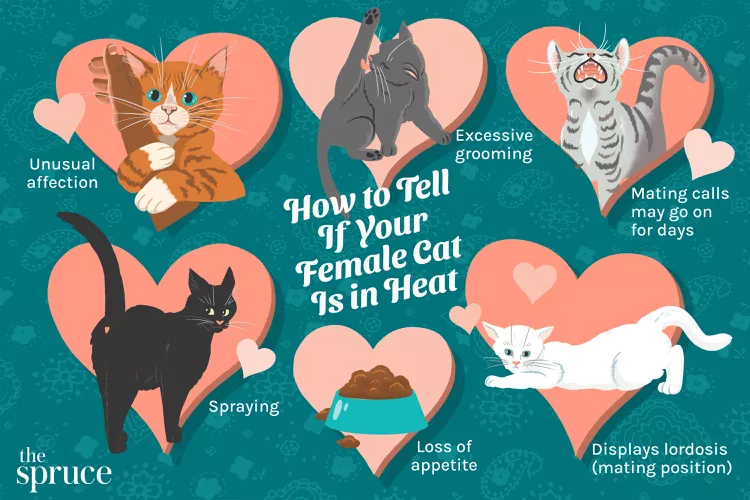
Signs of Heat in Cats
A cat in heat will show several physical and behavioral signs. Here's how to tell if your cat is in heat and how to care for her during this time. Learn the signs and how to prevent pregnancy, even if her cycle has begun.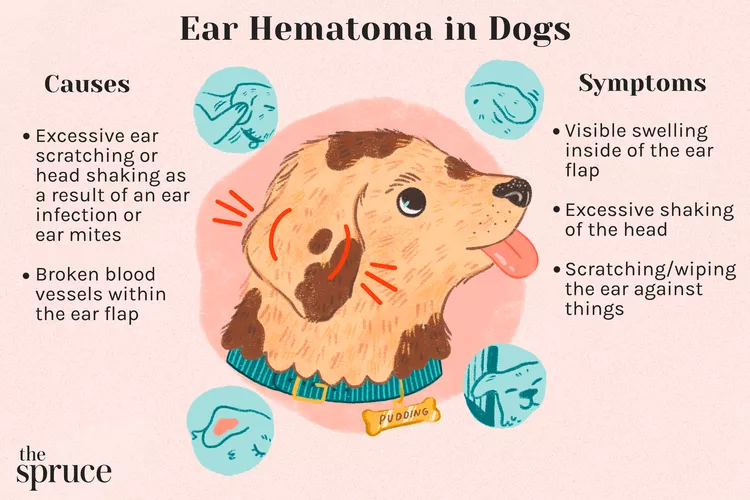
Why Is My Dog’s Ear Swollen? Causes and Treatment of Ear Hematoma
If your dog’s ear is swollen, it could indicate an ear hematoma. Learn the primary causes and treatments for ear hematomas in dogs straight from a veterinarian.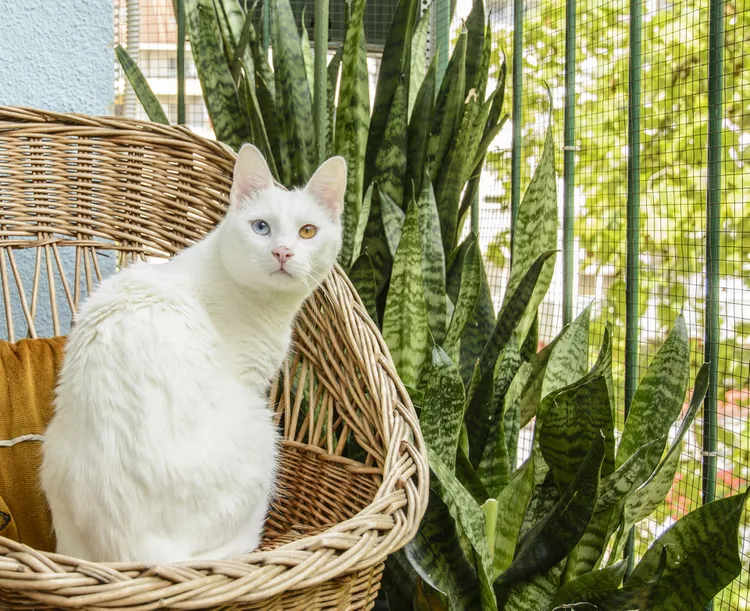
Are Snake Plants Toxic to Cats?
Snake plants can be toxic to cats, depending on the amount of plant ingested and other factors. If you suspect your cat has ingested any amount of a snake plant, seek veterinary attention immediately to prevent serious complications.