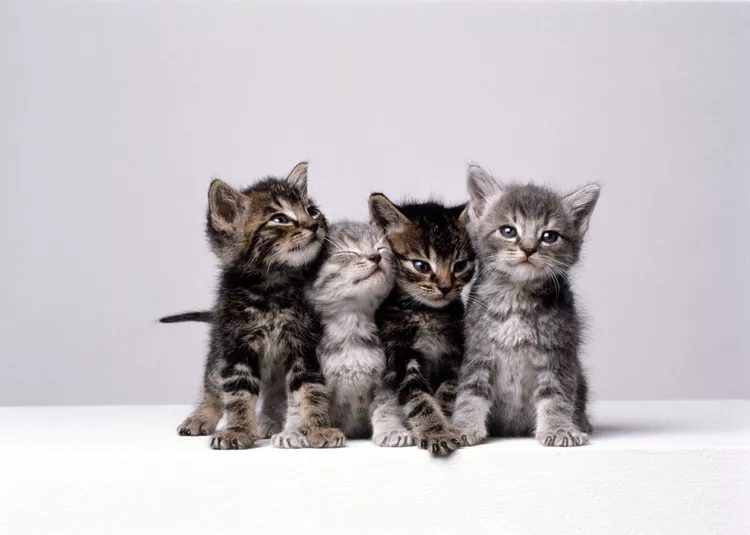
Spaying and neutering cats has become a vital and commonly performed procedure. It is vital in helping to control the pet population and it can even help to prevent unwanted behaviors as well as medical issues later in life. Here's how much can you expect to pay to spay or neuter your cat and why prices vary from one clinic to another.
Spaying is the surgical sterilization of female cats. In the United States, this involves removing both the ovaries as well as the uterus, termed an ovariohysterectomy. In Europe, it’s more common to just remove the ovaries, termed an ovariectomy. Neutering, or castration, is the surgical sterilization of male cats by removing the testicles.
Technically, the definition of the word "neuter" is the removal of the reproductive organs with no distinction of male versus female, but most lay people are referring to males for neutering.
The cost of spaying or neutering your cat can vary based on where you live. Areas with a higher cost of living can have, on average, higher costs of spaying or neutering. Additionally, the price can change as cost of living in your area changes. On average, you can expect to pay anywhere from $150 upwards of $300 or more.
Generally spaying is more expensive as that is a more involved surgical procedure. A spay procedure requires going into the abdominal cavity while neutering does not. Pre-anesthetic screenings, such as full bloodwork, can help your vet tailor your cat’s anesthetic plan to make it as safe as possible. Monitoring throughout the procedure can also ensure your cat’s safety. These steps factor into pricing, though, and a clinic that does all of these things may charge more than a clinic that doesn’t.
Oftentimes, if you adopt a cat or kitten from a local animal shelter, the shelter will coordinate spaying or neutering. Your cat or kitten will already be spayed or neutered when you adopt them or the shelter staff will set up a day for you to bring your cat back to be spayed or neutered. Animal shelters will oftentimes go through high volume, low cost spay and neuter clinics. Oftentimes these clinics will be low cost whether they get extra funding through donations, use donated equipment to minimize overhead, or they may do less extensive pre-anesthetic work ups and/or monitoring to keep costs down.
Spaying and neutering cats is something as commonplace as routine vaccinations. The cost can vary clinic to clinic and region to region. When asking about pricing, be sure to ask what that price includes.
Does it include pre-anesthetic bloodwork? What about pain medicine to go home? What is monitored during the procedure? Who is the person actually monitoring and running the anesthesia? Is it a credentialed veterinary technician or is it a veterinary assistant/non-credentialed staff member that received on-the-job training?
These are all things that can factor into costs. So if one hospital charges far less than another, ask these questions to determine why the cost is so different.
There are many benefits to spaying your cat. The average, unspayed cat can have up to three litters of kittens in one year, with an average of 4 kittens per litter. This includes a cat’s first year of life. So the number of cats being born each year can increase exponentially. Spaying your cat can help control the cat population.
Spaying cats can also have medical benefits. In the United States, an ovariohysterectomy that removes the uterus helps to prevent a life-threatening condition called a pyometra. This is a uterine
infection where the uterus fills with pus. If a uterine stump is left behind, a stump pyometra is a possibility, but generally speaking, a spayed cat won’t be at risk of pyometra.
Spaying cats can also lower the risk of your cat developing mammary cancer later in life. Intact cats are up to 86 percent more likely to develop mammary cancer as compared to cats that are spayed by 1 year of age. Spaying cats early in life can reduce their risk of mammary cancer even more. Cats spayed under 6 months of age have an 91 percent reduction in risk of developing mammary cancer.
Additionally, an intact female cat can become overly vocal and affectionate when in heat. The loud yowling and clingy behavior may be a nuisance to some owners. Spaying prevents your cat going in to heat and, thus, prevents this behavior.
As with spaying, there’s numerous benefits to neutering your cat. While a female cat can only have so many litters in one year, a male cat can conceivably sire even more litters in a year. Neutering can further control the pet population. Cats are still euthanized every single year in high numbers because there are not enough homes for them, and those that are feral often die early and/or present serious problems for wildlife populations.
Since neutering involves the removal of the testes, neutering can completely remove your cat’s risk of testicular cancer later in life.
Adult male cats can be very territorial. They will routinely spray, or urine mark, to mark their territory. Urine marking is different than just urinating. An intact male cat will urine mark on vertical surfaces, nose height for any other roaming male cat to easily sniff out. Neutering can decrease the behavior of urine marking by up to 85 percent. Neutering can also make your cat’s urine less noxious and pungent.
Intact male cats also tend to more aggressively defend their territory. By neutering your cat you can not only minimize their desire to roam but also to fight with other cats. This can be vital in helping to stop the spread of diseases that are transmitted through saliva and bite wounds, such as FIV.

How to Dispose of Cat Litter
Cleaning cat litter is a necessary chore for all cat owners, but what's the best way to dispose of it? Generally, flushing is not a safe option.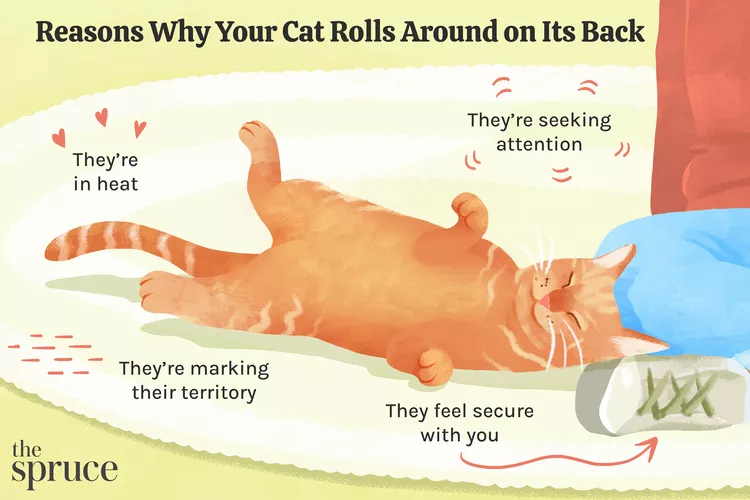
Why Your Cat Is Rolling Around on Its Back
When your cat rolls on its back, it could be telling you something. Rolling can signal the cat feels safe and might want some attention from you.
What Your Cat Is Saying With Its Eyes
Understand how cats communicate with their eyes, from arousal and trust to dominance and aggression.
Why Cats Like Being Pet
Why do some cats enjoy being pet and others don't? Learn why certain cats want you to pet them while others just want to be left untouched.
100+ White Cat Names
White cat names can pay homage to their wintry fur, like Snowflake or Frosty, but can also be playful, such as Marshmallow, or elegant, like Pearl.
The First 30 Days With Your New Kitten
The first month is full of changes and excitement for a kitten in a new home. Find out what to expect and what you can do for your new feline friend.
What Is the Difference Between Cat Hair and Fur?
Is there a difference between cat hair and cat fur? Learn the correct terminology and about five different kinds of hair found on your feline.
Explore the Sources of Your Cat's Personality
What influences your cat's personality? Genetics, history, and environmental factors can contribute to your cat's mannerisms and moodiness.
15 Best Movie-Inspired Cat Names
If you are bringing home a kitty and you are a big movie buff, then a cinematic cat name might be right up your alley for your new feline friend.
10 Most Intelligent Cat Breeds
Looking for a smart cat? Learn about the pros and cons of 10 intelligent cat breeds, including Burmese and Siamese, to decide if one is right for you.
8 Cute Pictures of Norwegian Forest Cats
Learn about the history of Norwegian forest cats, and check out cute pictures of Norway's national cat.
12 Fluffy Cat Breeds Perfect for Endless Cuddles
If you like long-haired cats and don't mind daily (or almost daily) brushing, you’ll love these fluffy cat breeds.
Feline Breeds, Domestic Shorthair Cats, and Color Patterns
Cat lovers often are confused about identifying terms, such as purebred, DSH, and tabby. Learn more about the differences between these terms.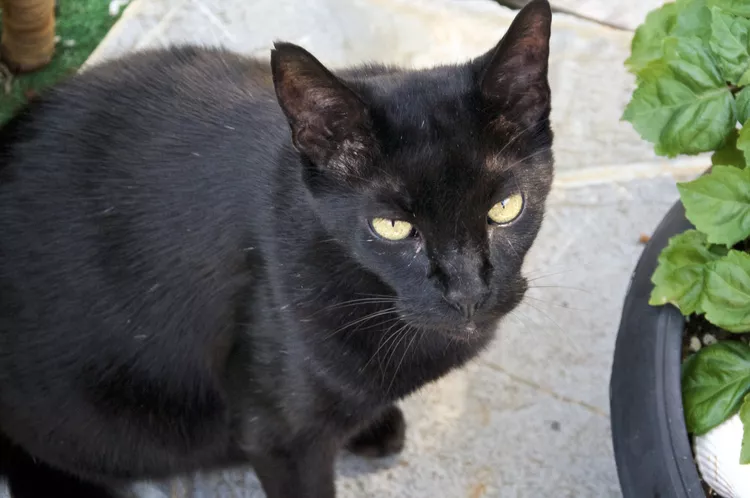
Havana Brown: Cat Breed Profile
The Havana Brown is a beautiful and rare cat breed with an interesting background.
Bambino: Cat Breed Profile, Characteristics & Care
The bambino cat is a controversial cross between a hairless sphynx and the short-legged munchkin. Learn about the bambino breed.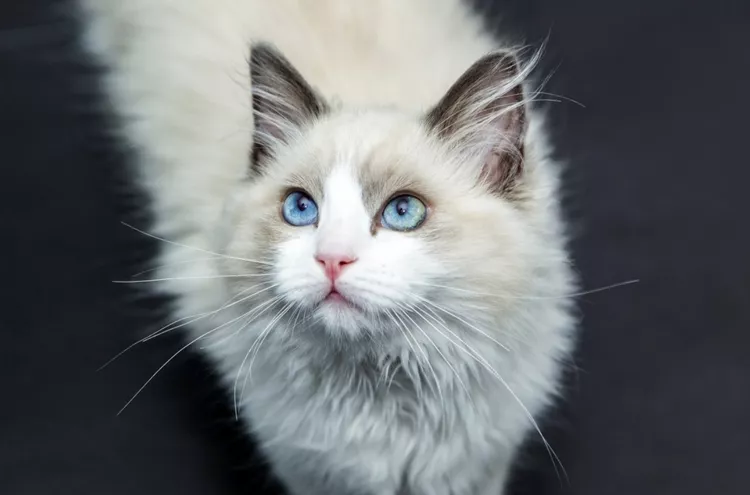
11 Cute Pictures of Ragdoll Cats
Ragdoll cats are known for their beautiful coats and bright, blue eyes. Learn all about the breed, and check out some cute pictures here.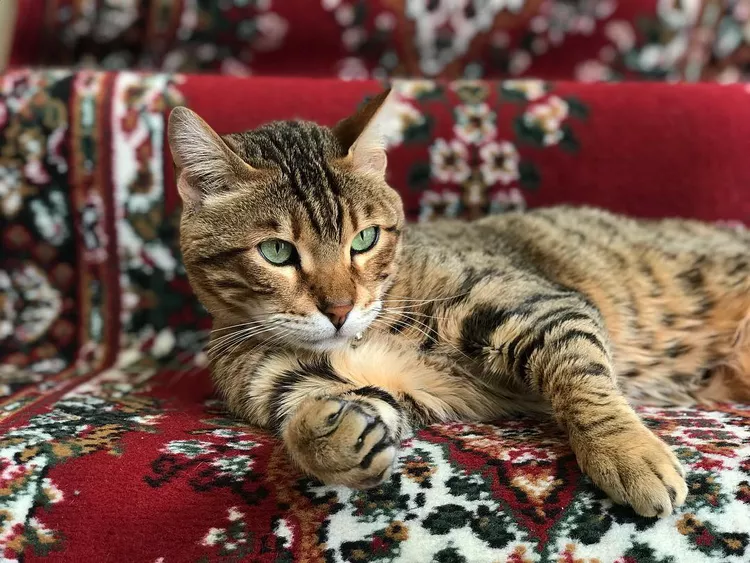
Pictures and Facts About Bengal Cats and Kittens
Bengal cats are a cross between wild cats and domestic cats. Learn more about what they look like and pictures of this beautiful spotted breed.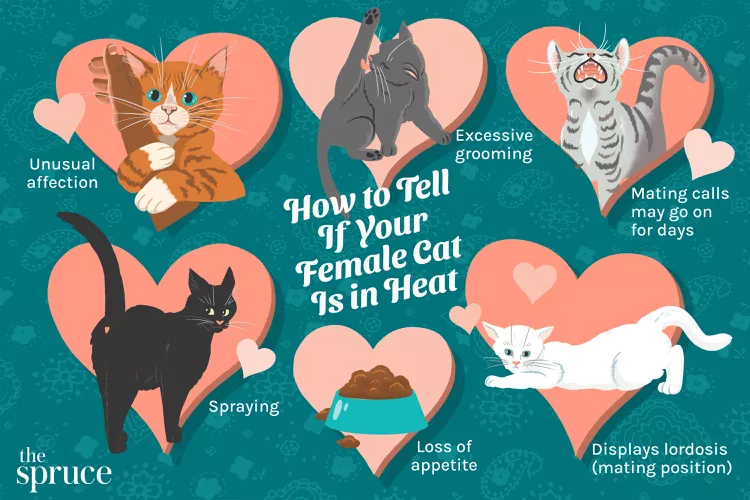
Signs of Heat in Cats
A cat in heat will show several physical and behavioral signs. Here's how to tell if your cat is in heat and how to care for her during this time. Learn the signs and how to prevent pregnancy, even if her cycle has begun.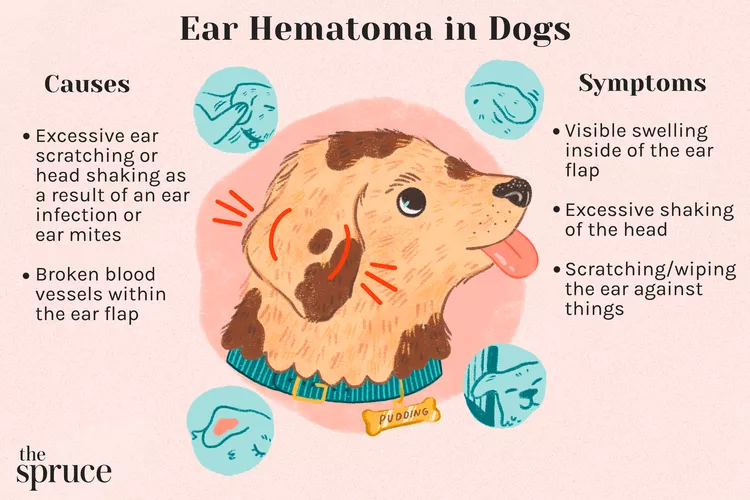
Why Is My Dog’s Ear Swollen? Causes and Treatment of Ear Hematoma
If your dog’s ear is swollen, it could indicate an ear hematoma. Learn the primary causes and treatments for ear hematomas in dogs straight from a veterinarian.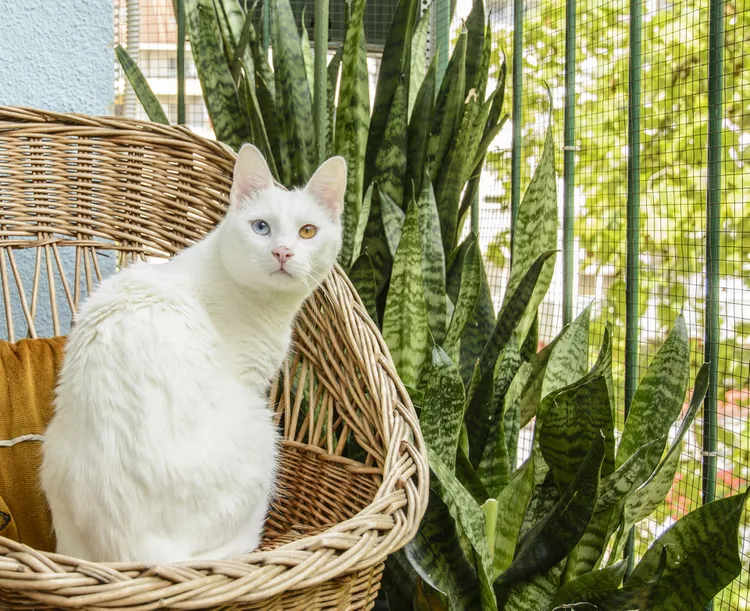
Are Snake Plants Toxic to Cats?
Snake plants can be toxic to cats, depending on the amount of plant ingested and other factors. If you suspect your cat has ingested any amount of a snake plant, seek veterinary attention immediately to prevent serious complications.