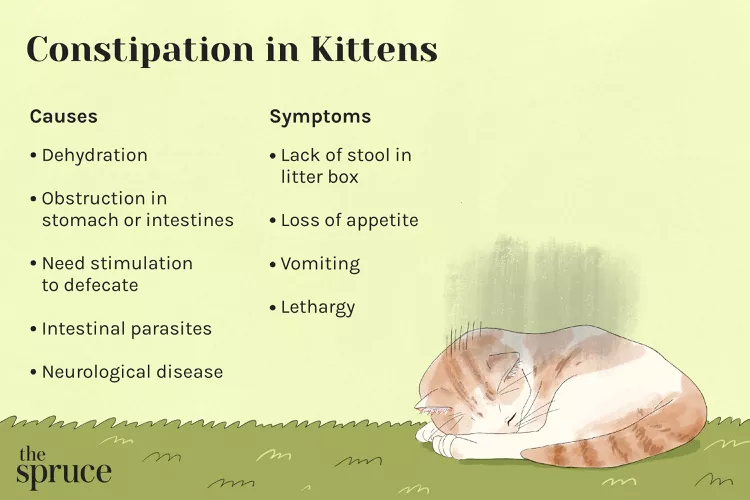
Kitten constipation may occur for several reasons. Kittens who cannot defecate are not only uncomfortable but are also at risk for serious problems if not treated. If your kitten is litter-trained, you may not even notice constipation until you realize you haven't seen any stool for a few days. Here's how to tell if your kitten is constipated and what to do about it.
The most common sign of kitten constipation is a lack of stool in the litter box. A constipated kitten may also show the following signs:
Kittens typically defecate at least once daily, but it's not unusual for them to occasionally skip a day. At first, a lack of feces in the litter box may not raise any red flags. But if your kitten has not produced any stool in two or more days, you should start monitoring for constipation (difficulty defecating) or obstipation (not producing any feces).
A constipated kitten may repeatedly visit the litter box, straining to pass stool and even crying out. Kittens may pass small, hard pieces of feces, which may be accompanied by stool-colored liquid, blood, and/or mucus. Pay attention to what you see in the litter box each day so you'll be able to tell if it looks abnormal.
Contact your veterinarian if you think your kitten may be constipated or if they're showing any signs of illness.
Kitten constipation may have several contributing causes.
Dehydration is a common cause of constipation in animals. This usually happens if a kitten does not have access to a water bowl and it only eats dry food, or during the weaning process when it's transitioning off of its mother's milk. The stools that it passes—if any are produced at all—will be small and very hard.
Kittens may eat non-food items that can block the stomachs or intestines, making them unable to defecate. This is common with curious kittens that eat things like strings, ribbons, floss, hair ties, and other household items that are small enough to fit in their mouths. The item may prevent food from passing or bind up the intestines so that the GI tract is unable to move things through the kitten's body. Hairballs can also cause a kitten to be unable to defecate.
Heavy intestinal parasite burdens can cause a kitten to become constipated. The worms may become so numerous in the intestines that they cause a blockage, keeping stool from passing.
Very young kittens that are not yet weaned need to be stimulated to defecate. Mother cats usually do this by licking the rectum of their kittens. If the mother cat fails to do this, a kitten is likely to get constipated unless a human is regularly wiping the kitten's rectum to stimulate it to pass stool. Young kittens may also become constipated when they are weaned and transitioned to solid food.
A kitten can be born with a birth defect or condition that prevents normal defecation. Neurological conditions and various other diseases may cause a kitten to be constipated or obstipated, but these are more common in older cats,
Your veterinarian will begin by discussing your kitten's history and performing a physical examination, which includes feeling the abdomen for impacted stool. The vet may recommend X-rays of the abdomen to visualize the intestines and definitively diagnose constipation or obstipation.
If your kitten's constipation has just begun and they're still eating, playing, and acting normally, you can try a few things before seeking veterinary assistance.
If you don't see stool in the litter box within a day, or if your kitten isn't active and eating, bring them to the veterinarian. They may need to do an enema to help your kitten poop on their own. In cases of severe constipation, the vet may need to sedate your kitten and manually remove the stool. Fluid therapy may also be necessary to restore hydration. This is typically done as an injection of fluids under the skin. Intravenous fluids and hospitalization may be needed for severe dehydration.
The best thing you can do to help prevent your kitten from becoming constipated is to make sure they stay hydrated. Full bowls of fresh water, cat water fountains, canned food, and water added to dry cat kibble can all help keep your kitten hydrated.
These tips can also help prevent kitten constipation:
How to Dispose of Cat Litter
Cleaning cat litter is a necessary chore for all cat owners, but what's the best way to dispose of it? Generally, flushing is not a safe option.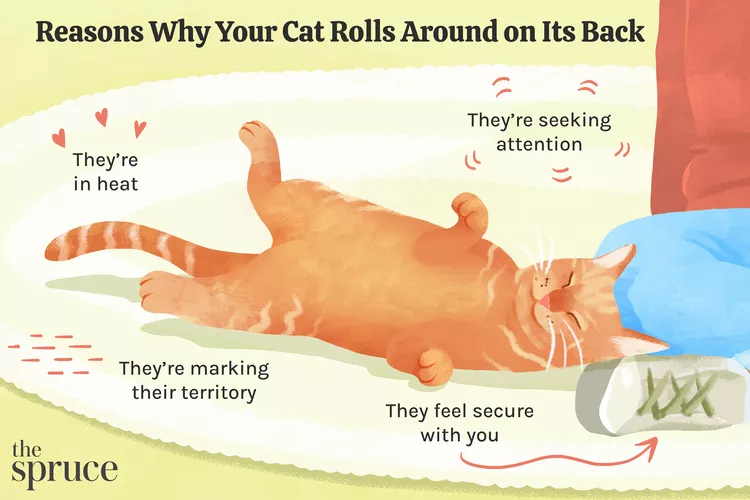
Why Your Cat Is Rolling Around on Its Back
When your cat rolls on its back, it could be telling you something. Rolling can signal the cat feels safe and might want some attention from you.
What Your Cat Is Saying With Its Eyes
Understand how cats communicate with their eyes, from arousal and trust to dominance and aggression.
Why Cats Like Being Pet
Why do some cats enjoy being pet and others don't? Learn why certain cats want you to pet them while others just want to be left untouched.
100+ White Cat Names
White cat names can pay homage to their wintry fur, like Snowflake or Frosty, but can also be playful, such as Marshmallow, or elegant, like Pearl.
The First 30 Days With Your New Kitten
The first month is full of changes and excitement for a kitten in a new home. Find out what to expect and what you can do for your new feline friend.
What Is the Difference Between Cat Hair and Fur?
Is there a difference between cat hair and cat fur? Learn the correct terminology and about five different kinds of hair found on your feline.
Explore the Sources of Your Cat's Personality
What influences your cat's personality? Genetics, history, and environmental factors can contribute to your cat's mannerisms and moodiness.
15 Best Movie-Inspired Cat Names
If you are bringing home a kitty and you are a big movie buff, then a cinematic cat name might be right up your alley for your new feline friend.
10 Most Intelligent Cat Breeds
Looking for a smart cat? Learn about the pros and cons of 10 intelligent cat breeds, including Burmese and Siamese, to decide if one is right for you.
8 Cute Pictures of Norwegian Forest Cats
Learn about the history of Norwegian forest cats, and check out cute pictures of Norway's national cat.
12 Fluffy Cat Breeds Perfect for Endless Cuddles
If you like long-haired cats and don't mind daily (or almost daily) brushing, you’ll love these fluffy cat breeds.
Feline Breeds, Domestic Shorthair Cats, and Color Patterns
Cat lovers often are confused about identifying terms, such as purebred, DSH, and tabby. Learn more about the differences between these terms.
Havana Brown: Cat Breed Profile
The Havana Brown is a beautiful and rare cat breed with an interesting background.
Bambino: Cat Breed Profile, Characteristics & Care
The bambino cat is a controversial cross between a hairless sphynx and the short-legged munchkin. Learn about the bambino breed.
11 Cute Pictures of Ragdoll Cats
Ragdoll cats are known for their beautiful coats and bright, blue eyes. Learn all about the breed, and check out some cute pictures here.
Pictures and Facts About Bengal Cats and Kittens
Bengal cats are a cross between wild cats and domestic cats. Learn more about what they look like and pictures of this beautiful spotted breed.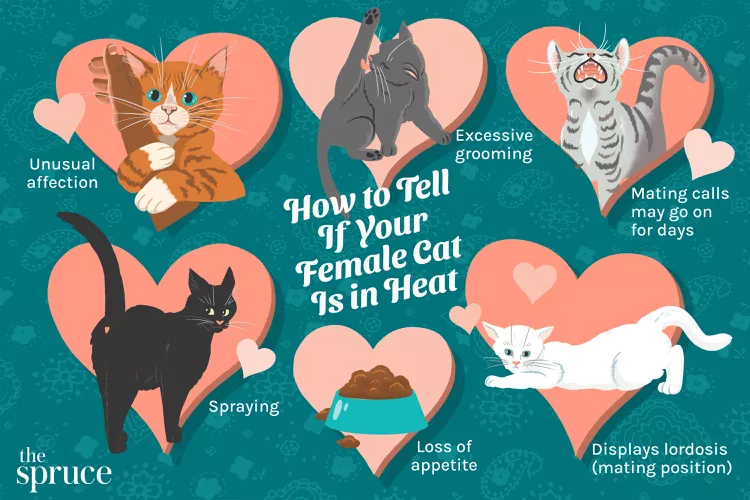
Signs of Heat in Cats
A cat in heat will show several physical and behavioral signs. Here's how to tell if your cat is in heat and how to care for her during this time. Learn the signs and how to prevent pregnancy, even if her cycle has begun.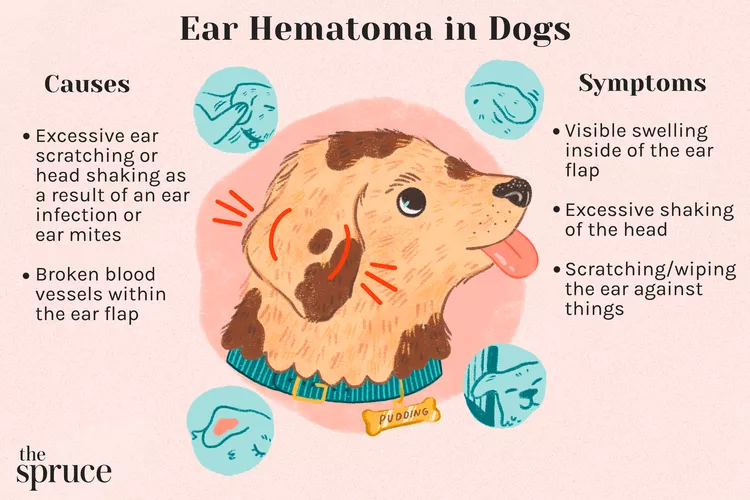
Why Is My Dog’s Ear Swollen? Causes and Treatment of Ear Hematoma
If your dog’s ear is swollen, it could indicate an ear hematoma. Learn the primary causes and treatments for ear hematomas in dogs straight from a veterinarian.
Are Snake Plants Toxic to Cats?
Snake plants can be toxic to cats, depending on the amount of plant ingested and other factors. If you suspect your cat has ingested any amount of a snake plant, seek veterinary attention immediately to prevent serious complications.