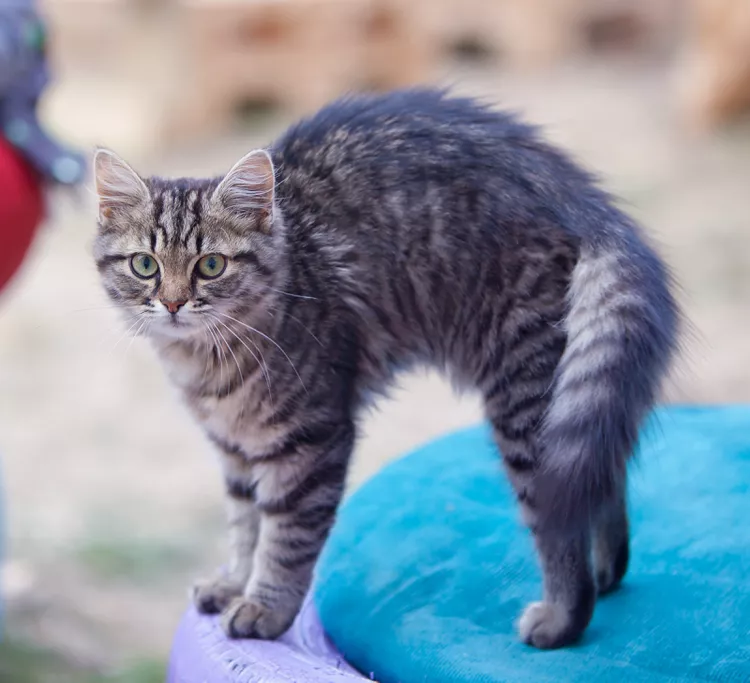
Feline Hyperesthesia Syndrome (FHS), commonly called rippling skin disorder, can be mistaken for normal crazy behavior in cats. However, it's a syndrome that may require treatment. Tuning in to the symptoms, such as skin twitching, abnormal vocalizations, and erratic behavior will help you and your veterinarian identify the need for medical intervention.
Learn more about Feline Hyperesthesia Syndrome and its common treatments and prevention methods.
Feline Hyperesthesia Syndrome (FHS) is a disorder in which the characteristic symptom is rippling or shuddering skin (particularly on the back, near the base of the tail). FHS also manifests as behavioral abnormalities that are even more concerning, such as excessive vocalization and generalized agitation.
To track symptoms that may indicate FHS, consider documenting the frequency of twitching or odd behaviors, such as:
The exact cause of Feline Hyperesthesia Syndrome is often unknown. Because of this, FHS has been categorized as a behavioral, neurological, and/or skin disorder. While any cat can be affected by it, Asian breeds such as the Siamese, Burmese, Abyssinian, and Persian tend to be diagnosed more frequently. Most cats affected by Feline Hyperesthesia Syndrome start to exhibit symptoms between one and seven years of age. Possible triggers include:
Diagnosis of FHS is often a process of elimination. A veterinarian will often look for evidence of skin disease, trauma, or underlying health conditions before making a diagnosis. Because this condition is so often idiopathic (no known cause), your doctor may recommend dietary and environmental modifications before opting for more diagnostic tests like an MRI. Of course, if seizures have been noted, then neurological tests may be recommended.
A cat with FHS can be helped at home by relieving stressors along with providing exercise-based activities, such as interactive play with wand toys. Clicker training, a very effective and fun behavioral modification approach, may be used to stimulate a cat's activity level and alleviate anxiety.
Removing negative influences and exposures, such as other aggressive pets or loud noises, can help. A diet change to a hypoallergenic diet may be tried in cats with known or suspected allergies. Effective flea control is a must.
Anti-convulsant medication such as phenobarbital may occasionally be prescribed for the FHS cat that experiences seizures, or low dosages of mood-stabilizing drugs may be prescribed to help calm a cat.
Although a cat with FHS may never be entirely "cured" with modifications or medication, you can work with a pet behaviorist to help your cat feel happier and more comfortable.
The quality of life for a cat with FHS depends on the cause of the condition. The goal of treatment is to make a cat more comfortable. If a recommended treatment does not seem to be working, a follow-up with a veterinarian is recommended.
How to Dispose of Cat Litter
Cleaning cat litter is a necessary chore for all cat owners, but what's the best way to dispose of it? Generally, flushing is not a safe option.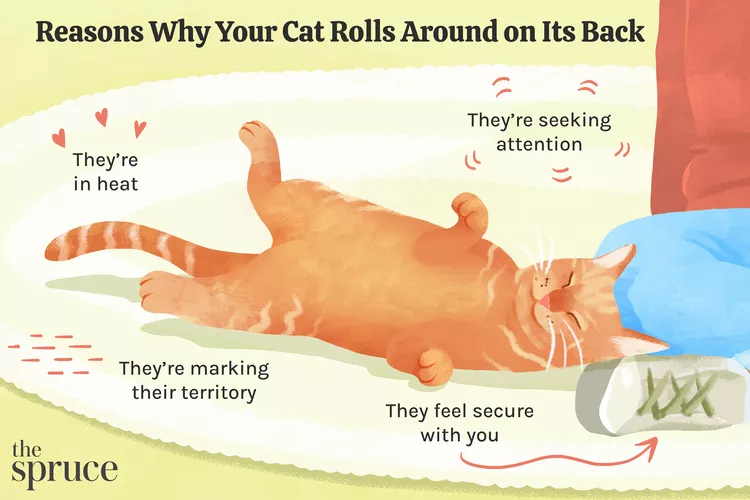
Why Your Cat Is Rolling Around on Its Back
When your cat rolls on its back, it could be telling you something. Rolling can signal the cat feels safe and might want some attention from you.
What Your Cat Is Saying With Its Eyes
Understand how cats communicate with their eyes, from arousal and trust to dominance and aggression.
Why Cats Like Being Pet
Why do some cats enjoy being pet and others don't? Learn why certain cats want you to pet them while others just want to be left untouched.
100+ White Cat Names
White cat names can pay homage to their wintry fur, like Snowflake or Frosty, but can also be playful, such as Marshmallow, or elegant, like Pearl.
The First 30 Days With Your New Kitten
The first month is full of changes and excitement for a kitten in a new home. Find out what to expect and what you can do for your new feline friend.
What Is the Difference Between Cat Hair and Fur?
Is there a difference between cat hair and cat fur? Learn the correct terminology and about five different kinds of hair found on your feline.
Explore the Sources of Your Cat's Personality
What influences your cat's personality? Genetics, history, and environmental factors can contribute to your cat's mannerisms and moodiness.
15 Best Movie-Inspired Cat Names
If you are bringing home a kitty and you are a big movie buff, then a cinematic cat name might be right up your alley for your new feline friend.
10 Most Intelligent Cat Breeds
Looking for a smart cat? Learn about the pros and cons of 10 intelligent cat breeds, including Burmese and Siamese, to decide if one is right for you.
8 Cute Pictures of Norwegian Forest Cats
Learn about the history of Norwegian forest cats, and check out cute pictures of Norway's national cat.
12 Fluffy Cat Breeds Perfect for Endless Cuddles
If you like long-haired cats and don't mind daily (or almost daily) brushing, you’ll love these fluffy cat breeds.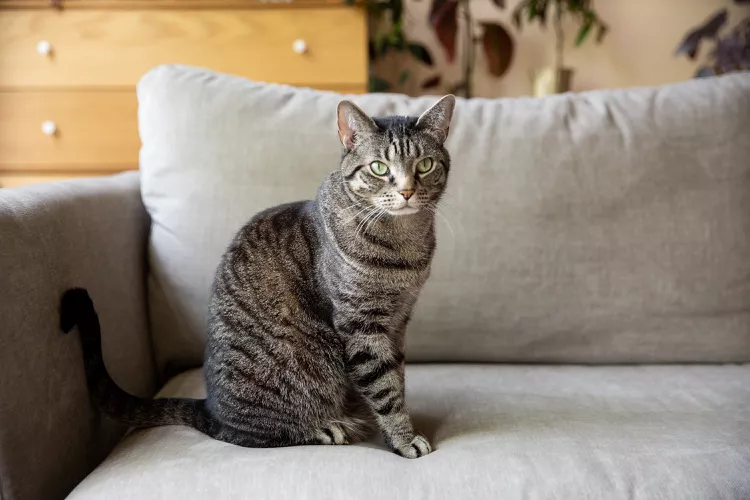
Feline Breeds, Domestic Shorthair Cats, and Color Patterns
Cat lovers often are confused about identifying terms, such as purebred, DSH, and tabby. Learn more about the differences between these terms.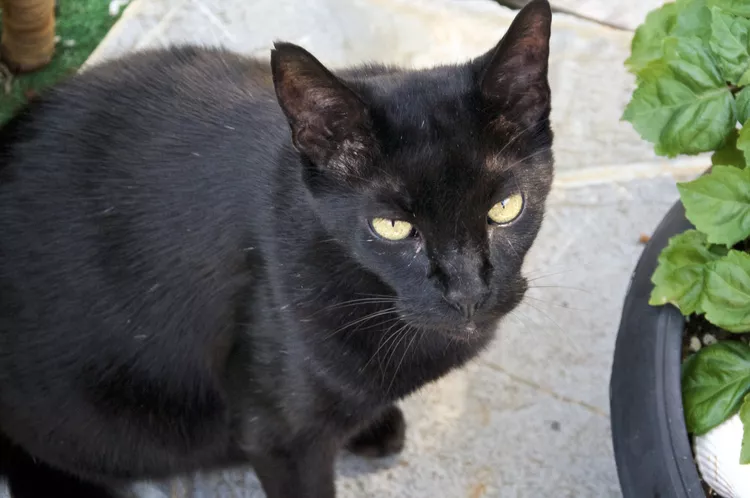
Havana Brown: Cat Breed Profile
The Havana Brown is a beautiful and rare cat breed with an interesting background.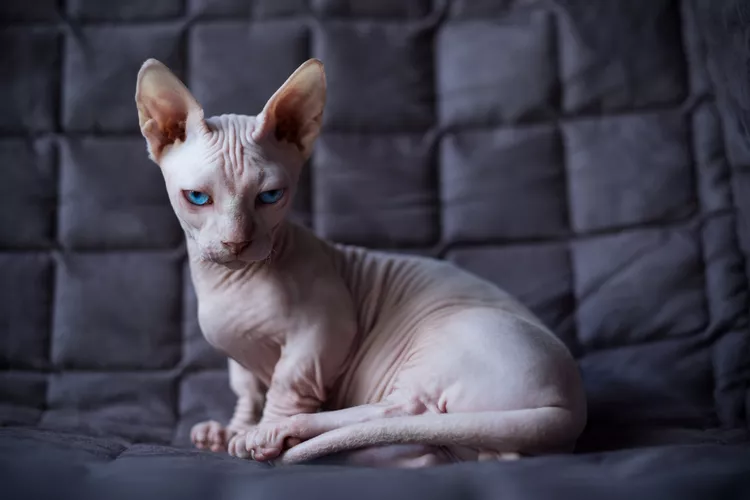
Bambino: Cat Breed Profile, Characteristics & Care
The bambino cat is a controversial cross between a hairless sphynx and the short-legged munchkin. Learn about the bambino breed.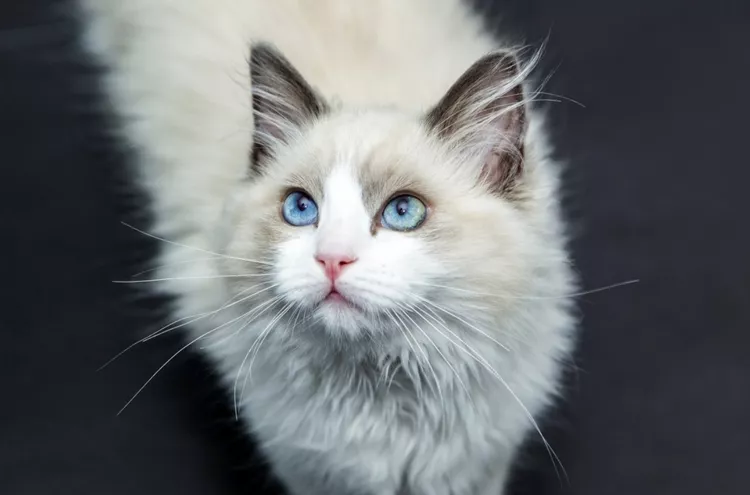
11 Cute Pictures of Ragdoll Cats
Ragdoll cats are known for their beautiful coats and bright, blue eyes. Learn all about the breed, and check out some cute pictures here.
Pictures and Facts About Bengal Cats and Kittens
Bengal cats are a cross between wild cats and domestic cats. Learn more about what they look like and pictures of this beautiful spotted breed.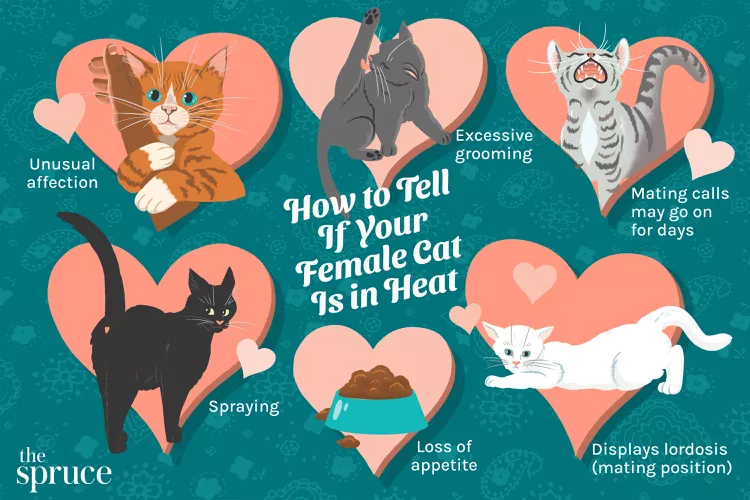
Signs of Heat in Cats
A cat in heat will show several physical and behavioral signs. Here's how to tell if your cat is in heat and how to care for her during this time. Learn the signs and how to prevent pregnancy, even if her cycle has begun.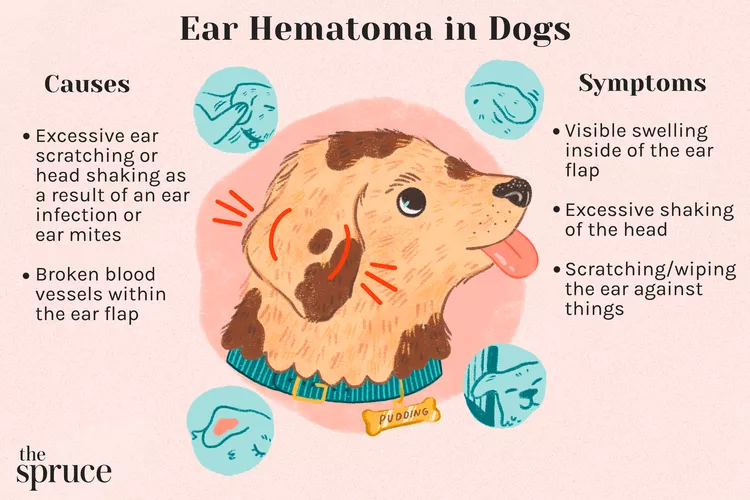
Why Is My Dog’s Ear Swollen? Causes and Treatment of Ear Hematoma
If your dog’s ear is swollen, it could indicate an ear hematoma. Learn the primary causes and treatments for ear hematomas in dogs straight from a veterinarian.
Are Snake Plants Toxic to Cats?
Snake plants can be toxic to cats, depending on the amount of plant ingested and other factors. If you suspect your cat has ingested any amount of a snake plant, seek veterinary attention immediately to prevent serious complications.