It is not uncommon for cats to throw up the occasional hairball, however, if your cat were to ever vomit blood, also called hematemesis, your cat could be suffering from something that requires immediate veterinary medical attention. Vomiting blood can be indicative of a wide variety of medical conditions that your vet can help you diagnose and treat. Find out more about the underlying causes of vomiting blood, how a diagnosis is made, and how this condition may be treated.
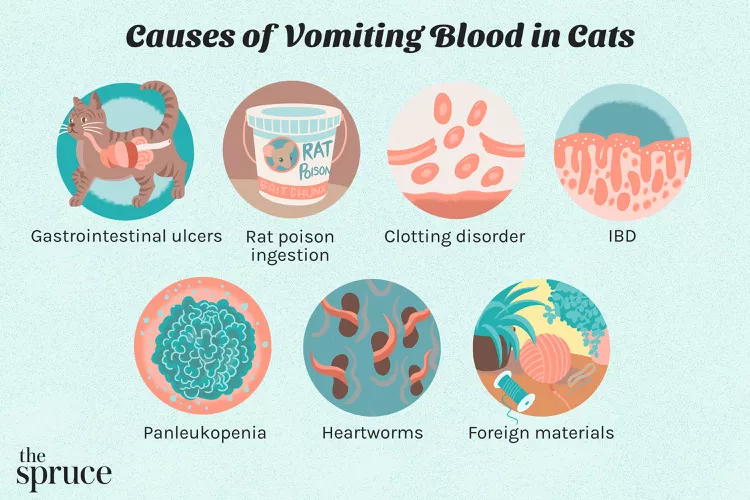
A cat vomiting blood can have two very different appearances. If the blood is coming from the esophagus, stomach, or upper part of the small intestines, it may appear as bright red streaks. If the blood is coming from farther down the GI tract, though, it will appear as coffee grounds. This is due to the blood being partially digested. Regardless of where in the GI tract the blood originated from, you should contact your vet immediately. Here are some of the common causes.
As in people, cats can develop open sores on the mucous membranes lining of their esophagus or stomach. Gastrointestinal ulcers are uncommon in cats. They are often associated with tumors in cats, but the cause can also be unknown. They can also cause a loss of appetite, pale gums, lethargy, dark stools, and bloody diarrhea.
If you suspect that your cat is vomiting blood due to an ulcer, get them in to see their vet as soon as your can. Your vet will then be able to create a treatment plan specific to your cat.
Conventional rat poisons are incredibly dangerous around animals and children. Most people don't realize that when a rodent ingests rat poison and subsequently dies, the poison doesn't just stop being toxic. In fact, if a cat (or any other animal, domesticate or wild) ingests a rodent that has died from rodenticide ingestion, could be just as at risk as a cat that gets into the rat poison directly.
A cat that ingests rat poison can not only vomit blood but also difficulty breathing, lack of appetite, lethargy, excessive thirst, as well as excessive bleeding. If you suspect that your cat has gotten into rat poison, immediately get your cat to a veterinarian.
On rare instances, your cat may have a genetic disorder called hemophilia. This is a rare blood disorder that interferes with the body's clotting cascade and, thus, inhibits the formation of clots. Depending on how severe your cat's bleeding it, your vet may want to hospitalize your cat for blood and plasma transfusions.
Inflammatory bowel disease (IBD) is a GI condition seen in cats. While the true cause is not yet known, most professionals believe it is either the result of food allergies or a hypersensitivity to normal gut flora. IBD is chronic condition, meaning veterinary medicine cannot cure it, but we can manage symptoms.
Cats suffering from this disease can also exhibit diarrhea, weight loss, bloody stools, and decreased appetite. Your vet will want to run blood work to check their organ function as well as their Vitamin B levels before starting a treatment regimen for IBD if that is the cause of your cat's hematemesis.
Feline panleukopenia (FPV) is very closely related to canine parvovirus as it is a highly contagious and life-threatening viral disease. It is sometimes referred to as feline distemper and is part of the "feline distemper" vaccine, which also vaccinated for feline viral rhinotracheaitis as well as calicivirus. Keeping your cat current on their vaccines will protect them from FP.
If your cat has experienced a lapse in vaccines and FP is the cause of their vomiting blood, your vet will want to hospitalize your cat on IV fluids as supportive therapy is the best treatment for panleukopenia.
While heartworm infection is a well-known and well-discussed concern among veterinarians and dog owners, cat owners might be surprised to learn that our feline friends can, unfortunately, contract this deadly parasite as well. Heartworm disease, while not as commonly seen in cats as in dogs, is a serious concern.
Cats that contract heartworm can suffer from a condition known as heartworm associated respiratory disease (HARD). Symptoms of HARD can include vomiting (of both blood and food), coughing, asthma-like attacks, lack of appetite, or weight loss.
A foreign object in the GI tract can cause intestinal inflammation at best and an intestinal perforation at worst. The most commonly seen foreign object in cats is string and thread, so keeping these out of the reach of your cat is of the utmost importance. A cat that has a partial or full intestinal blockage from a foreign object will vomit when their food reaches the blockage and cannot continue through the GI tract any further. If there is a perforation or any associated inflammation there may be blood associated with the vomit. Foreign body obstructions require urgent veterinary attention.
The causes a cat vomiting blood are varied and some are more emergent than others, but all do require immediate attention, so contact your veterinarian immediately. Your vet can help you determine what medical issue your cat is struggling with and create a treatment plan to help them feel better in no time.
Treatment will vary depending on the cause of the blood. Most commonly, you can expect IV fluids or a blood transfusion. There may be instances that require an endoscopy and/or surgery. If due to poison ingestion, depending on the severity of your cat's toxicity, your vet will begin treatment to neutralize the poison. If your cat's vomiting is the result of a foreign object in the GI tract, depending on their physical exam findings, testing, and the symptoms your cat is exhibiting, your vet may want to take your cat straight to surgery or hospitalize on IV fluids and observe them to see if the object can pass on its own with just supportive care.
If the vomiting blood is from heartworm disease, know that there is monthly prevention for heartworm in cats. Since there is no known treatment for cats with HARD, prevention is key. Your veterinarian will be able to discuss the different prevention options available as well as your cat's risk for exposure.

How to Dispose of Cat Litter
Cleaning cat litter is a necessary chore for all cat owners, but what's the best way to dispose of it? Generally, flushing is not a safe option.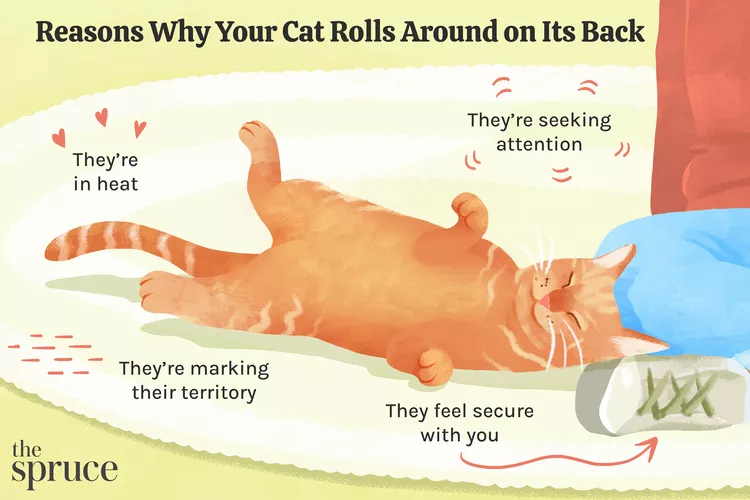
Why Your Cat Is Rolling Around on Its Back
When your cat rolls on its back, it could be telling you something. Rolling can signal the cat feels safe and might want some attention from you.
What Your Cat Is Saying With Its Eyes
Understand how cats communicate with their eyes, from arousal and trust to dominance and aggression.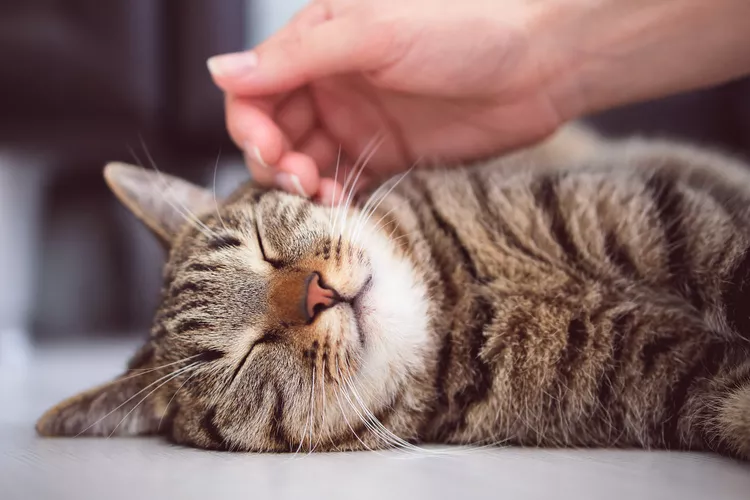
Why Cats Like Being Pet
Why do some cats enjoy being pet and others don't? Learn why certain cats want you to pet them while others just want to be left untouched.
100+ White Cat Names
White cat names can pay homage to their wintry fur, like Snowflake or Frosty, but can also be playful, such as Marshmallow, or elegant, like Pearl.
The First 30 Days With Your New Kitten
The first month is full of changes and excitement for a kitten in a new home. Find out what to expect and what you can do for your new feline friend.
What Is the Difference Between Cat Hair and Fur?
Is there a difference between cat hair and cat fur? Learn the correct terminology and about five different kinds of hair found on your feline.
Explore the Sources of Your Cat's Personality
What influences your cat's personality? Genetics, history, and environmental factors can contribute to your cat's mannerisms and moodiness.
15 Best Movie-Inspired Cat Names
If you are bringing home a kitty and you are a big movie buff, then a cinematic cat name might be right up your alley for your new feline friend.
10 Most Intelligent Cat Breeds
Looking for a smart cat? Learn about the pros and cons of 10 intelligent cat breeds, including Burmese and Siamese, to decide if one is right for you.
8 Cute Pictures of Norwegian Forest Cats
Learn about the history of Norwegian forest cats, and check out cute pictures of Norway's national cat.
12 Fluffy Cat Breeds Perfect for Endless Cuddles
If you like long-haired cats and don't mind daily (or almost daily) brushing, you’ll love these fluffy cat breeds.
Feline Breeds, Domestic Shorthair Cats, and Color Patterns
Cat lovers often are confused about identifying terms, such as purebred, DSH, and tabby. Learn more about the differences between these terms.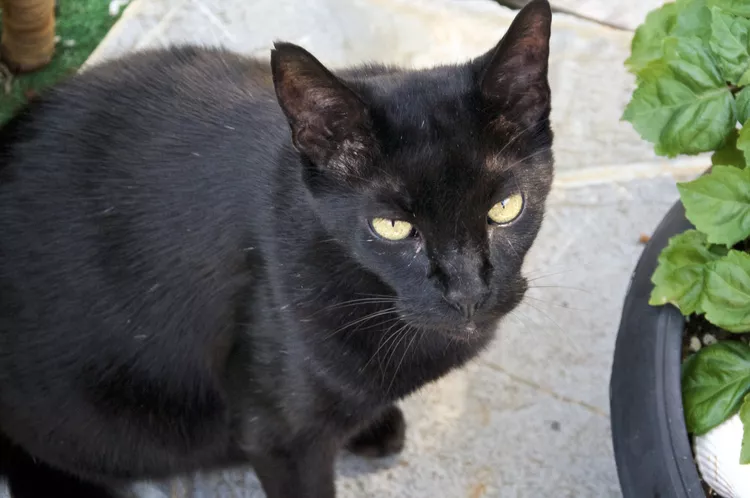
Havana Brown: Cat Breed Profile
The Havana Brown is a beautiful and rare cat breed with an interesting background.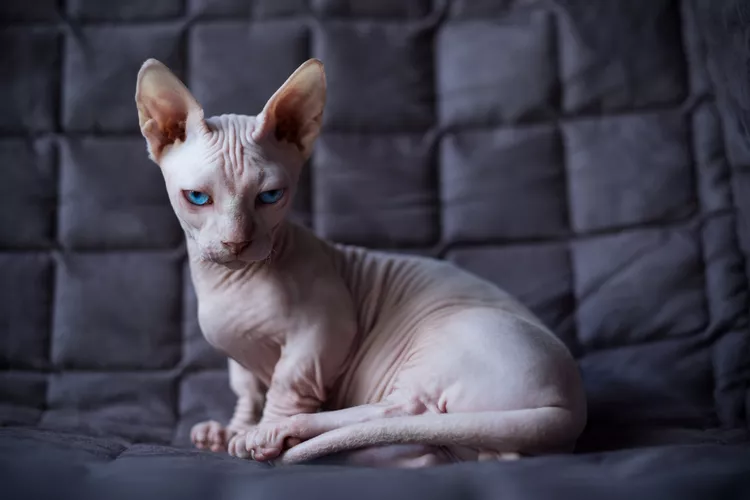
Bambino: Cat Breed Profile, Characteristics & Care
The bambino cat is a controversial cross between a hairless sphynx and the short-legged munchkin. Learn about the bambino breed.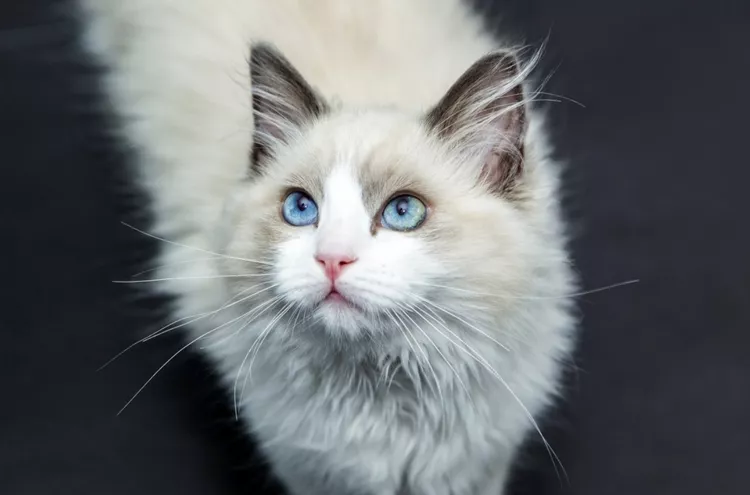
11 Cute Pictures of Ragdoll Cats
Ragdoll cats are known for their beautiful coats and bright, blue eyes. Learn all about the breed, and check out some cute pictures here.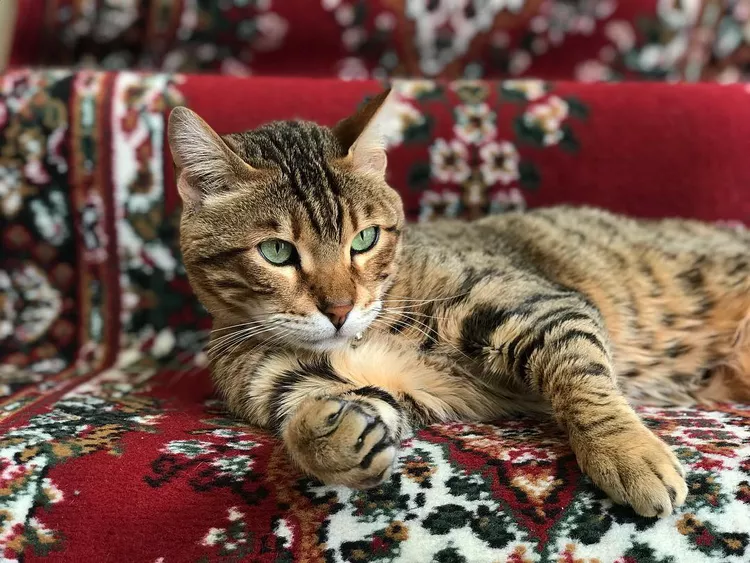
Pictures and Facts About Bengal Cats and Kittens
Bengal cats are a cross between wild cats and domestic cats. Learn more about what they look like and pictures of this beautiful spotted breed.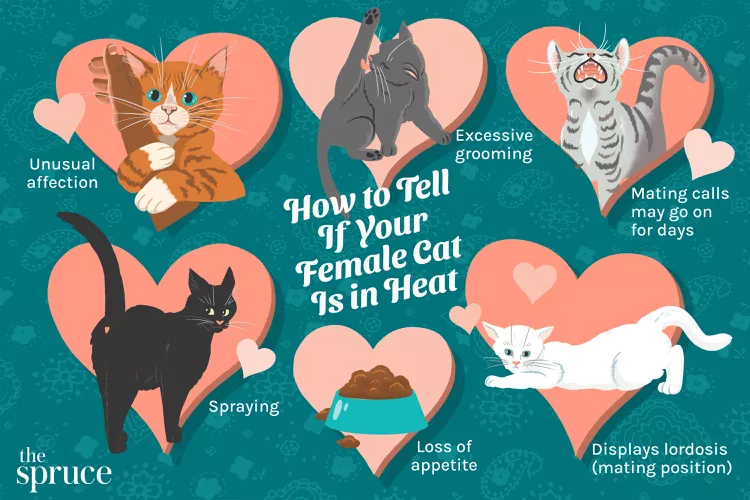
Signs of Heat in Cats
A cat in heat will show several physical and behavioral signs. Here's how to tell if your cat is in heat and how to care for her during this time. Learn the signs and how to prevent pregnancy, even if her cycle has begun.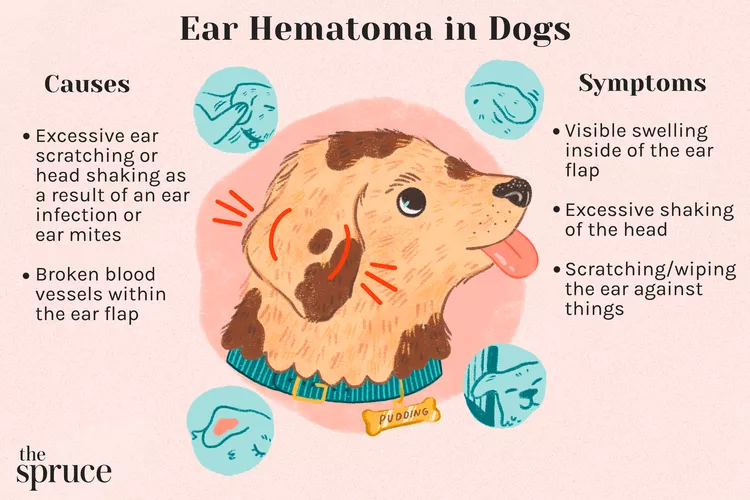
Why Is My Dog’s Ear Swollen? Causes and Treatment of Ear Hematoma
If your dog’s ear is swollen, it could indicate an ear hematoma. Learn the primary causes and treatments for ear hematomas in dogs straight from a veterinarian.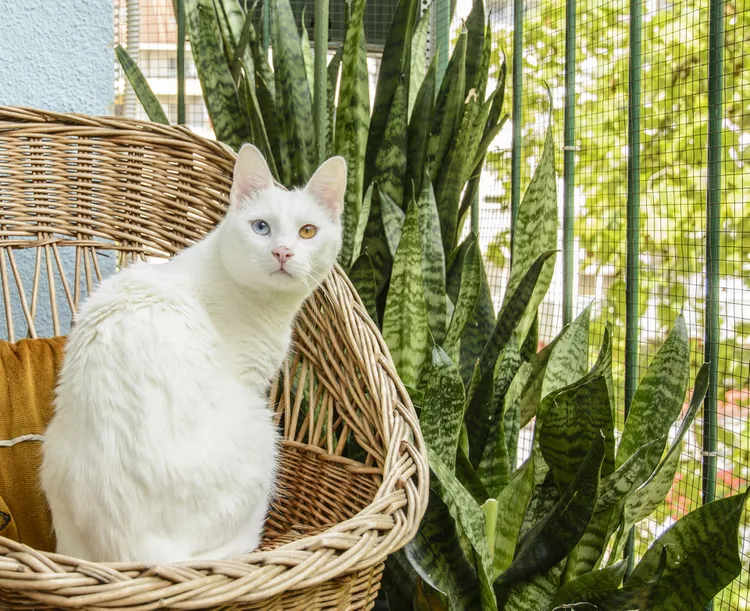
Are Snake Plants Toxic to Cats?
Snake plants can be toxic to cats, depending on the amount of plant ingested and other factors. If you suspect your cat has ingested any amount of a snake plant, seek veterinary attention immediately to prevent serious complications.