Curious cats and kittens can get into all kinds of inappropriate items around the house. There are many hazardous chemicals and dangerous items in the average household. Among these are fabric softeners, both in dryer sheets and liquid formulation. You may think that something like a dryer sheet is safe, but it is actually a very dangerous thing for your cat to eat.
Dryer sheets and fabric softeners usually contain harsh chemicals called cationic surfactants. These chemicals are in high concentrations that are released in the dryer. The chemicals coat fabrics to reduce static cling and soften their texture. In addition, most dryer sheets are made from synthetic materials that do not break down easily in the gastrointestinal tract. Both of these features make dryer sheets very dangerous to cats.
Cats are typically very sensitive to chemicals, and those in fabric softeners are no exception. The caustic chemicals can lead to irritation and ulceration in the mouth and GI tract. Skin irritation can occur as well. In serious cases, the ingestion of these harmful chemicals can lead to organ damage or central nervous system depression.
Also, a cat that eats a dryer sheet ingestion may develop gastrointestinal obstruction. A blockage in the GI tract can lead to serious illness and even death. In many cases, GI obstructions need to be removed surgically or via endoscopy. These procedures can increase the risks to your cat's health.
Secondly, the chemicals in fabric softeners can cause irritation to the skin, mucous membranes and stomach lining. In concentrated amounts, the damage may be serious and appear as burns or ulcers. In addition, some of these chemicals can lead to lung damage, central nervous system depression, and acute kidney disease.
If you think that your cat ate a dryer sheet or drank some liquid fabric softener, it is essential to contact your veterinarian immediately. Never try to induce vomiting—this may increase the irritation to the esophagus and mouth. Gather all the details to share with the vet, such as the brand of the chemical, the time your cat ate it, approximately how much was eaten.
Depending on the situation, your vet may recommend you bring your cat into the animal hospital for treatment. It is possible that your vet will be able to recommend home treatment, but it is more likely that you will need to visit the vet in person. Try to bring the fabric softener packaging so your vet can determine exactly what your cat ate. Your vet may need to get in touch with animal poison control to find out more about the toxicity of that specific brand.
The best way to prevent cats from eating dryer sheets is to keep them out of reach. All chemicals in the home should be stored out of reach and, if possible, behind closed doors. Curious cats are persistent and tend to get into places where they don't belong.
If you do not have a laundry room with a door that closes, then the chemicals should be secured up high and behind secure cabinet doors. Keep the washer and dryer doors closed at all times.
Although used dryer sheets have lower concentrations of chemicals, it doesn't mean they are safe. Residual chemicals may be enough to cause irritation to your cat's skin and mouth as a result of self-grooming. Additionally, ingested used dryer sheets can still lead to intestinal blockage.
Many cats love to snuggle up in warm, clean laundry, where they might find a random dryer sheet to lick or eat. That's why you should keep clean laundry out of reach and dispose of used dryer sheets in a place where your cat can't find them. Better yet, fold and put away fabric items right after they come out of the dryer.
"Natural" and environmentally friendly products, although potentially leas harmful, are not necessarily safe. They should still be kept out of the reach of all pets in the home. If your cat eats a natural fabric softener, you should still contact the vet for advice.
Don't use fabric softeners on your cat's bedding as the residual chemicals can still cause problems. Remember that cats are fastidious groomers and may get the chemicals in their mouth.
You might have heard of people using dryer sheets to remove dead hairs from their cats' coats and reduce shedding. This never recommended since your cat is likely to lick the chemical residue from his fur.
Consider safer alternatives to chemical fabric softeners, such as dryer balls made of wool or plastic. These can soften fabrics in the dryer without chemicals. You may even find that adding clean tennis balls to the dryer works well to soften fabrics.
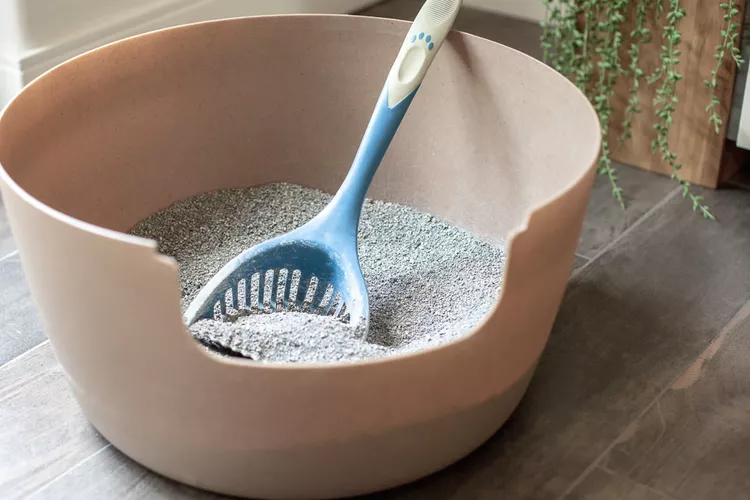
How to Dispose of Cat Litter
Cleaning cat litter is a necessary chore for all cat owners, but what's the best way to dispose of it? Generally, flushing is not a safe option.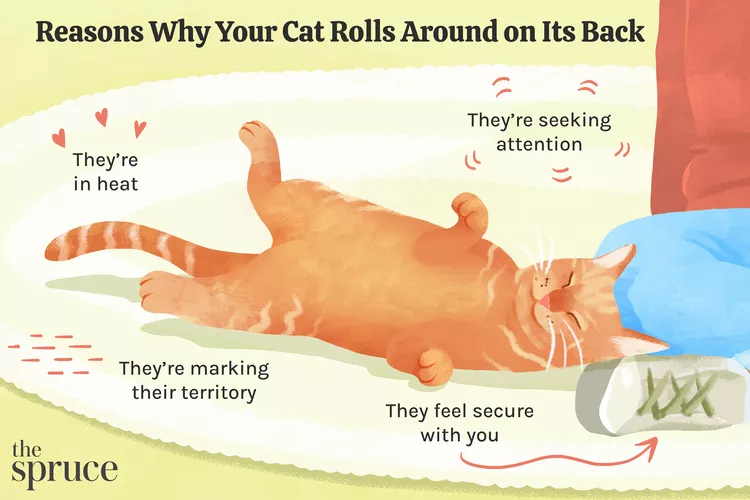
Why Your Cat Is Rolling Around on Its Back
When your cat rolls on its back, it could be telling you something. Rolling can signal the cat feels safe and might want some attention from you.
What Your Cat Is Saying With Its Eyes
Understand how cats communicate with their eyes, from arousal and trust to dominance and aggression.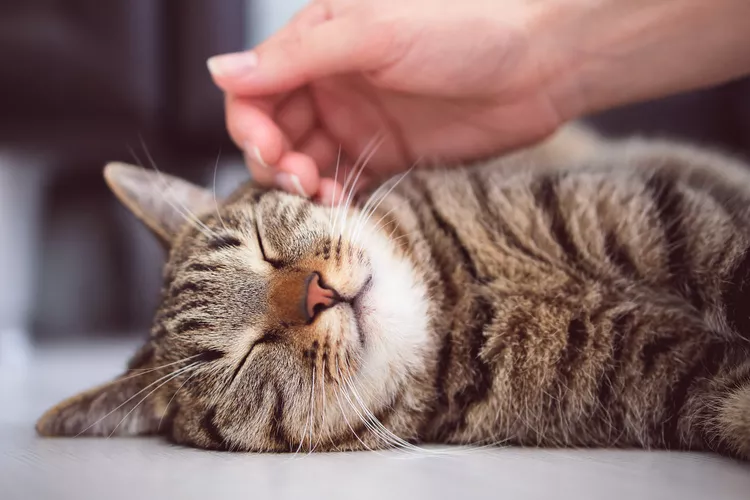
Why Cats Like Being Pet
Why do some cats enjoy being pet and others don't? Learn why certain cats want you to pet them while others just want to be left untouched.
100+ White Cat Names
White cat names can pay homage to their wintry fur, like Snowflake or Frosty, but can also be playful, such as Marshmallow, or elegant, like Pearl.
The First 30 Days With Your New Kitten
The first month is full of changes and excitement for a kitten in a new home. Find out what to expect and what you can do for your new feline friend.
What Is the Difference Between Cat Hair and Fur?
Is there a difference between cat hair and cat fur? Learn the correct terminology and about five different kinds of hair found on your feline.
Explore the Sources of Your Cat's Personality
What influences your cat's personality? Genetics, history, and environmental factors can contribute to your cat's mannerisms and moodiness.
15 Best Movie-Inspired Cat Names
If you are bringing home a kitty and you are a big movie buff, then a cinematic cat name might be right up your alley for your new feline friend.
10 Most Intelligent Cat Breeds
Looking for a smart cat? Learn about the pros and cons of 10 intelligent cat breeds, including Burmese and Siamese, to decide if one is right for you.
8 Cute Pictures of Norwegian Forest Cats
Learn about the history of Norwegian forest cats, and check out cute pictures of Norway's national cat.
12 Fluffy Cat Breeds Perfect for Endless Cuddles
If you like long-haired cats and don't mind daily (or almost daily) brushing, you’ll love these fluffy cat breeds.
Feline Breeds, Domestic Shorthair Cats, and Color Patterns
Cat lovers often are confused about identifying terms, such as purebred, DSH, and tabby. Learn more about the differences between these terms.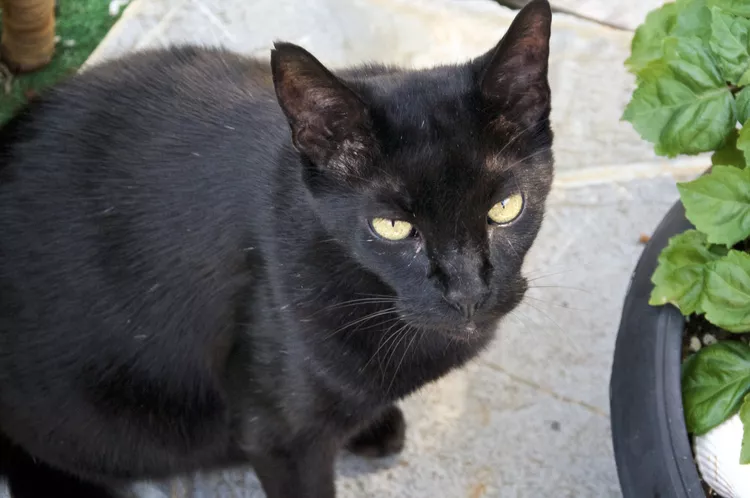
Havana Brown: Cat Breed Profile
The Havana Brown is a beautiful and rare cat breed with an interesting background.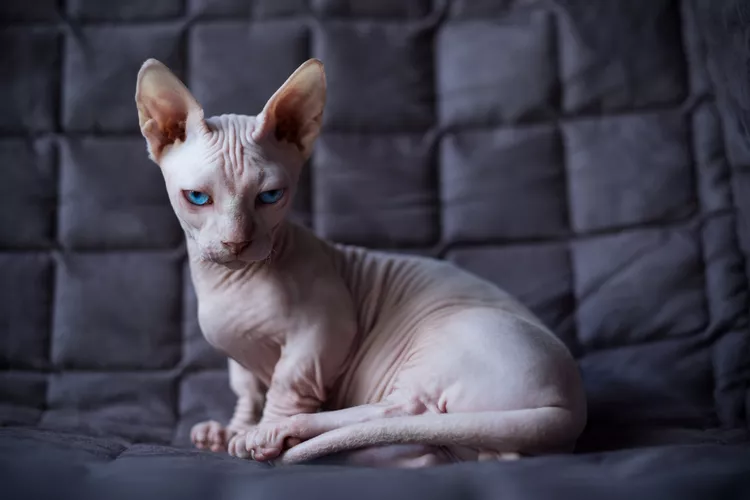
Bambino: Cat Breed Profile, Characteristics & Care
The bambino cat is a controversial cross between a hairless sphynx and the short-legged munchkin. Learn about the bambino breed.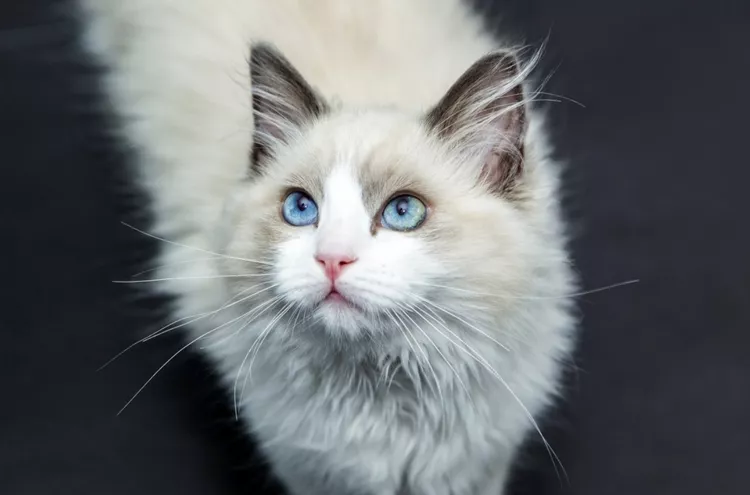
11 Cute Pictures of Ragdoll Cats
Ragdoll cats are known for their beautiful coats and bright, blue eyes. Learn all about the breed, and check out some cute pictures here.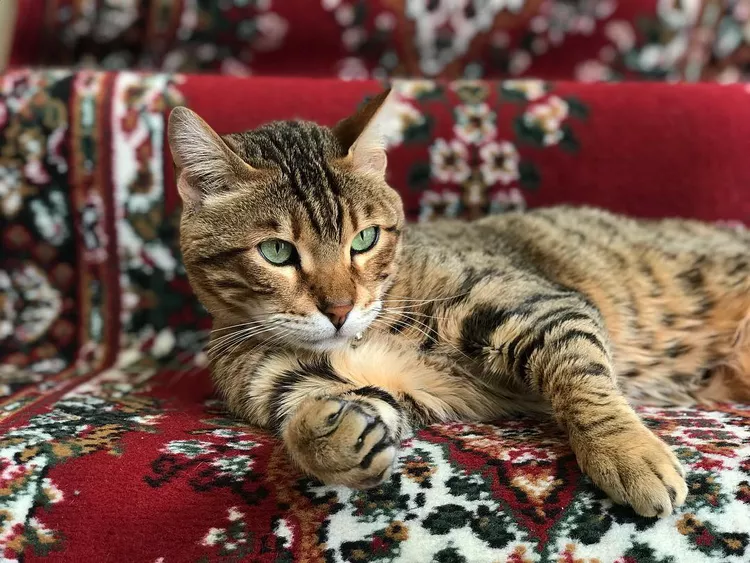
Pictures and Facts About Bengal Cats and Kittens
Bengal cats are a cross between wild cats and domestic cats. Learn more about what they look like and pictures of this beautiful spotted breed.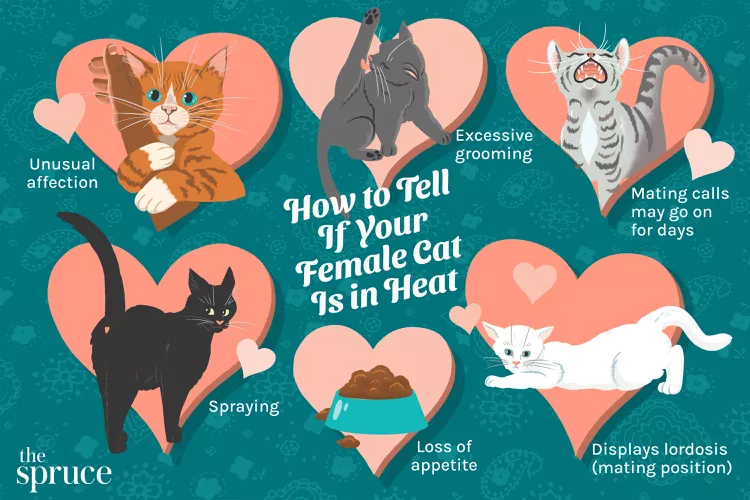
Signs of Heat in Cats
A cat in heat will show several physical and behavioral signs. Here's how to tell if your cat is in heat and how to care for her during this time. Learn the signs and how to prevent pregnancy, even if her cycle has begun.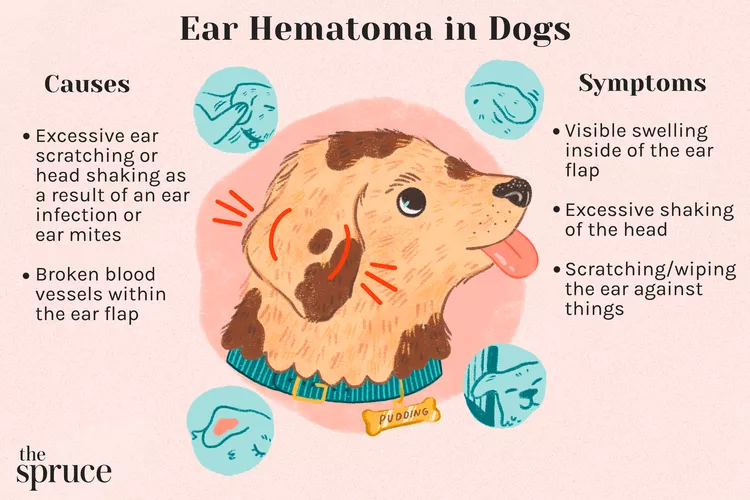
Why Is My Dog’s Ear Swollen? Causes and Treatment of Ear Hematoma
If your dog’s ear is swollen, it could indicate an ear hematoma. Learn the primary causes and treatments for ear hematomas in dogs straight from a veterinarian.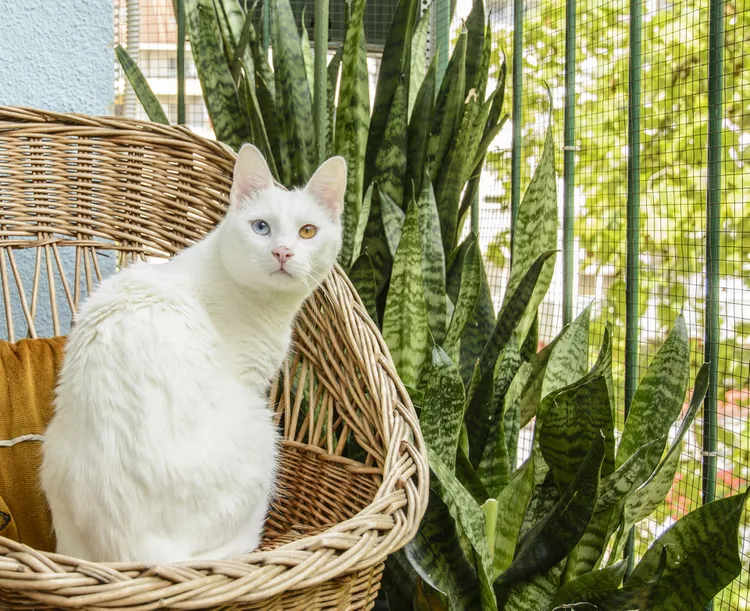
Are Snake Plants Toxic to Cats?
Snake plants can be toxic to cats, depending on the amount of plant ingested and other factors. If you suspect your cat has ingested any amount of a snake plant, seek veterinary attention immediately to prevent serious complications.