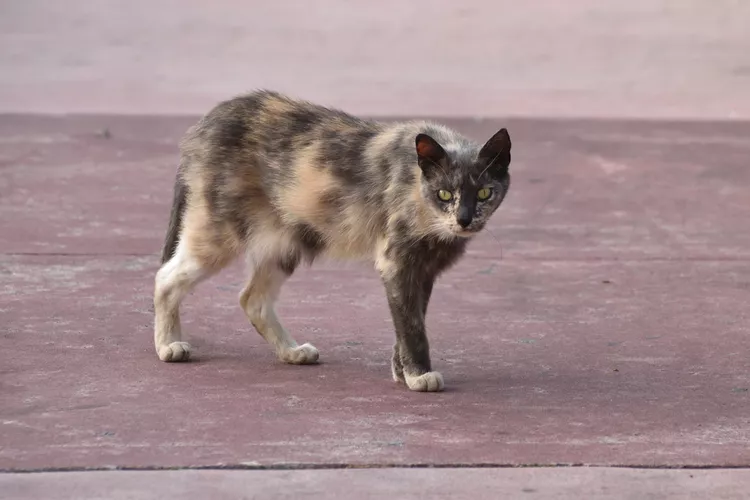
Addison's disease is a disease of the adrenal glands. It causes decreased production of a vital steroid hormone called aldosterone. While many animals, including humans and dogs, can develop Addison's disease, it is rare in cats. When it does occur, it mostly strikes middle-aged cats, leading to symptoms that include vomiting, weight loss, lethargy, and loss of appetite. If left untreated, Addison's disease can eventually cause kidney failure or cause the cat to go into shock. Luckily, if treated before the disease becomes severe, most cats go on to lead normal lives, but will require lifelong medication.
Addison's disease, also known as hypoadrenocorticism, is a disease of the adrenal glands. Located right in front of the kidneys, these small glands produce several hormones that are crucial for maintaining proper body function. Addison's disease occurs when the adrenal glands are unable to produce enough aldosterone. This steroid hormone plays a vital role in balancing the levels of potassium and sodium in the bloodstream. As a result of the low aldosterone production, excessive amounts of potassium and reduced amounts of sodium accumulate in the cat's blood, leading to cardiovascular and other organ complications.
Cats with Addison's disease may not be consistently sick until the disease has progressed. Early on, your cat may have periods of being well followed by periods of lethargy, vomiting, weight loss, and lack of appetite.
It's easy to overlook the signs of Addison's disease, as in many cats, it initially presents only with occasional spells of lethargy, lack of appetite, and weight loss. Some cats will have bouts of vomiting, as well. Since these are common symptoms of many minor ailments, many owners don't consider them important enough to seek veterinary care for their cats, particularly because the cat generally seems well between the attacks of illness.
Unfortunately, when left untreated, the condition can progress, eventually leading to an adrenal crisis (failure of the adrenal glands) where the cat goes into kidney failure and shock. This typically presents as extreme weakness, slow heartbeat, and severe dehydration. At this point, without prompt veterinary care, the cat is likely to die.
Addison's disease is rare in cats. It is thought to occur as a result of an autoimmune condition where the body's own immune system attacks the adrenal glands, causing damage that reduces hormone production. It can also occur if a cat has an adrenal gland mass or tumor, although this is very uncommon.
In order to diagnose a cat with Addison's disease, your veterinarian will start by performing a full physical examination and obtaining a patient history. If Addison's disease is suspected, a series of diagnostic tests will be recommended to check organ function and look for any indications of disease. Typically, the cat will have very high blood levels of potassium and abnormally low levels of sodium. Blood tests of kidney function may also be abnormal.
To confirm the diagnosis, your vet will likely also order an ACTH (adrenocorticotropic hormone) stimulation test. The test involves checking the cat's response to an injection of ACTH. A cat with Addison's disease will show reduced hormonal response to the injection.
The severity of your cat's Addison's disease will determine the treatment course. If the cat is in shock or adrenal crisis, then emergency treatment will include IV fluids to help correct dehydration and restore electrolyte levels to normal. Possibly, your veterinarian will start emergency steroid treatment as well.
Hormone replacement treatment can often be started while the animal is being stabilized. Addison's disease cannot be cured, so lifelong management of the disease is necessary with the use of medications. Typically, your cat will require two medications: a steroid, such as prednisone or hydrocortisone and a mineralocorticoid medication, such as DOCP, which helps regulate blood levels of electrolytes, including sodium and potassium. Most cats will be on these two medications for the rest of their lives. Both can be given as a long-lasting injection or a daily pill. Using pill pockets can make it easier to administer your cat's medication.
Because periods of stress can trigger an adrenal crisis, your vet might recommend adjusting medications whenever your cat is likely to be stressed, such as during a move, when introducing a new pet to the home, or when your cat needs to stay at a kennel or boarding facility.
With treatment, most cats with Addison's disease lead fairly normal lives. They will require more frequent veterinary checkups than the average cat, however. The prognosis is poorer for cats that experience adrenal crisis or that have Addison's disease brought on by a tumor rather than an autoimmune disease.
Because Addison's disease is caused by an uncommon autoimmune response, it cannot be predicted or prevented in cats. However, feeding your cat a balanced diet, maintaining a healthy weight, providing play and exercise opportunities, and taking your cat for regular veterinary checkups can help keep your pet in tiptop shape and ward off other health issues that might reduce your cat's overall quality of life.

How to Dispose of Cat Litter
Cleaning cat litter is a necessary chore for all cat owners, but what's the best way to dispose of it? Generally, flushing is not a safe option.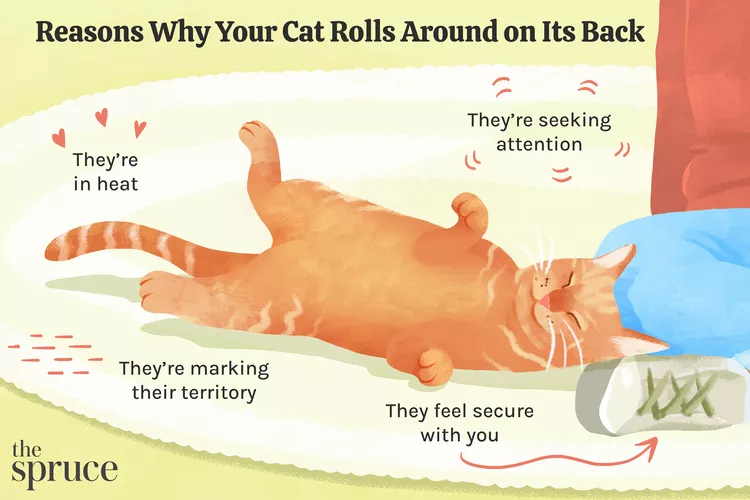
Why Your Cat Is Rolling Around on Its Back
When your cat rolls on its back, it could be telling you something. Rolling can signal the cat feels safe and might want some attention from you.
What Your Cat Is Saying With Its Eyes
Understand how cats communicate with their eyes, from arousal and trust to dominance and aggression.
Why Cats Like Being Pet
Why do some cats enjoy being pet and others don't? Learn why certain cats want you to pet them while others just want to be left untouched.
100+ White Cat Names
White cat names can pay homage to their wintry fur, like Snowflake or Frosty, but can also be playful, such as Marshmallow, or elegant, like Pearl.
The First 30 Days With Your New Kitten
The first month is full of changes and excitement for a kitten in a new home. Find out what to expect and what you can do for your new feline friend.
What Is the Difference Between Cat Hair and Fur?
Is there a difference between cat hair and cat fur? Learn the correct terminology and about five different kinds of hair found on your feline.
Explore the Sources of Your Cat's Personality
What influences your cat's personality? Genetics, history, and environmental factors can contribute to your cat's mannerisms and moodiness.
15 Best Movie-Inspired Cat Names
If you are bringing home a kitty and you are a big movie buff, then a cinematic cat name might be right up your alley for your new feline friend.
10 Most Intelligent Cat Breeds
Looking for a smart cat? Learn about the pros and cons of 10 intelligent cat breeds, including Burmese and Siamese, to decide if one is right for you.
8 Cute Pictures of Norwegian Forest Cats
Learn about the history of Norwegian forest cats, and check out cute pictures of Norway's national cat.
12 Fluffy Cat Breeds Perfect for Endless Cuddles
If you like long-haired cats and don't mind daily (or almost daily) brushing, you’ll love these fluffy cat breeds.
Feline Breeds, Domestic Shorthair Cats, and Color Patterns
Cat lovers often are confused about identifying terms, such as purebred, DSH, and tabby. Learn more about the differences between these terms.
Havana Brown: Cat Breed Profile
The Havana Brown is a beautiful and rare cat breed with an interesting background.
Bambino: Cat Breed Profile, Characteristics & Care
The bambino cat is a controversial cross between a hairless sphynx and the short-legged munchkin. Learn about the bambino breed.
11 Cute Pictures of Ragdoll Cats
Ragdoll cats are known for their beautiful coats and bright, blue eyes. Learn all about the breed, and check out some cute pictures here.
Pictures and Facts About Bengal Cats and Kittens
Bengal cats are a cross between wild cats and domestic cats. Learn more about what they look like and pictures of this beautiful spotted breed.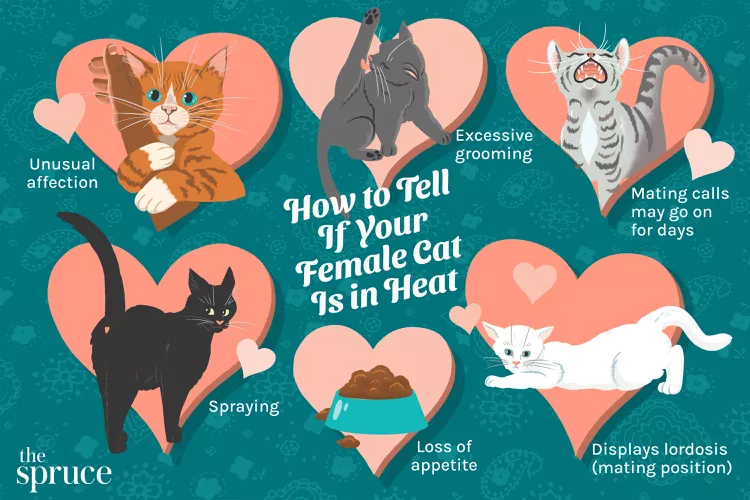
Signs of Heat in Cats
A cat in heat will show several physical and behavioral signs. Here's how to tell if your cat is in heat and how to care for her during this time. Learn the signs and how to prevent pregnancy, even if her cycle has begun.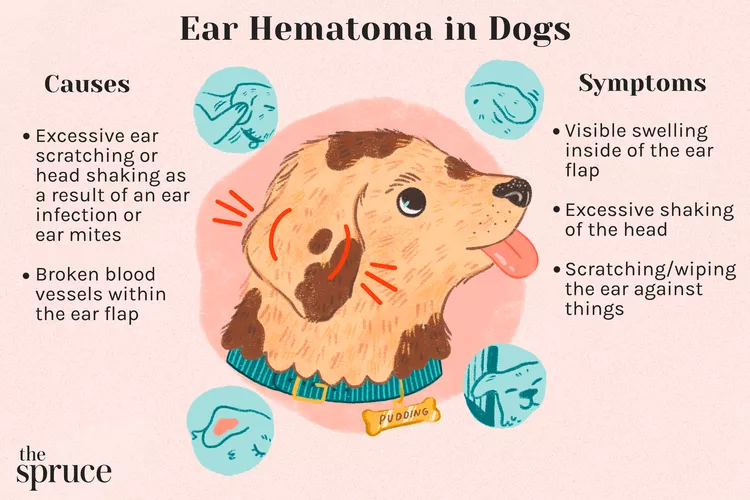
Why Is My Dog’s Ear Swollen? Causes and Treatment of Ear Hematoma
If your dog’s ear is swollen, it could indicate an ear hematoma. Learn the primary causes and treatments for ear hematomas in dogs straight from a veterinarian.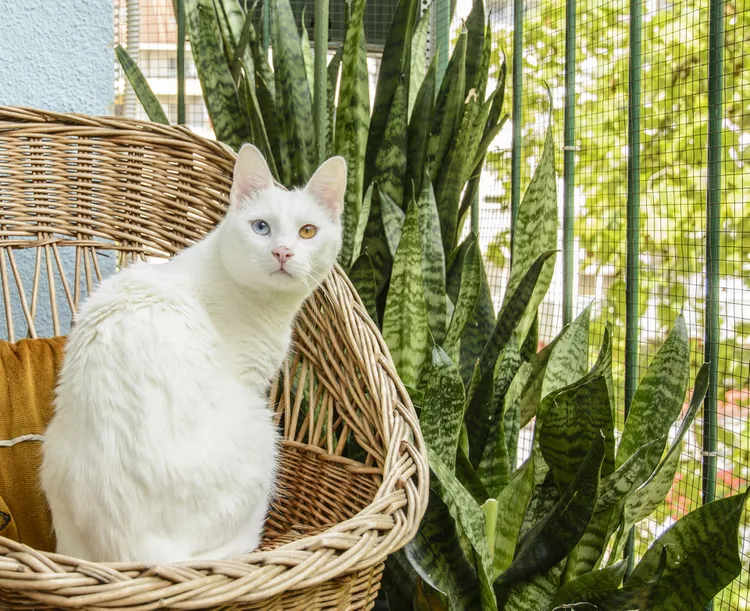
Are Snake Plants Toxic to Cats?
Snake plants can be toxic to cats, depending on the amount of plant ingested and other factors. If you suspect your cat has ingested any amount of a snake plant, seek veterinary attention immediately to prevent serious complications.