
The Singapura cat, one of the most miniature domestic cat breeds (only four to eight pounds when fully grown), stands out with its sepia fur, big bright eyes, large pointed ears, and muscular physique. Despite its small size, the Singapura is energetic and athletic. There is some controversy on the origins of the Singapura, but consensus is that the breed occurred naturally in Singapore, where it was collected and brought it back to the US to start a breeding program in the 1970s. Once a common street cat in Singapore, these purebred felines are now rare, prized pets. Singapuras are loving, loyal pets that make for years and years of close companionship.
Other Names: Kucinta, Pura
Personality: Energetic, intelligent, social
Weight: Four to eight pounds
Length: Nine to twelve inches
Coat Length: Short
Coat Colors: Sepia agouti
Coat Patterns: Tabby
Eye Color: Green, hazel, or yellow
Hypoallergenic: No
Origin: Singapore
Lifespan: 11 to 15 years
The Singapura has a very social personality. loves to be involved in your daily activities, and is happiest when they are with family. Singapuras thrive on company, both human and animal—including dogs when introduced at an early age. As a result, they do not do well when left alone for long periods. Singapuras usually stop growing at around two years of age.
The history of the Singapura is somewhat controversial. The widely accepted narrative is that the Singapura originated naturally on the streets of Singapore, where two American breeders, Tommy and Hal Meadow, spotted the cats and flew them back to the US in 1975. They then began a breeding program with three Singaporian brown ticked cats in the late 1970s. However, in 1987, another American breeder, Jerry Mayes, came across importation papers that suggested that the original three cats had been flown from the US to Singapore in 1974. The Meadows brothers were accused of passing off an Abyssinian/Burmese mix as a novel breed. A CFA investigation found no wrongdoing on behalf of the Meadows, but there is still doubt as to whether or not the Singapura is a natural breed, and the overall truth of the Meadows' story.
After the CFA completed its investigation, Singapore adopted the Singapura as a tourism mascot for the city. The Singapura was accepted by TICA in 1979, by CFA in 1982, and was granted championship status in 1988.
Caring for a Singapura cat is relatively straightforward. As always, understanding how best to care for your cat improves its quality of life.
The Singapura is a naturally curious and athletic cat, so mental and physical stimulation is important for its health and wellbeing. The exercise needs for the Singapura are standard to those of most domestic cats. Light, daily exercise using toys, jumping posts, or fetch should be enough to satisfy the breed's needs. The Singapura is intelligent and can be trained to do tricks.
Although not considered hypoallergenic, the Singapura is a light shedder. It has a short coat and fine hair, making it a good option for a dander-sensitive owner.
The Singapura requires minimal grooming. Weekly brushing, ear-debris checking, and occasional nail-trimming will be enough to meet your cat's grooming needs. Periodic tooth-brushing with a cat toothbrush is also a good idea.
Every cat owner should be on the lookout for common health issues, no matter the breed, and the Singapura is no exception. The Singapura has a few predispositions that are important to be aware of. These include:
The Singapura is among the littlest domestic cats. Despite its miniature size, its frame is muscular and athletic, with strong legs and a stocky neck. The Singapura has a rounded head, pointed ears, large angular green, hazel, or gold eyes, and a relatively short tail. It has ticked tabby markings and a short, glossy, sepia coat. The Singapura is not hypoallergenic, but its short coat creates only minimal shedding.
To ensure a long and healthy life for your Singapura, feed it high-quality cat food, suitable for the cat's small size and high energy level. You may opt for a raw food diet, in which case, consult your vet to ensure it includes all necessary nutrients. Singapuras are grazers, meaning they like to return to their food throughout the day and not eat it all at once.
The Singapura is an uncommon breed, which may make it challenging to find these cats in local shelters, or even shelters specializing in purebreds. However, it's always good practice to check with local rescue organizations before you contact a breeder. Buying a Singapura from a breeder typically costs between $800 and $2000, and competition-eligible Singapura cats can cost over $3000.
The Singapura makes for a great addition to any family. Its high activity level and playful nature are best suited for owners able to give the cat ample attention. The Singapura's love for jumping and climbing may cause some frustration, but your cat's naughty desires will likely be satisfied with adequate play and stimulation.
Extremely affectionate and social
Enjoys playtime and learning new tricks
Short coat is easy to groom
Requires plenty of mental and physical exercise
May suffer from separation anxiety without human or animal companions
Mischievous tendencies
If you are interested in breeds similar to the Singapura, check out:
Otherwise, check out all of our other cat breed profiles.
Although Singapuras are a tiny breed, they are muscular, sturdy, and ready to play. Of course, be aware of your cat's size while handling it, but remember this breed is tougher than it looks.
With a lifespan of 11 to 15 years, Singapuras are considered to live a longer life than the average cat.
Singapuras aren't easy to come upon. To find a Singapura of your own, you will likely need to go through a breeder. Singapuras are uncommon in part due to their small litter size.
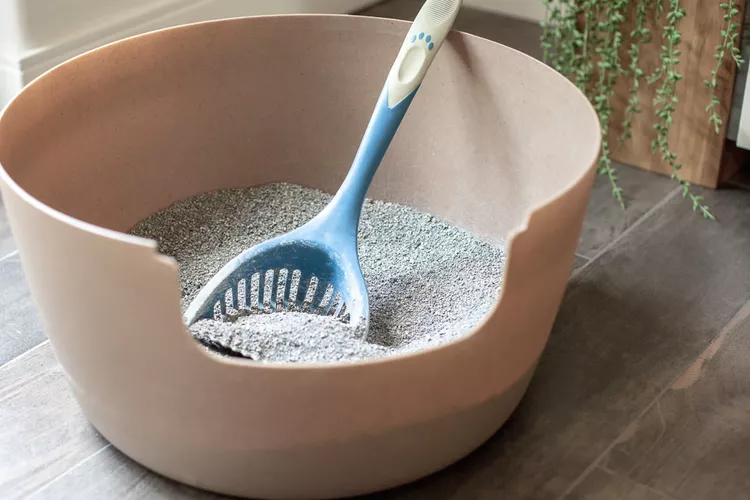
How to Dispose of Cat Litter
Cleaning cat litter is a necessary chore for all cat owners, but what's the best way to dispose of it? Generally, flushing is not a safe option.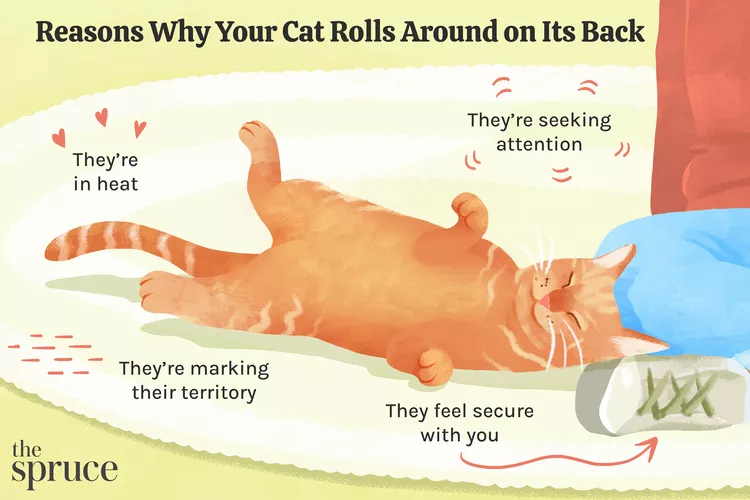
Why Your Cat Is Rolling Around on Its Back
When your cat rolls on its back, it could be telling you something. Rolling can signal the cat feels safe and might want some attention from you.
What Your Cat Is Saying With Its Eyes
Understand how cats communicate with their eyes, from arousal and trust to dominance and aggression.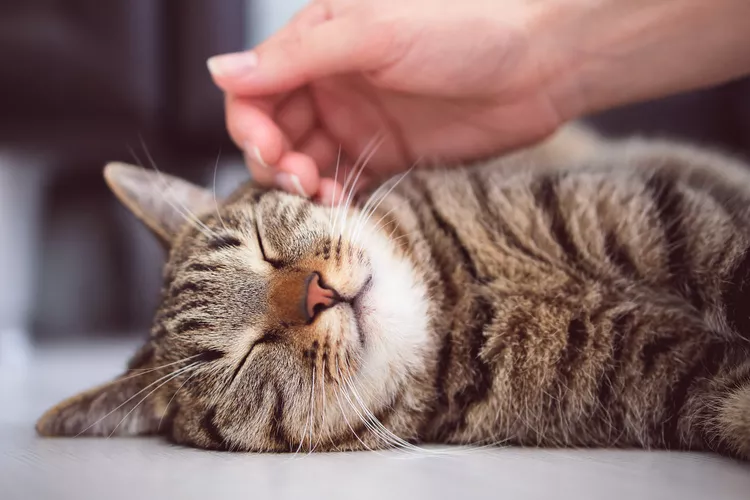
Why Cats Like Being Pet
Why do some cats enjoy being pet and others don't? Learn why certain cats want you to pet them while others just want to be left untouched.
100+ White Cat Names
White cat names can pay homage to their wintry fur, like Snowflake or Frosty, but can also be playful, such as Marshmallow, or elegant, like Pearl.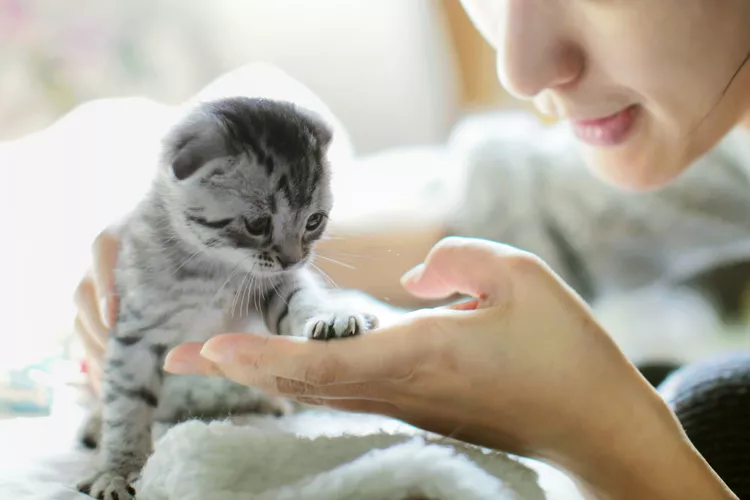
The First 30 Days With Your New Kitten
The first month is full of changes and excitement for a kitten in a new home. Find out what to expect and what you can do for your new feline friend.
What Is the Difference Between Cat Hair and Fur?
Is there a difference between cat hair and cat fur? Learn the correct terminology and about five different kinds of hair found on your feline.
Explore the Sources of Your Cat's Personality
What influences your cat's personality? Genetics, history, and environmental factors can contribute to your cat's mannerisms and moodiness.
15 Best Movie-Inspired Cat Names
If you are bringing home a kitty and you are a big movie buff, then a cinematic cat name might be right up your alley for your new feline friend.
10 Most Intelligent Cat Breeds
Looking for a smart cat? Learn about the pros and cons of 10 intelligent cat breeds, including Burmese and Siamese, to decide if one is right for you.
8 Cute Pictures of Norwegian Forest Cats
Learn about the history of Norwegian forest cats, and check out cute pictures of Norway's national cat.
12 Fluffy Cat Breeds Perfect for Endless Cuddles
If you like long-haired cats and don't mind daily (or almost daily) brushing, you’ll love these fluffy cat breeds.
Feline Breeds, Domestic Shorthair Cats, and Color Patterns
Cat lovers often are confused about identifying terms, such as purebred, DSH, and tabby. Learn more about the differences between these terms.
Havana Brown: Cat Breed Profile
The Havana Brown is a beautiful and rare cat breed with an interesting background.
Bambino: Cat Breed Profile, Characteristics & Care
The bambino cat is a controversial cross between a hairless sphynx and the short-legged munchkin. Learn about the bambino breed.
11 Cute Pictures of Ragdoll Cats
Ragdoll cats are known for their beautiful coats and bright, blue eyes. Learn all about the breed, and check out some cute pictures here.
Pictures and Facts About Bengal Cats and Kittens
Bengal cats are a cross between wild cats and domestic cats. Learn more about what they look like and pictures of this beautiful spotted breed.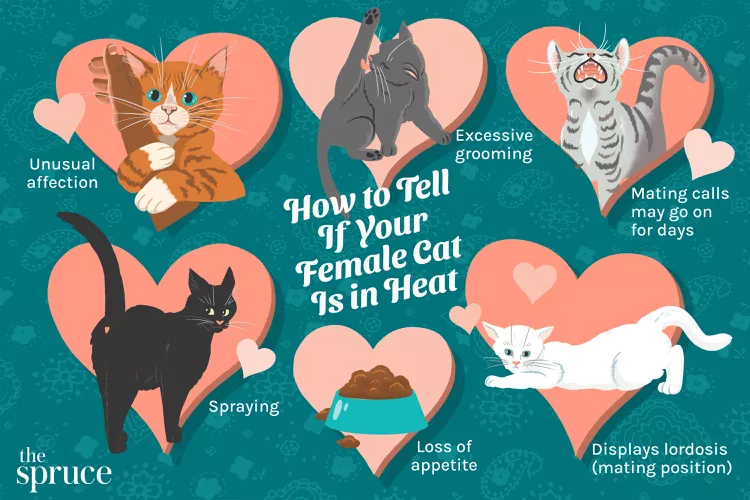
Signs of Heat in Cats
A cat in heat will show several physical and behavioral signs. Here's how to tell if your cat is in heat and how to care for her during this time. Learn the signs and how to prevent pregnancy, even if her cycle has begun.
Why Is My Dog’s Ear Swollen? Causes and Treatment of Ear Hematoma
If your dog’s ear is swollen, it could indicate an ear hematoma. Learn the primary causes and treatments for ear hematomas in dogs straight from a veterinarian.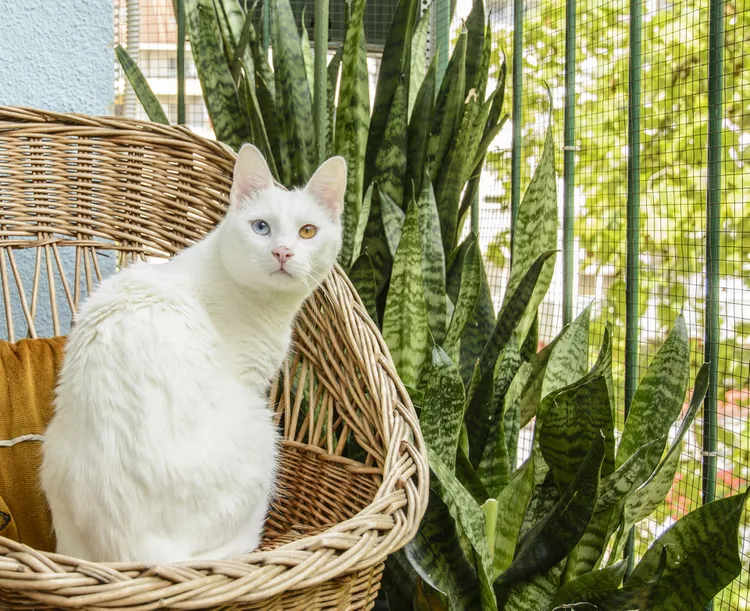
Are Snake Plants Toxic to Cats?
Snake plants can be toxic to cats, depending on the amount of plant ingested and other factors. If you suspect your cat has ingested any amount of a snake plant, seek veterinary attention immediately to prevent serious complications.



:strip_icc():format(webp)/DevonRex-ecde6663c6f04487be7e8b76584fe8ff.jpg)