The red cat is a common type that is always tabby in pattern, and males far outnumber females. They are more commonly called orange, ginger, marmalade, yellow, butter, caramel, or butterscotch.
Red cats are not their own breed and you can find them in many cat breeds as well as moggies (cats with no pedigree). They may be shorthair or longhair cats. If you are looking for a lovely ginger cat, you will have a wide variety of breeds and coats to choose from. You may want a red cat that has tiger stripes or one with spots or patches.
Many people believe that red cats have warm personalities that match their coat color, thinking they tend to be mellow, loving cats. However, cats are individuals and you may find yours to be a bossy alpha cat or one with a fiery, hot temper. Cat personalities are not as typically linked to breeds as are those of dogs. They haven't been bred for skills and temperaments as dogs have. But if you are looking for a specific personality, start with researching what is usual for different cat breeds.
The reason a cat is red lies in the genes and chromosomes the cat has inherited. The study of genetics is so complicated and detailed that it takes many years of concentrated study to come even close to mastering it. The red color gene O codes for the production of the red pigment phaeomelanin. It is dominant, so it masks all of the other colors (such as black and variants of black).
The primary red color gene is carried on the X chromosome, and it is therefore sex-linked. A male cat usually has only one X chromosome as it is paired with the Y chromosome and males are XY. A female cat has two X chromosomes and are XX.
The red gene may be the O variant, producing red pigment, or the o variant that does not. If a male inherits the O variant from his mother, he will be red. If he inherits the o, he instead can express the black pigment coded on other genes. He won't ever be both red and black (which would make him calico or tortoiseshell), except in unusual cases of inheriting multiple X chromosomes or merging with a twin before birth.
Females who have O on each of their X chromosomes (OO) will be red. If they are Oo, they will be calico or tortoiseshell and have both red and black markings. If they are oo, they will be black. Because there are these different possible combinations, females have less of a chance of being only red than males do. About 80 percent of red cats are male and only 20 percent are female.
A male red cat can only be born from a mother who is red, calico, or tortoiseshell. A female red cat can only be born from a cross between a male red cat and a female red, calico, or tortoiseshell cat.
When a cat has the dilute gene, which is separate from the color gene, they have a lighter shade of red that looks like a creamy buff.
All red cats are tabby cats. The agouti gene determines whether a cat has a tabby pattern or not, but the non-agouti gene doesn't work when the red pigment is expressed. Although some red cats (usually dilutes) may appear to be a solid color, upon closer examination, you will see the pale stripes, whorls, or spots of the tabby. You will also see the distinctive tabby facial markings, including the magnificent "M" of tabby cats.
Red kittens usually have more obvious tabby markings. These may fade or disappear as they grow into adult cats.
The tabby patterns include:
While kittens start off with blue eyes, they will usually produce other colors as they mature. The eyes of red cats eyes may be green, gold, or copper. Many have golden or topaz eyes.
Whether you call them red, marmalade, or orange, these sunshine cats will go a long way in brightening and lightening your home and your life.
No, red is a very common color for tabbies.
It's a difference in name only. Red tabbies are also called marmalades or gingers.
Most are, about 80 percent, leaving 20 percent to be females.
How to Dispose of Cat Litter
Cleaning cat litter is a necessary chore for all cat owners, but what's the best way to dispose of it? Generally, flushing is not a safe option.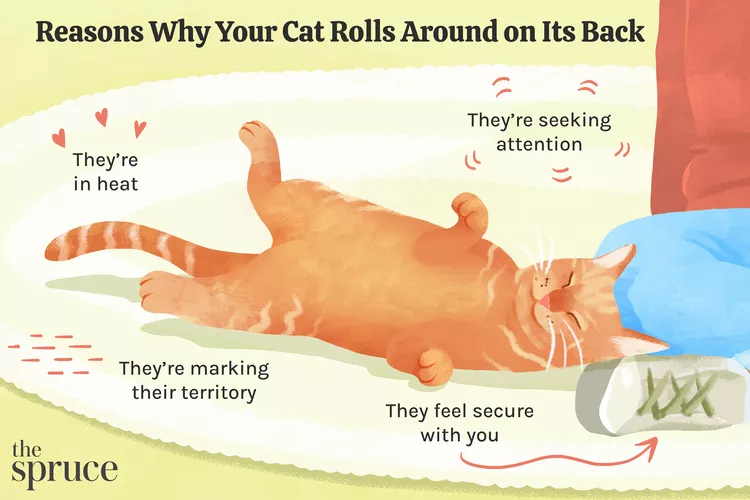
Why Your Cat Is Rolling Around on Its Back
When your cat rolls on its back, it could be telling you something. Rolling can signal the cat feels safe and might want some attention from you.
What Your Cat Is Saying With Its Eyes
Understand how cats communicate with their eyes, from arousal and trust to dominance and aggression.
Why Cats Like Being Pet
Why do some cats enjoy being pet and others don't? Learn why certain cats want you to pet them while others just want to be left untouched.
100+ White Cat Names
White cat names can pay homage to their wintry fur, like Snowflake or Frosty, but can also be playful, such as Marshmallow, or elegant, like Pearl.
The First 30 Days With Your New Kitten
The first month is full of changes and excitement for a kitten in a new home. Find out what to expect and what you can do for your new feline friend.
What Is the Difference Between Cat Hair and Fur?
Is there a difference between cat hair and cat fur? Learn the correct terminology and about five different kinds of hair found on your feline.
Explore the Sources of Your Cat's Personality
What influences your cat's personality? Genetics, history, and environmental factors can contribute to your cat's mannerisms and moodiness.
15 Best Movie-Inspired Cat Names
If you are bringing home a kitty and you are a big movie buff, then a cinematic cat name might be right up your alley for your new feline friend.
10 Most Intelligent Cat Breeds
Looking for a smart cat? Learn about the pros and cons of 10 intelligent cat breeds, including Burmese and Siamese, to decide if one is right for you.
8 Cute Pictures of Norwegian Forest Cats
Learn about the history of Norwegian forest cats, and check out cute pictures of Norway's national cat.
12 Fluffy Cat Breeds Perfect for Endless Cuddles
If you like long-haired cats and don't mind daily (or almost daily) brushing, you’ll love these fluffy cat breeds.
Feline Breeds, Domestic Shorthair Cats, and Color Patterns
Cat lovers often are confused about identifying terms, such as purebred, DSH, and tabby. Learn more about the differences between these terms.
Havana Brown: Cat Breed Profile
The Havana Brown is a beautiful and rare cat breed with an interesting background.
Bambino: Cat Breed Profile, Characteristics & Care
The bambino cat is a controversial cross between a hairless sphynx and the short-legged munchkin. Learn about the bambino breed.
11 Cute Pictures of Ragdoll Cats
Ragdoll cats are known for their beautiful coats and bright, blue eyes. Learn all about the breed, and check out some cute pictures here.
Pictures and Facts About Bengal Cats and Kittens
Bengal cats are a cross between wild cats and domestic cats. Learn more about what they look like and pictures of this beautiful spotted breed.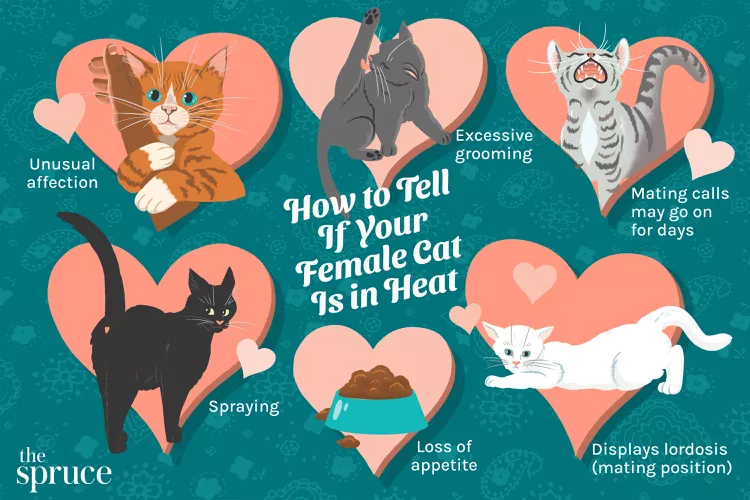
Signs of Heat in Cats
A cat in heat will show several physical and behavioral signs. Here's how to tell if your cat is in heat and how to care for her during this time. Learn the signs and how to prevent pregnancy, even if her cycle has begun.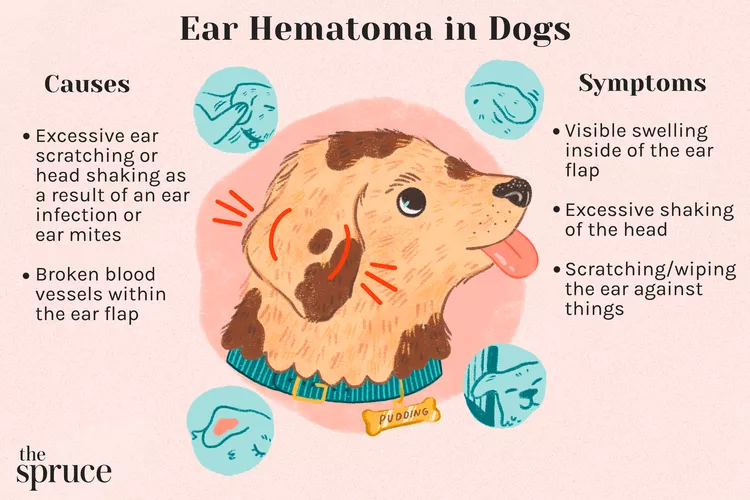
Why Is My Dog’s Ear Swollen? Causes and Treatment of Ear Hematoma
If your dog’s ear is swollen, it could indicate an ear hematoma. Learn the primary causes and treatments for ear hematomas in dogs straight from a veterinarian.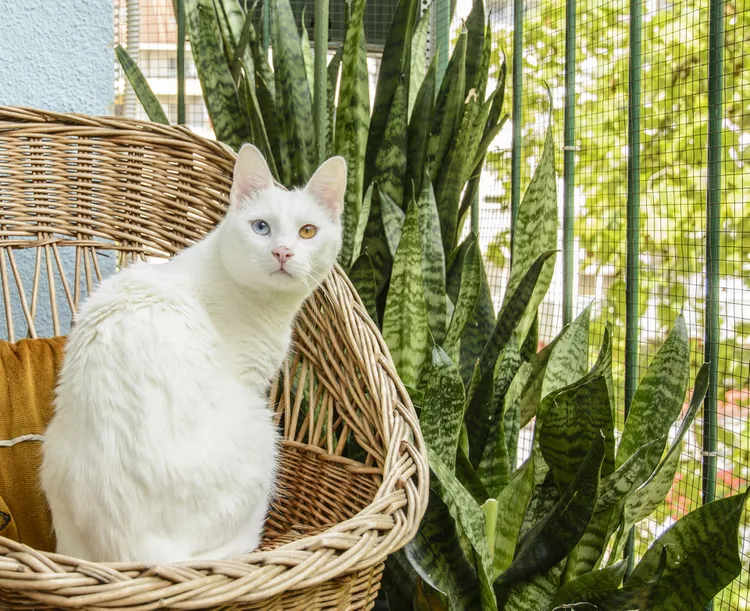
Are Snake Plants Toxic to Cats?
Snake plants can be toxic to cats, depending on the amount of plant ingested and other factors. If you suspect your cat has ingested any amount of a snake plant, seek veterinary attention immediately to prevent serious complications.