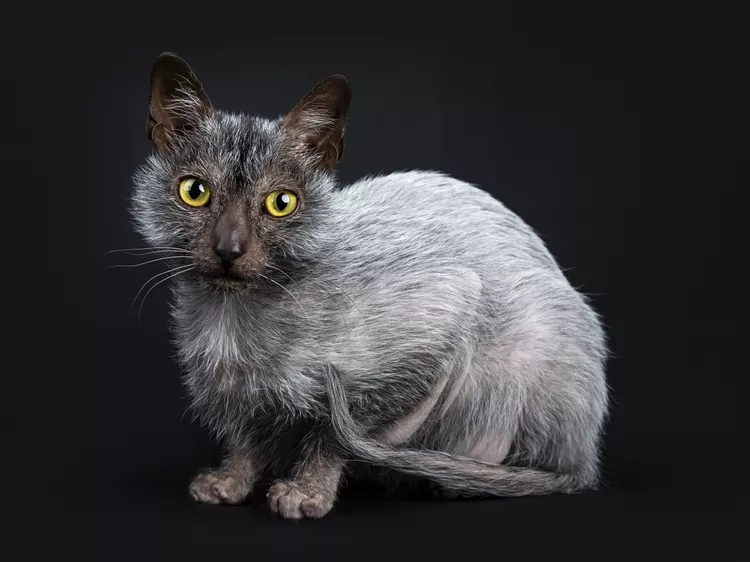
With a unique, partially hairless coat that lends a wolfish appearance, the lykoi looks like no other cat breed. Lykoi also have a hairless mask that connects the nose, muzzle, eyes, and ears, further suggesting the appearance of a werewolf. It should come as no surprise, then, that the breed name was derived from the Greek word "lycos," which means wolf.
According to the breed standard, the Lykoi’s coat should look like that of an opossum. The Lykoi’s coat seems like it would feel rough and wiry, but it’s actually soft and silky to the touch. There is no undercoat, and the guard hairs grow in varying amounts, which differs among individual cats and also throughout the year. Although some Lykoi are almost entirely hairless at times, in the show ring, more coat is preferable to less coat.
Lykoi should have roaning, which is a color pattern consisting of a mixture of pigmented hairs and non-pigmented white hairs (amelanistic hairs). Roaning is best seen on solid-colored cats, especially black roan.
Wolf-like looks aside, the Lykoi is far from scary. This is an outgoing, friendly breed that’s happy to meet new people and play. They are loyal and bond closely with their favorite humans. Lykoi are wonderful family cats that do best when kept indoors. If allowed to roam outdoors, their sparse hair coat makes this breed prone to sunburn and skin damage.
OTHER NAMES: Wolf cat or werewolf cat
PERSONALITY: Friendly, outgoing and playful
WEIGHT: About 6 to 12 pounds
LENGTH: About 11 to 14 inches.
COAT LENGTH: Hairless, short
COAT COLOR: Black/ebony in solid or color point patterns
EYE COLOR: Gold preferred
LIFE EXPECTANCY: 15 to 20 years
HYPOALLERGENIC: No
ORIGIN: United States
The Lykoi is an extremely outgoing and sociable cat breed. The breed is known for getting along well with people of all ages, other cats, and even dogs (those that are gentle with cats). Lykoi love to play! They, of course, enjoy playing with their people, but they will also happily play with other cats or even by themselves if need be. Many even like to pay fetch just like a dog. Once they burn off some energy, Lykoi might pause for a few snuggles, but they will likely be off again in search of entertainment before too long. This breed should be kept strictly indoors due to their sparse hair coat. Like fully hairless cats, Lykoi are prone to sunburn and may also cut or scrape their skin if climbing around outside. They can also get chilled quickly if outdoors in cold temperatures and are at risk of hypothermia.
The Lykoi is the result of a natural mutation that occurred amongst cats in a feral cat colony in the United States. Between 2010 and 2011, a few breeders health tested some of these cats and experimented with breeding. They discovered the gene for the partial hairlessness was recessive, so they outcrossed the Lykoi-type cats with black domestic cats to reduce genetic inbreeding. Lykoi may still be outcrossed with domestic shorthair cats today.
The Lykoi's unique coat doesn’t shed much and doesn’t need a lot of brushing, but it requires some special care. If you do brush, be sure the bristles are extremely soft to avoid scratching their delicate skin. Before buying a brush, test the bristles against the skin of your forearm to ensure they are soft enough.
Like fully hairless breeds, Lykoi need more frequent bathing than you might expect for a cat. Bathing with a moisturizing shampoo removes excess oils from the skin and prevents clogged pores, which can lead to blackheads—a form of acne. How often your Lykoi needs a bath varies from cat to cat. Ask your breeder or veterinary for advice on how frequently to wash your Lykoi and what shampoo to use.
Trim your Lykoi’s nails once a week or every other week to keep them short. Also get into the habit of looking inside the ears at bath time. If you see any wax or dirt, use a pet ear cleaner and cotton balls to clean the ears (never stick anything into the ear such as a cotton swab, which could damage your cat’s ear drum). If the ears look red or excessively dirty, schedule a checkup with your veterinarian.
Lykoi are extremely active, so make sure they have plenty of toys and places to climb and explore. If you provide enough toys, Lykoi are happy to play with anyone—you, another cat, even by themselves. Rotate the toys occasionally, putting some away and bringing different ones out to keep things interesting. Provide various scratchers in approved scratching areas in your house, trying both vertical scratchers (such as tall posts or cat trees) and horizontal scratchers (such as cardboard or sisal scratchers that lie flat on the ground).
Some purebred cats are more prone to developing certain breed-specific diseases. Lykoi have no known health concerns besides skin problems, though Lykoi cat breeders have their adult cats screened for good health and various problems common in cats prior to breeding them to keep from passing unwanted health issues on to kittens.
The Lykoi is a medium-sized cat with a unique, partially hairless roan coat and hairless mask on the face that lends a werewolf-life appearance. The ears are large and hairless, and the eyes are medium and oval to round, with hairless rims. The nose is hairless. The Lykoi is slender with solid medium boning. The hair coat is sparse, with no undercoat. The coat of the black roan Lykoi is a mixture of solid black and solid white hairs, which contributes to the cat’s wolfish look.
As with all cats, the Lykoi should not be allowed to become overweight, which can lead to obesity-related health issues like diabetes and heart disease. To keep your Lykoi lean, feed adults measured meals twice a day rather than free feeding (keeping the food bowl filled all the time). Young kittens should eat three times a day. If you’re not sure what to feed or how much food your Lykoi should be eating, talk to your veterinarian.
The Lykoi is extremely rare. If you long to purchase a Lykoi kitten, prepare to get on a long waiting list. The Cat Fanciers' Association and The International Cat Association both list active Lykoi breeders on their respective websites. It’s unlikely that you would find an adult or kitten Lykoi in an animal shelter or rescue group, but breeders might know of someone looking to re-home their adult Lykoi. It’s also possible, though rare, to find a domestic shorthair with a Lykoi-like genetic mutation in a shelter or with a rescue group.
The Lykoi’s werewolf appearance is a definite conversation starter, and people eventually fall in love with this breed’s sweet, fun personality. Happiest when playing with you, the Lykoi is neither independent nor shy but a ball of fun-loving energy. They get along great with almost anybody, human and animal, and just want to be part of the action. They might swing by for a quick cuddle if your lap, especially if it’s cold out, but they will soon be off looking for their next adventure.
Friendly, outgoing and playful
Gets along with kids, cats and dogs
Does not shed much
May pester you for attention
Doesn’t do well if left alone for long periods
Need frequent bathing
If you like the Lykoi cat, you might also like these cat breeds:
· Donskoy
· Sphynx

How to Dispose of Cat Litter
Cleaning cat litter is a necessary chore for all cat owners, but what's the best way to dispose of it? Generally, flushing is not a safe option.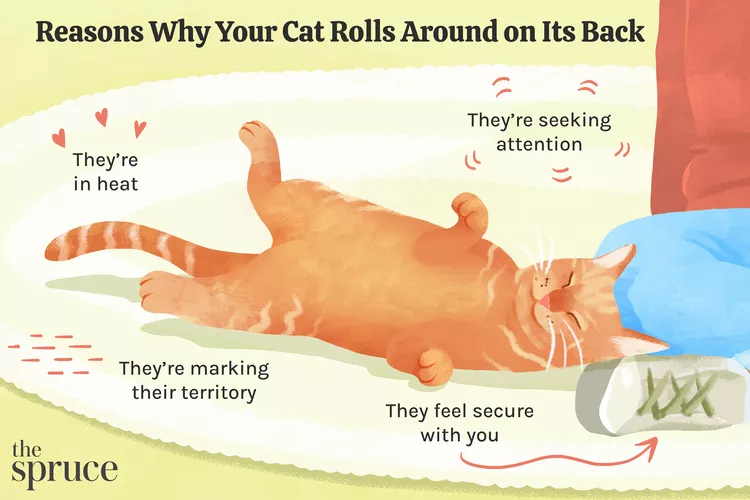
Why Your Cat Is Rolling Around on Its Back
When your cat rolls on its back, it could be telling you something. Rolling can signal the cat feels safe and might want some attention from you.
What Your Cat Is Saying With Its Eyes
Understand how cats communicate with their eyes, from arousal and trust to dominance and aggression.
Why Cats Like Being Pet
Why do some cats enjoy being pet and others don't? Learn why certain cats want you to pet them while others just want to be left untouched.
100+ White Cat Names
White cat names can pay homage to their wintry fur, like Snowflake or Frosty, but can also be playful, such as Marshmallow, or elegant, like Pearl.
The First 30 Days With Your New Kitten
The first month is full of changes and excitement for a kitten in a new home. Find out what to expect and what you can do for your new feline friend.
What Is the Difference Between Cat Hair and Fur?
Is there a difference between cat hair and cat fur? Learn the correct terminology and about five different kinds of hair found on your feline.
Explore the Sources of Your Cat's Personality
What influences your cat's personality? Genetics, history, and environmental factors can contribute to your cat's mannerisms and moodiness.
15 Best Movie-Inspired Cat Names
If you are bringing home a kitty and you are a big movie buff, then a cinematic cat name might be right up your alley for your new feline friend.
10 Most Intelligent Cat Breeds
Looking for a smart cat? Learn about the pros and cons of 10 intelligent cat breeds, including Burmese and Siamese, to decide if one is right for you.
8 Cute Pictures of Norwegian Forest Cats
Learn about the history of Norwegian forest cats, and check out cute pictures of Norway's national cat.
12 Fluffy Cat Breeds Perfect for Endless Cuddles
If you like long-haired cats and don't mind daily (or almost daily) brushing, you’ll love these fluffy cat breeds.
Feline Breeds, Domestic Shorthair Cats, and Color Patterns
Cat lovers often are confused about identifying terms, such as purebred, DSH, and tabby. Learn more about the differences between these terms.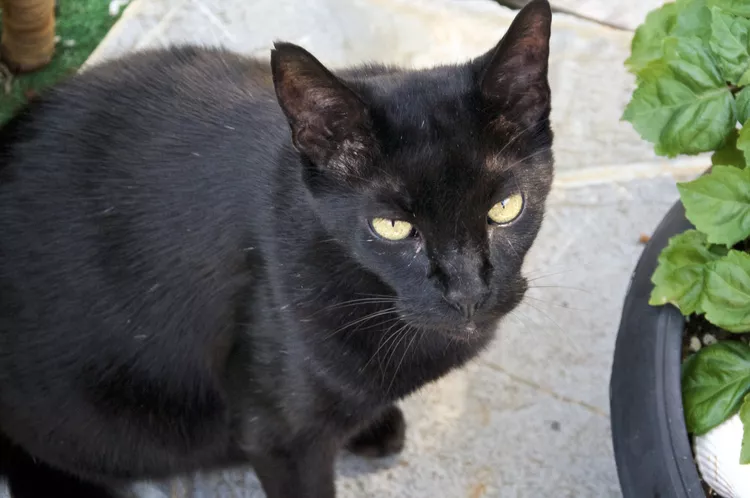
Havana Brown: Cat Breed Profile
The Havana Brown is a beautiful and rare cat breed with an interesting background.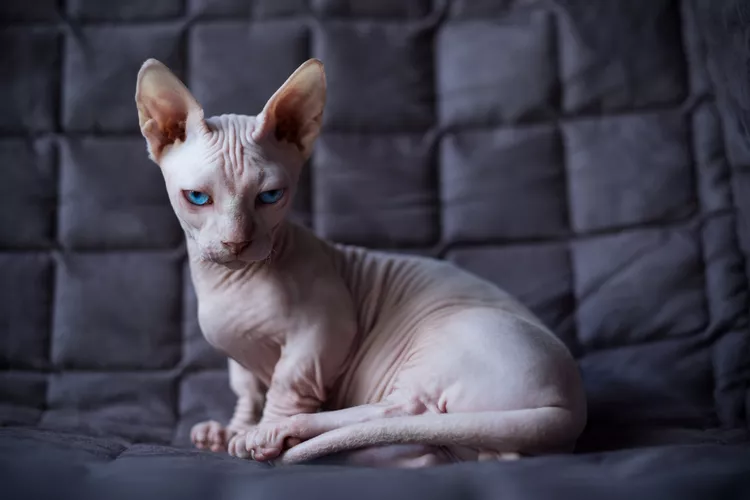
Bambino: Cat Breed Profile, Characteristics & Care
The bambino cat is a controversial cross between a hairless sphynx and the short-legged munchkin. Learn about the bambino breed.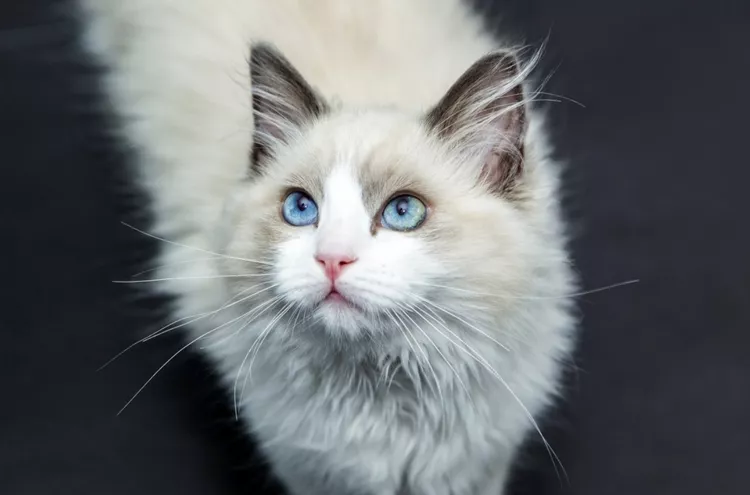
11 Cute Pictures of Ragdoll Cats
Ragdoll cats are known for their beautiful coats and bright, blue eyes. Learn all about the breed, and check out some cute pictures here.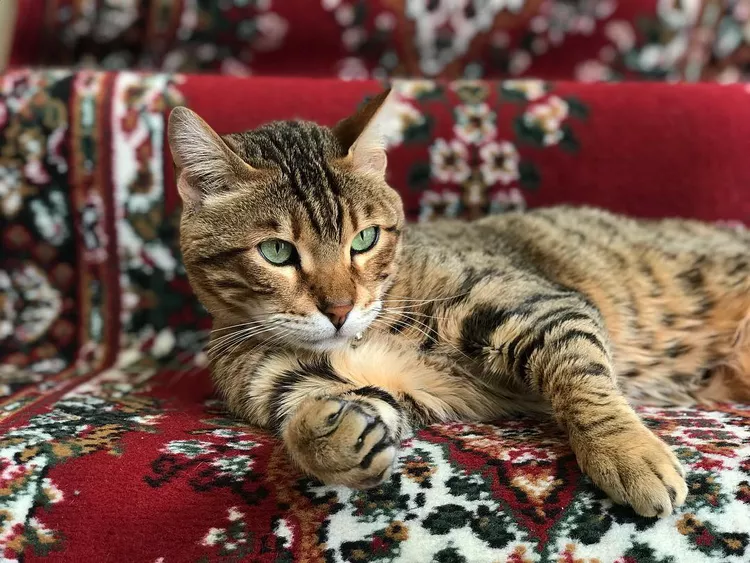
Pictures and Facts About Bengal Cats and Kittens
Bengal cats are a cross between wild cats and domestic cats. Learn more about what they look like and pictures of this beautiful spotted breed.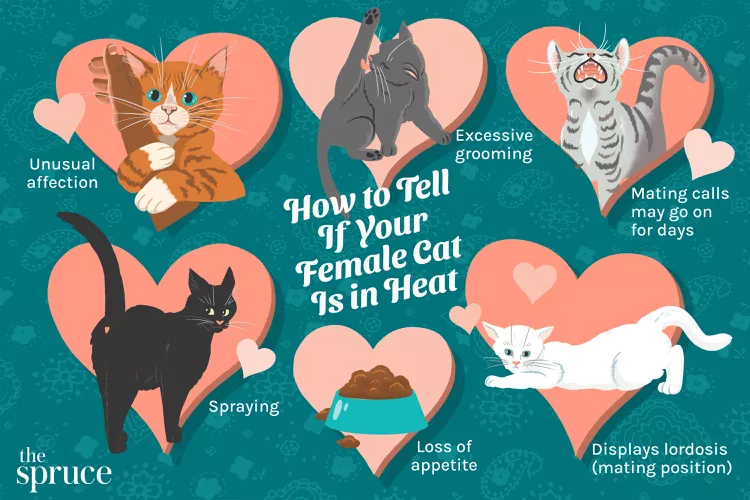
Signs of Heat in Cats
A cat in heat will show several physical and behavioral signs. Here's how to tell if your cat is in heat and how to care for her during this time. Learn the signs and how to prevent pregnancy, even if her cycle has begun.
Why Is My Dog’s Ear Swollen? Causes and Treatment of Ear Hematoma
If your dog’s ear is swollen, it could indicate an ear hematoma. Learn the primary causes and treatments for ear hematomas in dogs straight from a veterinarian.
Are Snake Plants Toxic to Cats?
Snake plants can be toxic to cats, depending on the amount of plant ingested and other factors. If you suspect your cat has ingested any amount of a snake plant, seek veterinary attention immediately to prevent serious complications.