
One of the oldest cat breeds, the Cymric is a long-haired variety of Manx. Besides their hair length, the Cymric and Manx are virtually identical—both have rounded features and naturally short tails. These slow-to-mature breeds also share playful, kitten-like personalities that persist into adulthood. The Cymric and Manx are so genetically similar that Manx kittens may appear in Cymric litters and vice versa.
Other Names: Longhair Manx
Personality: Friendly, playful, kittenish, sociable
Weight: Up to 12 pounds
Length: Up to 18 inches
Coat Length: Long hair
Coat Colors: Any color except chocolate or lavender
Coat Patterns: Any pattern except Himalayan or patterns mixed with white
Eye Color: Any
Lifespan: Up to 15 years
Hypoallergenic: No
Origin: Isle of Man
The Cymric is a slow-growing cat, taking up to two years to fully mature. Even when it is an adult, this medium-sized cat continues to act like a playful kitten. Its friendly personality makes it a great pet for most people, including families with kids and other pets.
The Cymric evolved on the Isle of Man, an island located in the middle of the Irish Sea, with the Manx breed. The first felines arrived on the island via ship, but no one knows where they originated.
Sometime in the late 18th century, a spontaneous natural mutation occurred in a litter of kittens—they were born without tails. Within the island's limited gene pool, the mutation passed to more and more cats until the Manx breed and its long-haired variant, the Cymric, became well-established.
Manx cats were part of the earliest cat shows in the 1800s, but the long-haired variety was not as well-known. Later, the long-haired Manx became known as the Cymric, which means “relating to Wales,” the country near the Isle of Man where many long-haired tailless cats were found.
Various cat registries recognize the Cymric differently. For instance, the Cat Fanciers’ Association considers the breed to be a long-haired variety of the Manx breed. The CFA calls the breed Longhair Manx, and it follows the Manx breed standard, which includes both Shorthair Manx and Longhair Manx. The International Cat Association and the Canadian Cat Association both recognize the Cymric as a separate breed from the Manx. Both TICA and the CCA have established a unique breed standard for the Cymric.
The Cymric's medium-length, dense, double coat sheds moderately. To keep the coat glossy, brush two or three times a week and bathe occasionally if the coat feels greasy or starts to clump.
Keep your Cymric’s nails trimmed short and check the ears occasionally, cleaning with a cotton ball and pet-safe cleaner if you see dirt or debris.
Cymric cats are intelligent and playful. Some are even known to play fetch with toys. Help your Cymric get enough exercise by encouraging play with a variety of fun and stimulating toys and climbing opportunities, including feather wands to chase and cat towers to climb. Cymric cats are people-oriented, so they don’t do well when left alone for long.
Cymric cats and Manx share the same health concerns. The gene that causes the Cymric and Manx to be tailless is associated with spinal defects like spina bifida, which can cause neurological issues—difficulty moving normally or elimination difficulty. Such problems are typically noticed early (before six months of age). Depending on the severity of the condition, the kitten may need to be humanely euthanized.
The Cymric is a medium-sized cat with rounded features: a round head with round cheeks and muzzle, round eyes, and a short and round body with an arched back and even a rounded rump (accentuated by taillessness). When picked up, the well-muscled Cymric feels heavy for its size.
In the ideal specimen, the lack of tail appears to be absolute, although some cats may have a slight rise of bone at the end of the spine. Some kittens are born with stubby tails and even full-length tails, although this is a disqualification in the show ring.
The Cymric's medium-length, dense, double coat is longer on the shoulders, chest, neck, belly, and back of the legs. The full, plush coat feels soft and silky to the touch.
With cat obesity at an all-time high. and the Cymric's already round build, it’s important not to overfeed your cat. Staying lean will help prevent weight-related health issues like diabetes, heart disease, and arthritis. Feed measured amounts of cat food at regular meal times two to three times a day.
Leaving food out all day (free feeding) might be easy, but it can lead to continuous snacking, which can contribute to an overweight cat. Ask your veterinarian or breeder about the best food to feed your Cymric.
If you’re thinking about buying a Cymric kitten, a great place to meet local breeders is a cat show. Cat shows are a fun place to see many different cat breeds all under one roof. To find a cat show in your area, do an internet search for “cat show near me” or visit http://www.catshows.us.
Make sure to investigate breeders and request a guarantee of spinal health. Irresponsible breeders are more like to use unhealthy cats in their operations, increasing the likelihood of spinal problems.
Some Cymric or Cymric-mix cats, usually adults, might end up in rescues. Check with local cat-specific rescue groups or even local shelters.
The cute, rounded Cymric is a slow-growing Welsh cat with an endearing kittenish personality. This long-haired Manx variety is tailless due to a natural genetic mutation that occurred early in its history, but the trait is linked to spinal problems that are most prevalent in irresponsibly bred cats.
Cymrics enjoy company and adapt well to households with kids and other pets. They don't like much alone time, though, and love playtime with their companions.
Friendly and affectionate
Playful and engaging
Unique, tailless appearance
Some are born with spinal problems
Don’t do well if left alone for long
Requires regular brushing
If you’re interested in similar breeds, check out:
Otherwise, check out all of our other cat breed profiles.
Yes—Cymric are Manx cats with long hair. Both of these breeds are tailless due to a natural genetic mutation.
They are generally healthy but some may be prone to spinal problems linked to the gene for taillessness.
Cymrics are relatively inexpensive purebred cats, ranging from $300 to $600.

How to Dispose of Cat Litter
Cleaning cat litter is a necessary chore for all cat owners, but what's the best way to dispose of it? Generally, flushing is not a safe option.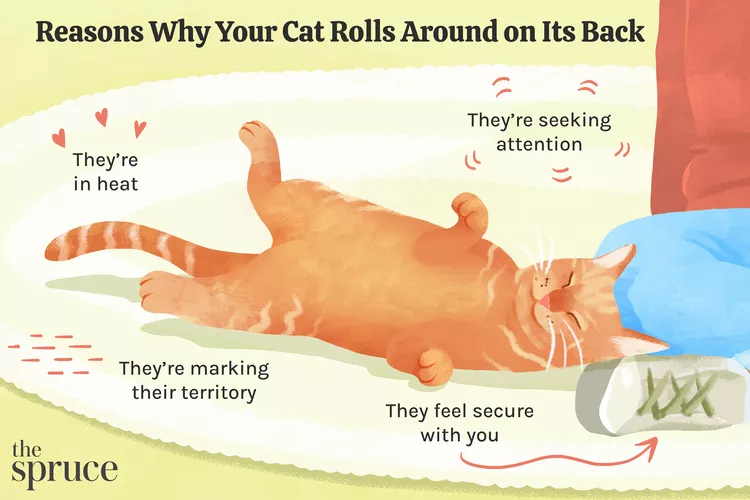
Why Your Cat Is Rolling Around on Its Back
When your cat rolls on its back, it could be telling you something. Rolling can signal the cat feels safe and might want some attention from you.
What Your Cat Is Saying With Its Eyes
Understand how cats communicate with their eyes, from arousal and trust to dominance and aggression.
Why Cats Like Being Pet
Why do some cats enjoy being pet and others don't? Learn why certain cats want you to pet them while others just want to be left untouched.
100+ White Cat Names
White cat names can pay homage to their wintry fur, like Snowflake or Frosty, but can also be playful, such as Marshmallow, or elegant, like Pearl.
The First 30 Days With Your New Kitten
The first month is full of changes and excitement for a kitten in a new home. Find out what to expect and what you can do for your new feline friend.
What Is the Difference Between Cat Hair and Fur?
Is there a difference between cat hair and cat fur? Learn the correct terminology and about five different kinds of hair found on your feline.
Explore the Sources of Your Cat's Personality
What influences your cat's personality? Genetics, history, and environmental factors can contribute to your cat's mannerisms and moodiness.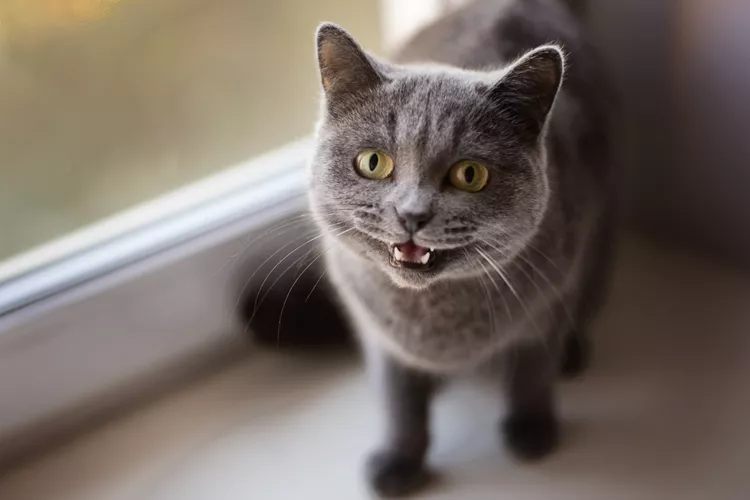
15 Best Movie-Inspired Cat Names
If you are bringing home a kitty and you are a big movie buff, then a cinematic cat name might be right up your alley for your new feline friend.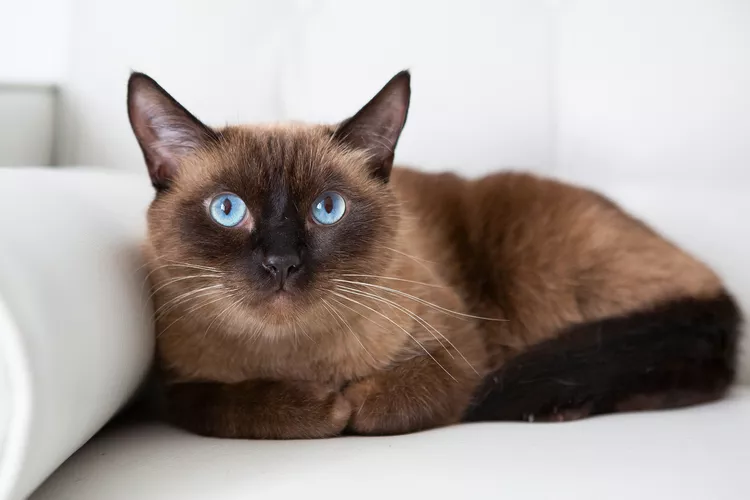
10 Most Intelligent Cat Breeds
Looking for a smart cat? Learn about the pros and cons of 10 intelligent cat breeds, including Burmese and Siamese, to decide if one is right for you.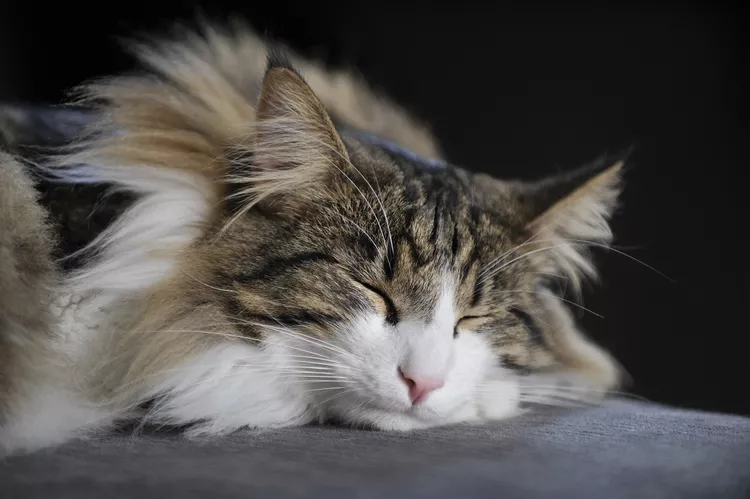
8 Cute Pictures of Norwegian Forest Cats
Learn about the history of Norwegian forest cats, and check out cute pictures of Norway's national cat.
12 Fluffy Cat Breeds Perfect for Endless Cuddles
If you like long-haired cats and don't mind daily (or almost daily) brushing, you’ll love these fluffy cat breeds.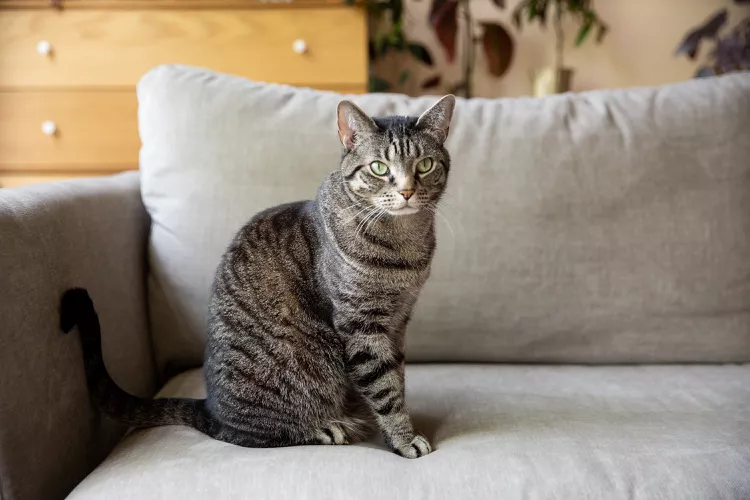
Feline Breeds, Domestic Shorthair Cats, and Color Patterns
Cat lovers often are confused about identifying terms, such as purebred, DSH, and tabby. Learn more about the differences between these terms.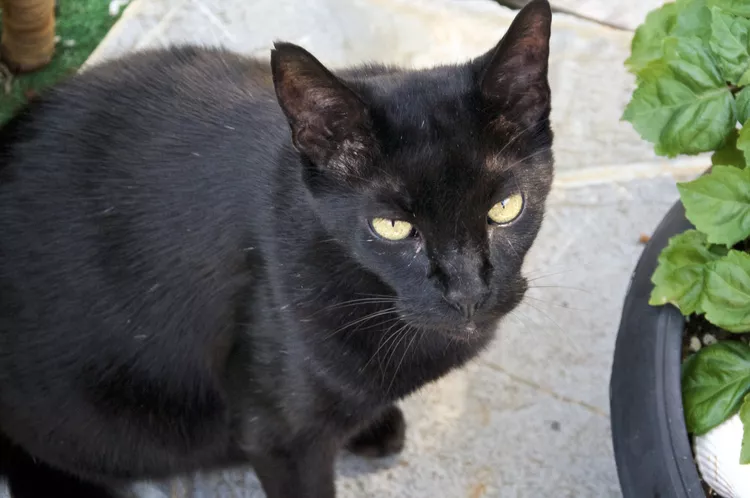
Havana Brown: Cat Breed Profile
The Havana Brown is a beautiful and rare cat breed with an interesting background.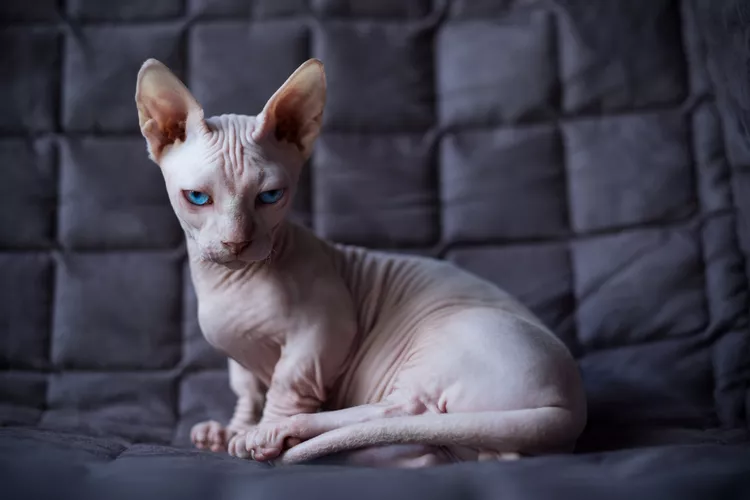
Bambino: Cat Breed Profile, Characteristics & Care
The bambino cat is a controversial cross between a hairless sphynx and the short-legged munchkin. Learn about the bambino breed.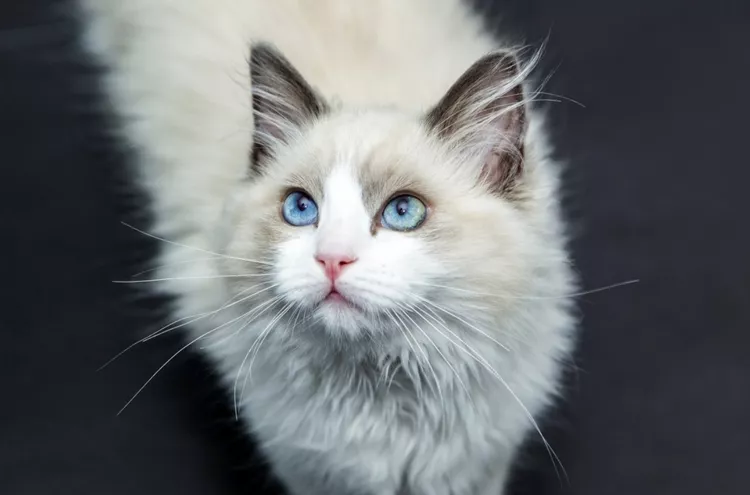
11 Cute Pictures of Ragdoll Cats
Ragdoll cats are known for their beautiful coats and bright, blue eyes. Learn all about the breed, and check out some cute pictures here.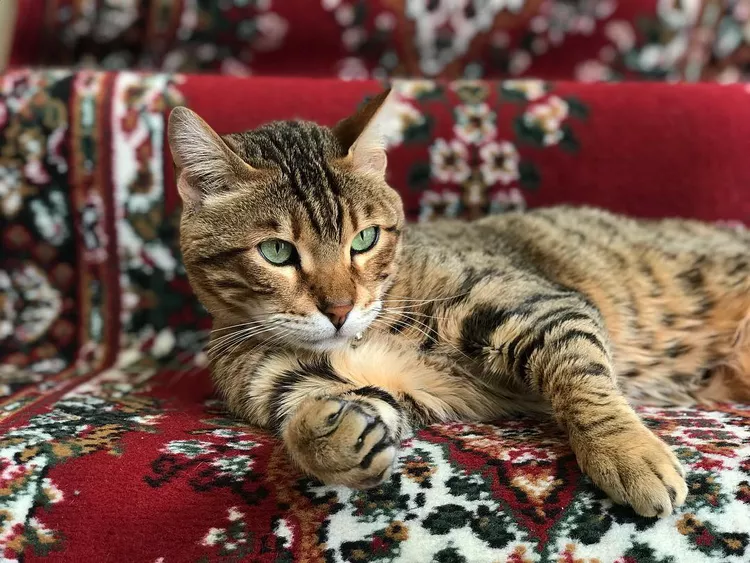
Pictures and Facts About Bengal Cats and Kittens
Bengal cats are a cross between wild cats and domestic cats. Learn more about what they look like and pictures of this beautiful spotted breed.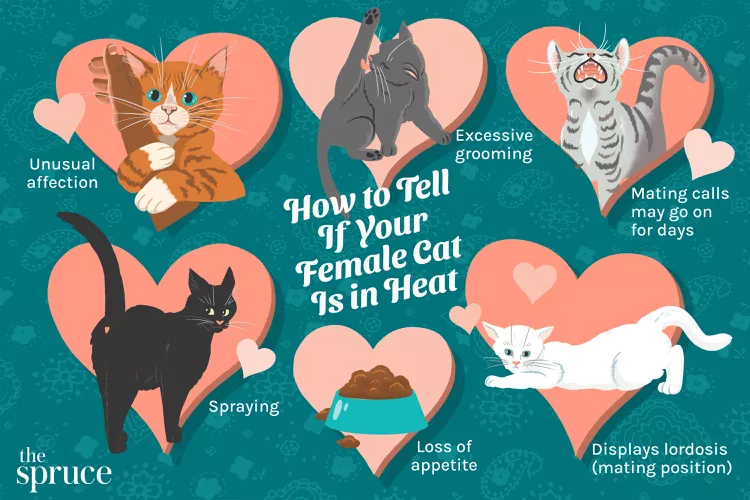
Signs of Heat in Cats
A cat in heat will show several physical and behavioral signs. Here's how to tell if your cat is in heat and how to care for her during this time. Learn the signs and how to prevent pregnancy, even if her cycle has begun.
Why Is My Dog’s Ear Swollen? Causes and Treatment of Ear Hematoma
If your dog’s ear is swollen, it could indicate an ear hematoma. Learn the primary causes and treatments for ear hematomas in dogs straight from a veterinarian.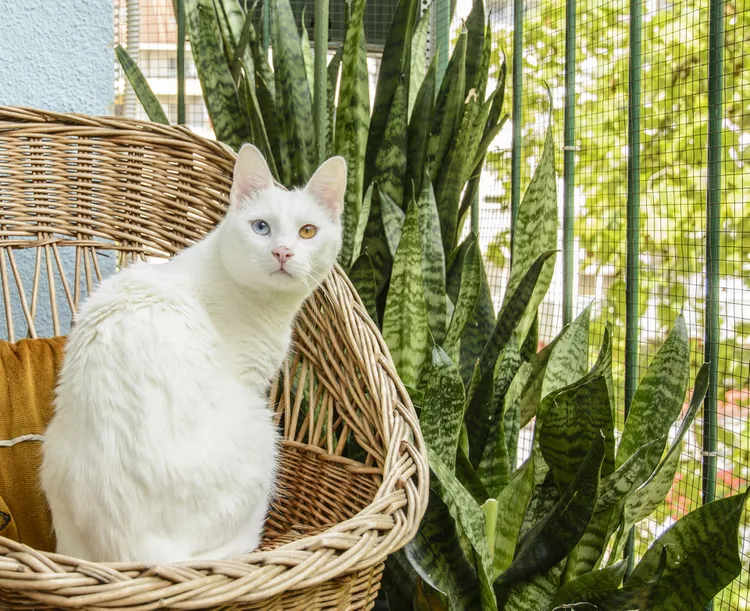
Are Snake Plants Toxic to Cats?
Snake plants can be toxic to cats, depending on the amount of plant ingested and other factors. If you suspect your cat has ingested any amount of a snake plant, seek veterinary attention immediately to prevent serious complications.