The Chartreux cat is a French feline whose pleasant demeanor has made it the unofficial cat of France and a beloved pet abroad. The breed is notable for its solid blue-gray coat with a slightly woolly texture and bright copper eyes.
The muscular and athletic Chartreux has small, fine-boned legs for the size of its body, and it can appear to be rather short in stature. But, the cat is a mighty mouser—legend has it that French Carthusian monks employed Chartreux cats for rodent control in monasteries.
Personality: Calm, friendly, docile
Weight: Up to 16 pounds
Length: Up to 24 inches, nose to tail
Coat Length: Short Hair
Coat Colors: Gray
Coat Patterns: Solid
Eye Color: Copper/orange
Lifespan: Up to 15 years
Hypoallergenic: No
Origin: France
With its quiet but friendly temperament, the medium-sized Chartreux is a lovely companion for individuals or families, but it can be a tough feline to find as the breed is rare in the United States.
This cat rarely makes vocal demands, but those familiar with the breed describe it as an excellent communicator with an engaging manner. When it does have something to say, the Chartreux may chirp to get noticed.
The Chartreux's round face and pointed muzzle make it appear to be smiling, and owners of Chartreux cats who know the breed's happy, friendly personality find this "smile" easy to believe.
The early origin of the Chartreux is difficult to trace, though it’s well-established that the breed dates back at least to the 15th or 16th century. The unique woolly coat of these cats points back to Syrian roots, and it is commonly believed that Crusaders returning from Syria to France brought the early ancestors of the Chartreux.
Once in France, the breed proved to be an excellent means of controlling rodent populations. Many accounts of the Chartreux’s history point to French Carthusian monasteries keeping these cats as a defense against rats and mice. While no Carthusian records confirm this fact, it’s a much-repeated tale that also is said to explain the quiet, almost monastic nature of these nearly silent cats.
Moving forward in history, the Chartreux cat becomes easier to trace. Sometime in the 1920s, sisters Christine and Suzanne Leger encountered a colony of blue-gray cats living on a small island off the coast of France. The cats were notable for their striking appearance and unique woolly coat, so the Leger sisters decided to domesticate and breed them. In 1931, the cats were on a display at a cat show in Paris where the modern Chartreux cat became recognizable.
Like many breeds, the Chartreux’s existence was threatened by World War II. However, selective crossbreeding with Russian blue, British shorthair, and Persian cats ensured that this centuries-old cat didn’t disappear.
While first prized for its hunting prowess, the modern Chartreux became popular for its beautiful woolly coat, intelligence, and calm, friendly demeanor. Not surprisingly, cat breeders around the world took notice. In 1970, John and Helen Gamon brought the first Chartreux cats to the United States. This paved the way for the breed’s full acceptance into the Cat Fancier’s Association in 1987.
Today, the Chartreux is something of a national French treasure. Beloved by the people of France, the breed is relatively hard to find outside of Europe. Many breeding programs in the United States have returned their stock to France, making it difficult to find a purebred kitten here in the states.
The Chartreux is an easy keeper that is relatively self-sufficient but will happily engage in play. It enjoys the company of children and other pets but doesn’t require constant attention.
This cat breed is highly intelligent, so challenge your Chartreux with learning tricks or treat puzzles. Some curious Chartreux cats have even been known to open cupboards, so keep kitty treats hidden away and consider installing toddler locks on cabinet doors if this becomes a problem.
The soft, woolly character of the Chartreux’s coat makes it easy to care for. Many experts warn against brushing it since its unique texture is more suited to the action of a comb instead of a bristle brush. While the Chartreux does an excellent job of grooming itself, the extra attention will keep mats from forming and serve as good bonding time for you and your feline friend.
Several times a year, the Chartreux will shed his undercoat. During this time, you may want to comb it every day to keep the flying fur under control. But, you shouldn't need to bathe your cat very often.
The Chartreux has relatively few health problems and is a hearty, robust breed. However, there are a few potential health concerns to be on the lookout for:
The Chartreux has a solid blue-gray coat with a slightly woolly texture and bright copper-orange eyes. With its muscular build, the Chartreux may look like it has small legs for the size of its body, and its body length is often greater than its height. While the cat may appear disproportionate at first glance, its powerfully athletic nature is impressive to anyone who watches it hunt or play.
The Chartreux should be fed a nutritious diet and care should be taken not to overfeed. With a tendency toward developing struvite crystals, be sure that you work with your veterinarian to choose a food that isn’t too alkaline (many plant-based foods contribute to high levels of alkalinity).
Also, be sure that your cat has easy access to fresh drinking water at all times. If your cat doesn’t take in enough water, urine becomes more concentrated and struvite crystals can develop. If this is the case with your cat, consider incorporating wet food to add moisture to the diet.
Finding a Chartreux cat to call your own may not be easy because breeders in the United States are few and far between. However, the Cat Fanciers' Association (CFA) Breeder Directory and The International Cat Association (TICA) Breeder Directory are good places to start your search.
Since these cats are such treasures, it is rare to find one in a shelter. However, it happens—owners give up beloved pets for many reasons.
A calm demeanor is a key characteristic of the Chartreux, so they’re a popular cat breed for solitary owners and families. Just be sure that children or other pets are taught to treat the cat gently and with respect. Interestingly, these cats are also known to be adaptable; many enjoy traveling with their owners.
Friendly and docile; not overly demanding
Good with kids and pets
Adaptable, travels well
Difficult to find a breeder
Prone to kidney problems
May get bored without sufficient stimulation
If you’re interested in similar breeds, check out:
Otherwise, check out all of our other cat breed profiles.
These calm, docile cats are very friendly and adaptable, so they make great pets for individuals and families.
There are few Chartreux breeders in the United States, so they are hard to find here. In France and throughout Europe, they are more common.
They are generally healthy cats, but they do tend to develop urinary tract infections. A specific diet can help prevent urinary problems.

How to Dispose of Cat Litter
Cleaning cat litter is a necessary chore for all cat owners, but what's the best way to dispose of it? Generally, flushing is not a safe option.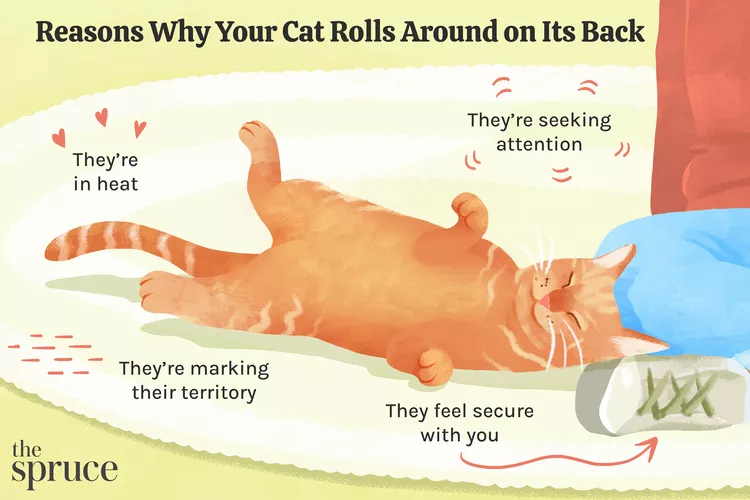
Why Your Cat Is Rolling Around on Its Back
When your cat rolls on its back, it could be telling you something. Rolling can signal the cat feels safe and might want some attention from you.
What Your Cat Is Saying With Its Eyes
Understand how cats communicate with their eyes, from arousal and trust to dominance and aggression.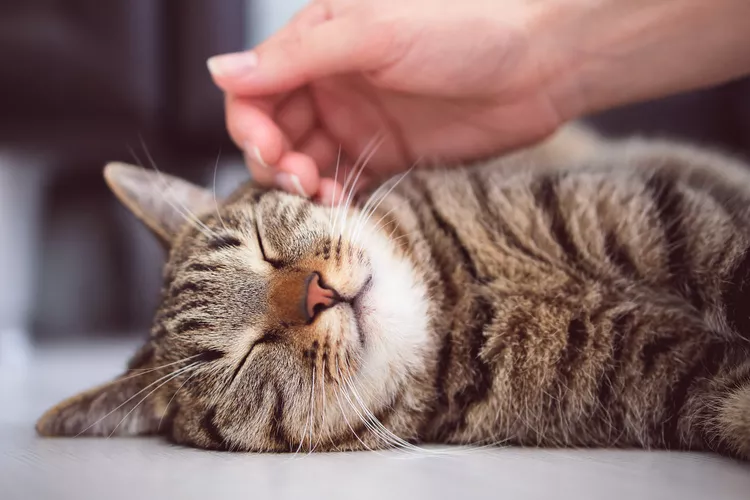
Why Cats Like Being Pet
Why do some cats enjoy being pet and others don't? Learn why certain cats want you to pet them while others just want to be left untouched.
100+ White Cat Names
White cat names can pay homage to their wintry fur, like Snowflake or Frosty, but can also be playful, such as Marshmallow, or elegant, like Pearl.
The First 30 Days With Your New Kitten
The first month is full of changes and excitement for a kitten in a new home. Find out what to expect and what you can do for your new feline friend.
What Is the Difference Between Cat Hair and Fur?
Is there a difference between cat hair and cat fur? Learn the correct terminology and about five different kinds of hair found on your feline.
Explore the Sources of Your Cat's Personality
What influences your cat's personality? Genetics, history, and environmental factors can contribute to your cat's mannerisms and moodiness.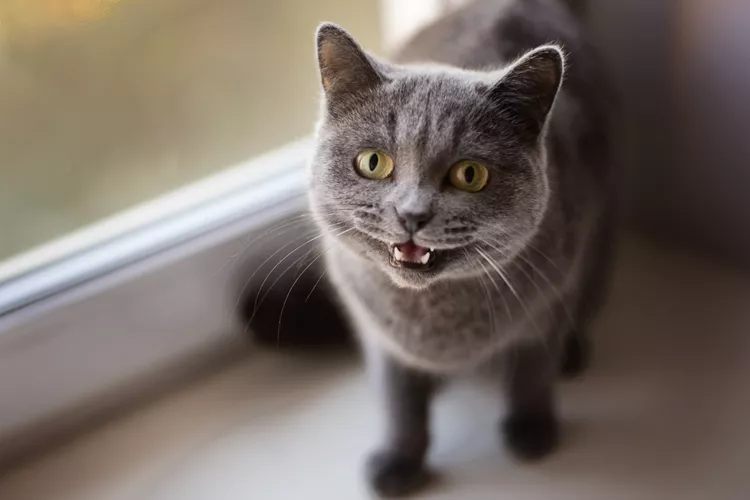
15 Best Movie-Inspired Cat Names
If you are bringing home a kitty and you are a big movie buff, then a cinematic cat name might be right up your alley for your new feline friend.
10 Most Intelligent Cat Breeds
Looking for a smart cat? Learn about the pros and cons of 10 intelligent cat breeds, including Burmese and Siamese, to decide if one is right for you.
8 Cute Pictures of Norwegian Forest Cats
Learn about the history of Norwegian forest cats, and check out cute pictures of Norway's national cat.
12 Fluffy Cat Breeds Perfect for Endless Cuddles
If you like long-haired cats and don't mind daily (or almost daily) brushing, you’ll love these fluffy cat breeds.
Feline Breeds, Domestic Shorthair Cats, and Color Patterns
Cat lovers often are confused about identifying terms, such as purebred, DSH, and tabby. Learn more about the differences between these terms.
Havana Brown: Cat Breed Profile
The Havana Brown is a beautiful and rare cat breed with an interesting background.
Bambino: Cat Breed Profile, Characteristics & Care
The bambino cat is a controversial cross between a hairless sphynx and the short-legged munchkin. Learn about the bambino breed.
11 Cute Pictures of Ragdoll Cats
Ragdoll cats are known for their beautiful coats and bright, blue eyes. Learn all about the breed, and check out some cute pictures here.
Pictures and Facts About Bengal Cats and Kittens
Bengal cats are a cross between wild cats and domestic cats. Learn more about what they look like and pictures of this beautiful spotted breed.
Signs of Heat in Cats
A cat in heat will show several physical and behavioral signs. Here's how to tell if your cat is in heat and how to care for her during this time. Learn the signs and how to prevent pregnancy, even if her cycle has begun.
Why Is My Dog’s Ear Swollen? Causes and Treatment of Ear Hematoma
If your dog’s ear is swollen, it could indicate an ear hematoma. Learn the primary causes and treatments for ear hematomas in dogs straight from a veterinarian.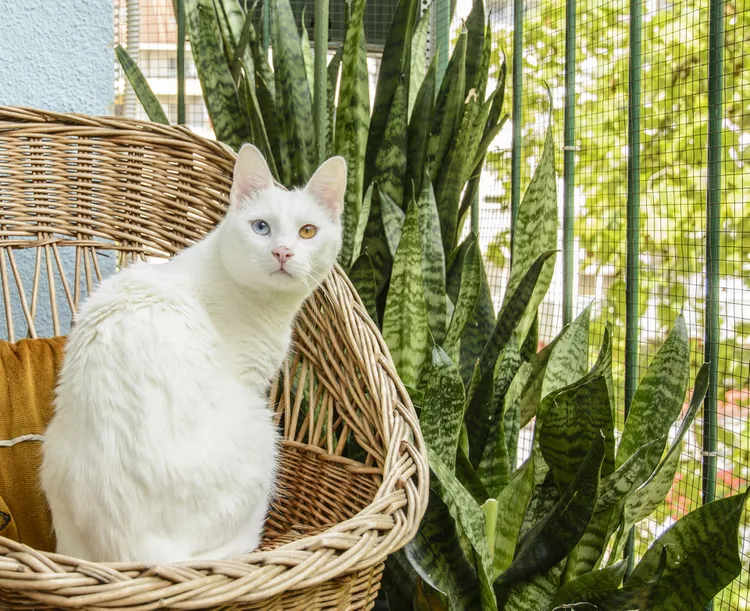
Are Snake Plants Toxic to Cats?
Snake plants can be toxic to cats, depending on the amount of plant ingested and other factors. If you suspect your cat has ingested any amount of a snake plant, seek veterinary attention immediately to prevent serious complications.