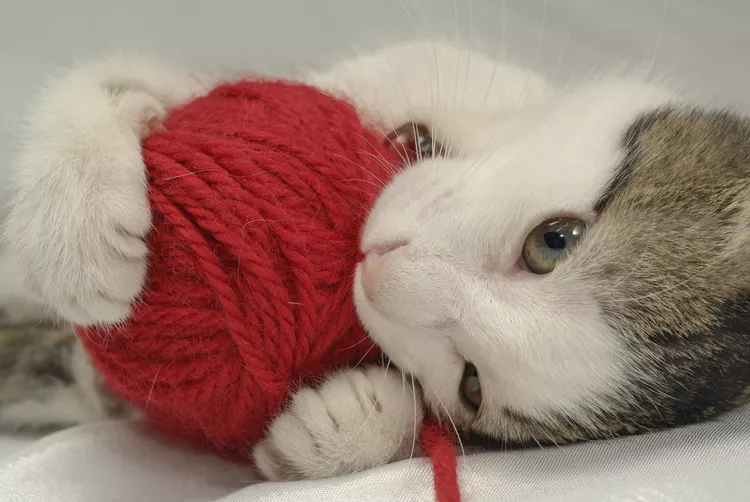
Although not all cats have the urge to suck on soft fabrics, such as wool, it can become an obsession for others. Most commonly, this behavior develops in kittens that are removed from their mother too soon. It may also develop into a habit in mature cats that are feeling anxious or stressed out and turn to sucking wool for comfort.
While it may be a harmless behavior, you certainly don't want your feline friend to swallow wool, so you may need to take action. The good news is that your cat's sucking likely has an explanation, and understanding that may lead you to solutions that can help.
Genetics may play a role. Wool sucking most often occurs in kittens who are taken from their mother before they're fully weaned. Kittens should be kept with the mother cat at least until the age of 8 weeks and ideally until they're about 12 weeks old. Although they should outgrow this behavior once they're introduced to kitten food, many continue to try to suckle the mother cat for a few weeks longer.
If you adopt a kitten that's younger than 12 weeks, you become the surrogate mother. The mother's nipple is no longer available, so the kitten may find other "nipples"—kneading while sucking your earlobe, for example. This would be a natural step in the kitten's development.
Wool or other similar fabrics can easily become a cat's second choice because of its soft warmth, which is also reminiscent of the mother cat. Some cats may try to suckle other cats or even their own fur, a habit comparable to that of a human child sucking its thumb.
Even for mature cats, wool sucking may become a regular behavioral issue or a habit that periodically comes and goes. Other factors that may provoke or help sustain this behavior are:
If your cat has never ingested any of the material it has suckled on, you may just wish to tolerate it. Letting it have that bit of comfort, especially if it's not obsessive or harmful or only occurs when the cat is near you, may not be worth worrying about.
On the other hand, the ingestion of fabric or other materials can cause a dangerous abdominal blockage. Pet's that wool suck may be prone to ingesting other small materials so be sure to keep small items like hair ties, floss, pieces of string away from cats. If they are ingesting inappropriate materials like blanket, it can possibly lead to the need for surgery to remove. If you suspect your cat has ingested inappropriate material, please call your vet immediately.
Some things you can do at home to help try to prevent and distract your pet from wool sucking include:
Loads of love, patience, and creative trial and error may be required to help your cat either desist or cut back on its wool sucking. Keep in mind that if the behavior isn't causing any harm, you may just need to put your cat's emotional comfort first and learn to accept it.
How to Dispose of Cat Litter
Cleaning cat litter is a necessary chore for all cat owners, but what's the best way to dispose of it? Generally, flushing is not a safe option.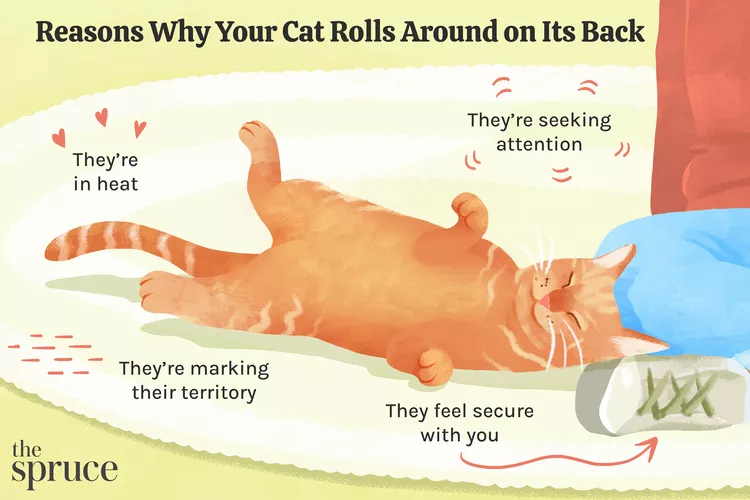
Why Your Cat Is Rolling Around on Its Back
When your cat rolls on its back, it could be telling you something. Rolling can signal the cat feels safe and might want some attention from you.
What Your Cat Is Saying With Its Eyes
Understand how cats communicate with their eyes, from arousal and trust to dominance and aggression.
Why Cats Like Being Pet
Why do some cats enjoy being pet and others don't? Learn why certain cats want you to pet them while others just want to be left untouched.
100+ White Cat Names
White cat names can pay homage to their wintry fur, like Snowflake or Frosty, but can also be playful, such as Marshmallow, or elegant, like Pearl.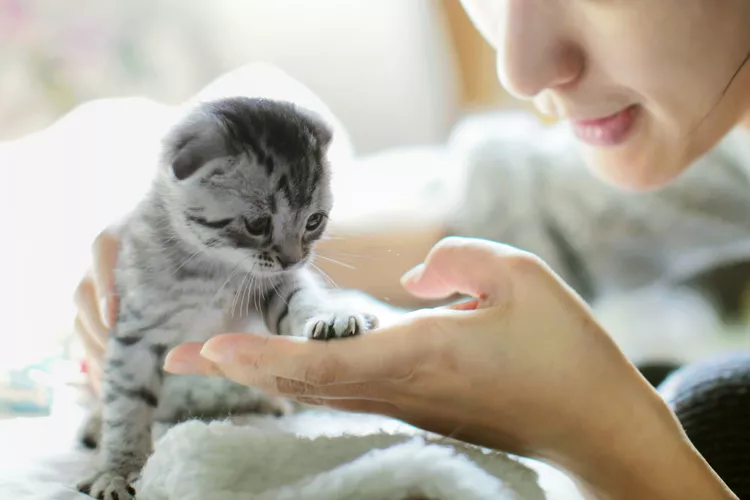
The First 30 Days With Your New Kitten
The first month is full of changes and excitement for a kitten in a new home. Find out what to expect and what you can do for your new feline friend.
What Is the Difference Between Cat Hair and Fur?
Is there a difference between cat hair and cat fur? Learn the correct terminology and about five different kinds of hair found on your feline.
Explore the Sources of Your Cat's Personality
What influences your cat's personality? Genetics, history, and environmental factors can contribute to your cat's mannerisms and moodiness.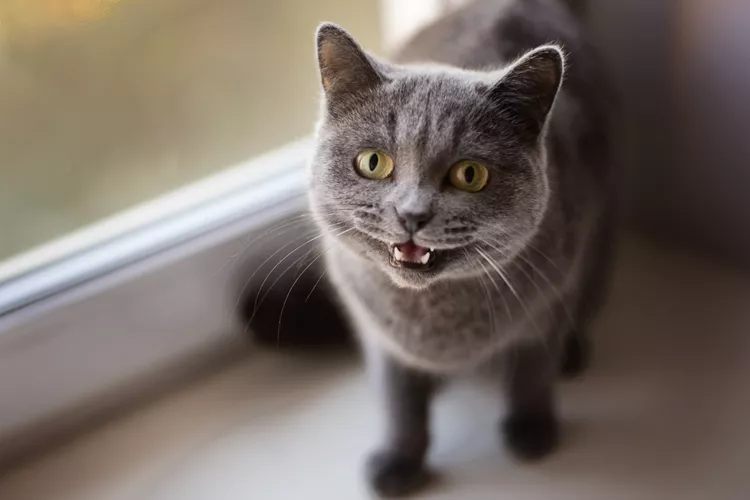
15 Best Movie-Inspired Cat Names
If you are bringing home a kitty and you are a big movie buff, then a cinematic cat name might be right up your alley for your new feline friend.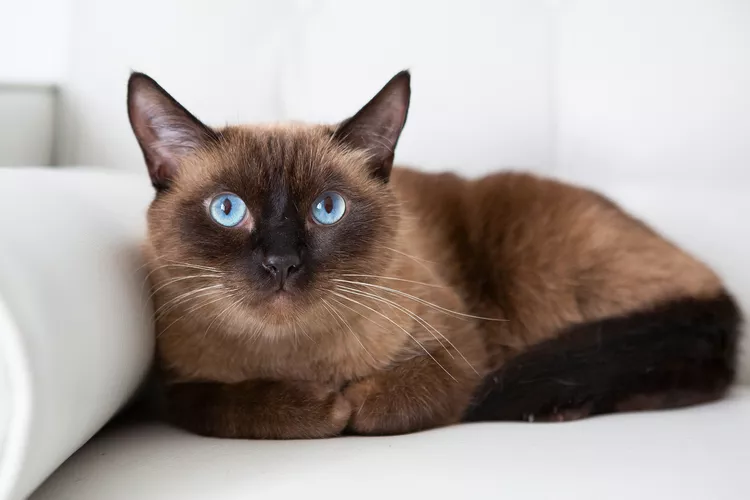
10 Most Intelligent Cat Breeds
Looking for a smart cat? Learn about the pros and cons of 10 intelligent cat breeds, including Burmese and Siamese, to decide if one is right for you.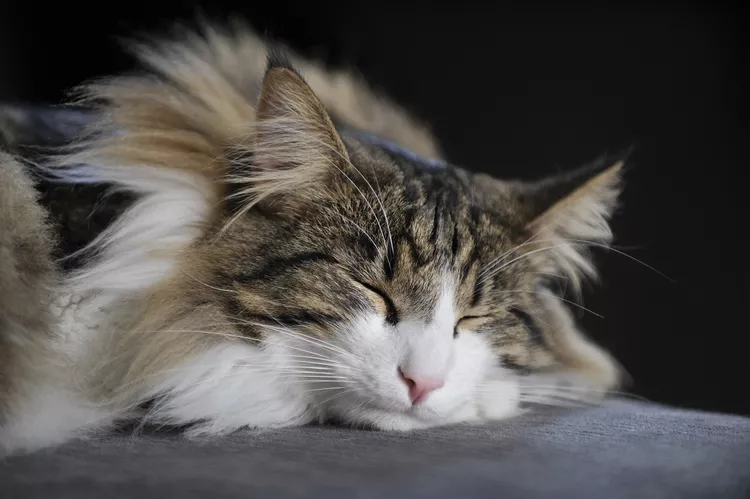
8 Cute Pictures of Norwegian Forest Cats
Learn about the history of Norwegian forest cats, and check out cute pictures of Norway's national cat.
12 Fluffy Cat Breeds Perfect for Endless Cuddles
If you like long-haired cats and don't mind daily (or almost daily) brushing, you’ll love these fluffy cat breeds.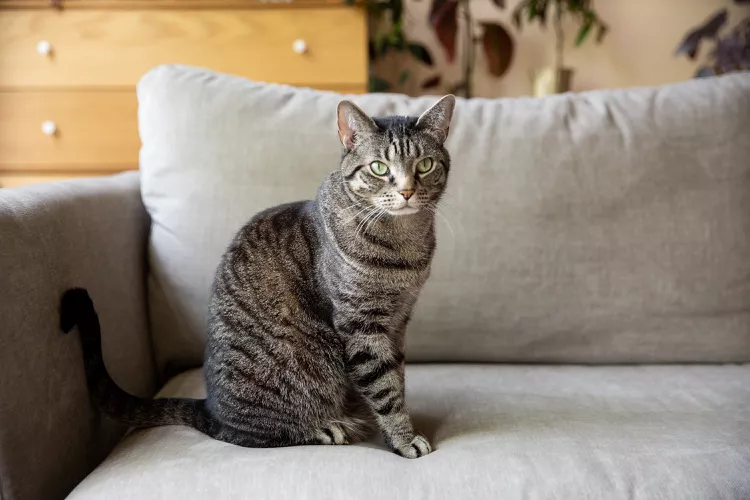
Feline Breeds, Domestic Shorthair Cats, and Color Patterns
Cat lovers often are confused about identifying terms, such as purebred, DSH, and tabby. Learn more about the differences between these terms.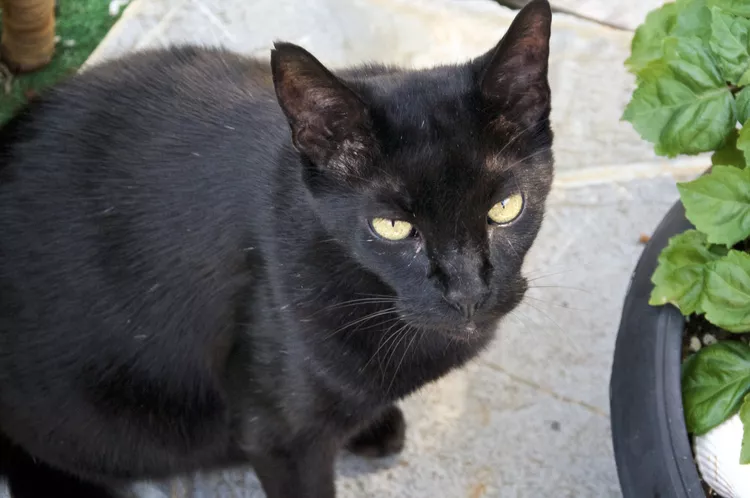
Havana Brown: Cat Breed Profile
The Havana Brown is a beautiful and rare cat breed with an interesting background.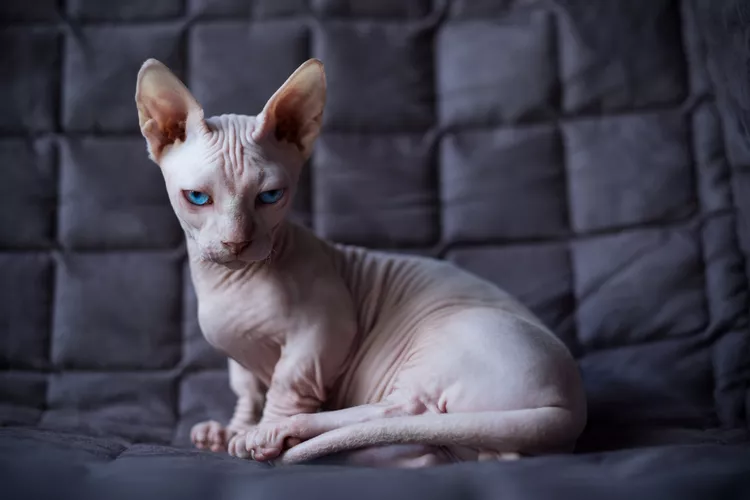
Bambino: Cat Breed Profile, Characteristics & Care
The bambino cat is a controversial cross between a hairless sphynx and the short-legged munchkin. Learn about the bambino breed.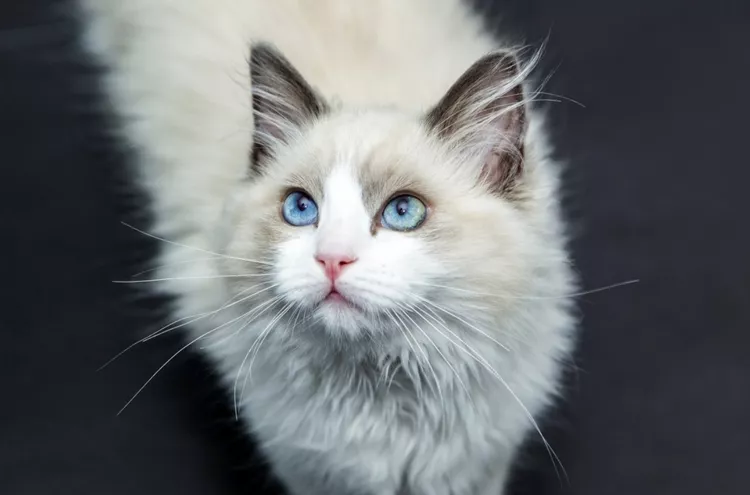
11 Cute Pictures of Ragdoll Cats
Ragdoll cats are known for their beautiful coats and bright, blue eyes. Learn all about the breed, and check out some cute pictures here.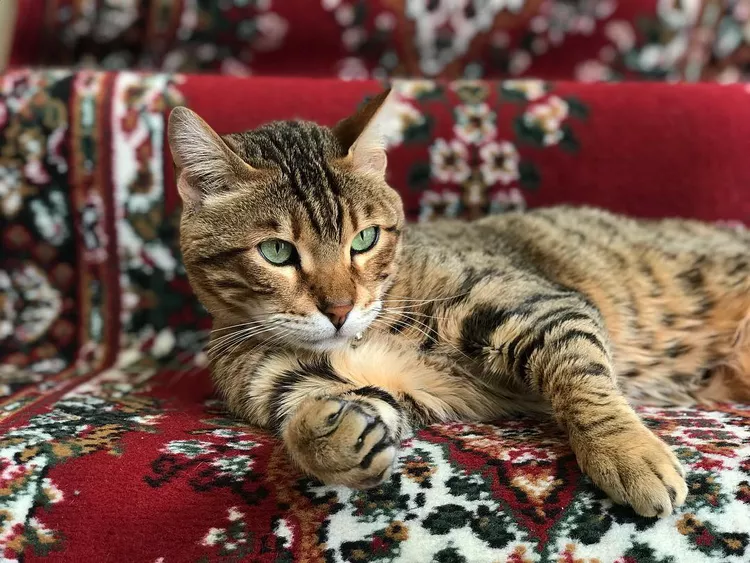
Pictures and Facts About Bengal Cats and Kittens
Bengal cats are a cross between wild cats and domestic cats. Learn more about what they look like and pictures of this beautiful spotted breed.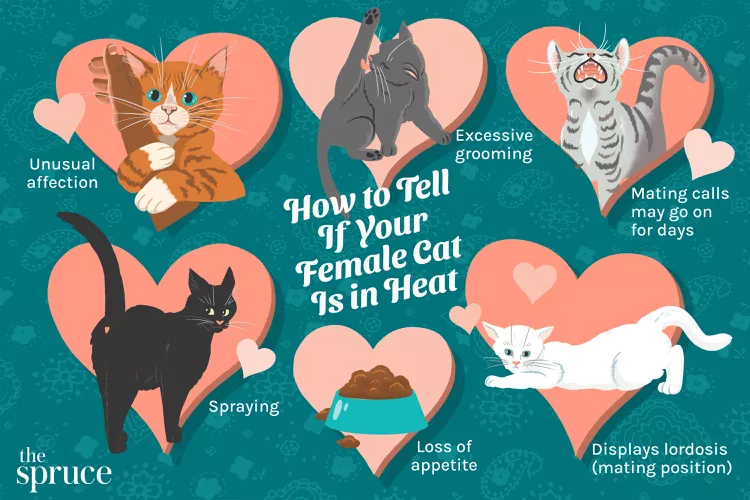
Signs of Heat in Cats
A cat in heat will show several physical and behavioral signs. Here's how to tell if your cat is in heat and how to care for her during this time. Learn the signs and how to prevent pregnancy, even if her cycle has begun.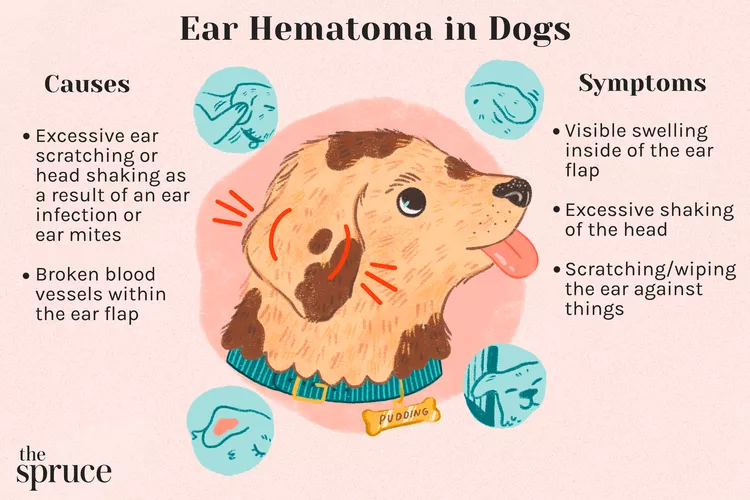
Why Is My Dog’s Ear Swollen? Causes and Treatment of Ear Hematoma
If your dog’s ear is swollen, it could indicate an ear hematoma. Learn the primary causes and treatments for ear hematomas in dogs straight from a veterinarian.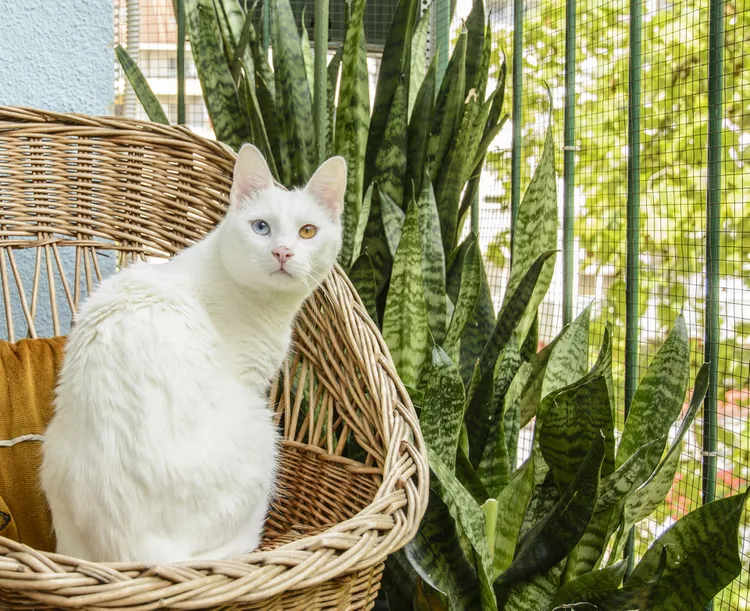
Are Snake Plants Toxic to Cats?
Snake plants can be toxic to cats, depending on the amount of plant ingested and other factors. If you suspect your cat has ingested any amount of a snake plant, seek veterinary attention immediately to prevent serious complications.