If cats are using your child's outdoor sandbox as a litter box, then you have a few options for stopping the behavior. For instance, you can put up a barrier, use cat deterrents, or consider keeping your cat inside if your cat is the culprit. It's not an easy task, but the one thing you don't want to do is ignore the problem because it can pose a danger to the children who play in the sandbox.
In the wild, cats naturally excrete in soft or sandy soil to facilitate easy burial. They use their paws in a backward sweeping motion to cover their feces. In the backyard, the sandbox is a natural outlet for this instinct in cats who pass through or hang out in your yard. It isn't that much different from your cat's indoor litter box.
If you don't stop cats from defecating in the sandbox, though, it can be harmful to people. During playtime, children may be exposed to parasitic diseases such as round worms and toxoplasmosis that can be carried in cat feces. Most cats that have parasites don't show any symptoms either. And even if your cat is healthy, you can't account for strays or your neighbors' outside cats that may be carrying these diseases.
While the cause behind this behavioral issue is simple, the solution isn't. Every cat is different, so you might have to try a few deterrents or combinations of deterrents before you find a solution that works in your situation. This is especially true if you're dealing with stray or neighborhood cats whose behavior you can't control.
It's plain unsanitary and disgusting to have cat feces or urine in a sandbox that kids play in, and the odor may attract more cats to your yard. Clean it up ASAP by removing the contaminated sand, scrubbing the sandbox with a mixture of 3/4 cup household bleach to each gallon of water, and letting it dry completely before refilling it with fresh, clean sand.
The easiest solution to keeping cats out of your kid's sand is to make it a habit to cover the sandbox whenever children aren't playing in it.
A store-bought sandbox may come with a cover that's designed to keep rain and animals out when it's not in use. You can also fashion a homemade cover using wood, lattice or screening, or heavy outdoor fabrics.
Installing a device such as a motion-sensitive water sprinkler is another way to keep animals away. These are often used for gardens, so you can usually find them in the gardening section of hardware or big-box stores.
If you put a sprinkler right next to the sandbox, the cats will likely get the message. A disadvantage of this method is that, depending on the direction of the spray, it may also get the sandbox wet.
There are several natural deterrents that you can use around the sandbox to discourage cats from entering. Any of these substances—either used alone or combined with others—can make for an anti-kitty cocktail that's not harmful to animals or people. You will, however, need to reapply them frequently as their potency fades due to rain, sun, and wind.
A variety of commercial sprays designed as cat repellents are also commonly used by gardeners. They contain preparations that are offensive to cats but not harmful to either cats or children. Do be sure to carefully read and follow the manufacturer's directions on the product label.
This type of spray may be effective when applied around the border of a sandbox. Rain and sunlight will dissipate the spray over time, so you'll need to reapply frequently.
If your cat seems to be the cause of the sandbox mess, you might need to transition it to being an indoor-only cat. To start the process, provide the cat with at least two litter boxes inside the house and train it to use them. The rule of thumb is one box per cat, plus one extra in the beginning. Once the cat is trained, you can drop down to one box.
If your yard is safe from your cats and predators and other cats can't get in, you can still let your cat outside periodically, but this will only work if you're able to supervise the cat at all times. You can even teach your cat ways to play outside; similar to their canine counterparts, some cats love to play fetch.
Whenever you notice your cat heading toward the sandbox, pick it up and move it elsewhere. Use your disciplinary tone and find some sort of distraction that's more tempting than the sand. Eventually, your cat will learn to stay away from the sandbox.
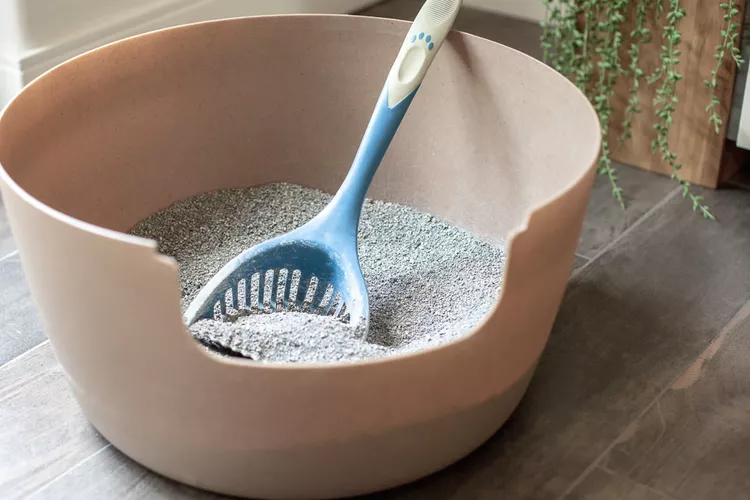
How to Dispose of Cat Litter
Cleaning cat litter is a necessary chore for all cat owners, but what's the best way to dispose of it? Generally, flushing is not a safe option.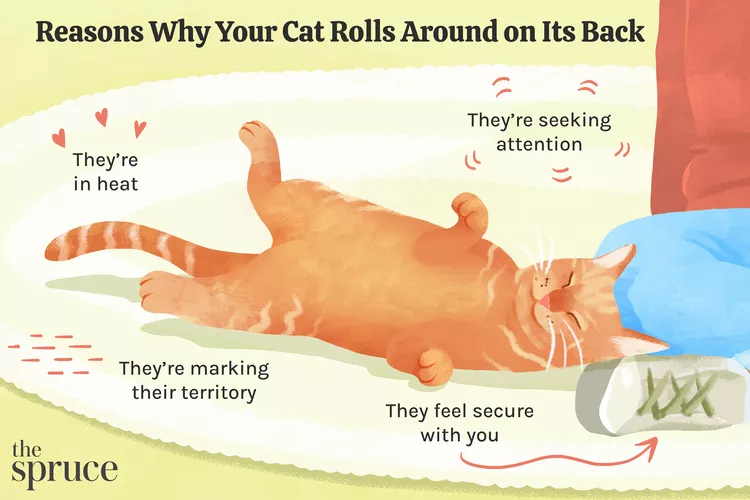
Why Your Cat Is Rolling Around on Its Back
When your cat rolls on its back, it could be telling you something. Rolling can signal the cat feels safe and might want some attention from you.
What Your Cat Is Saying With Its Eyes
Understand how cats communicate with their eyes, from arousal and trust to dominance and aggression.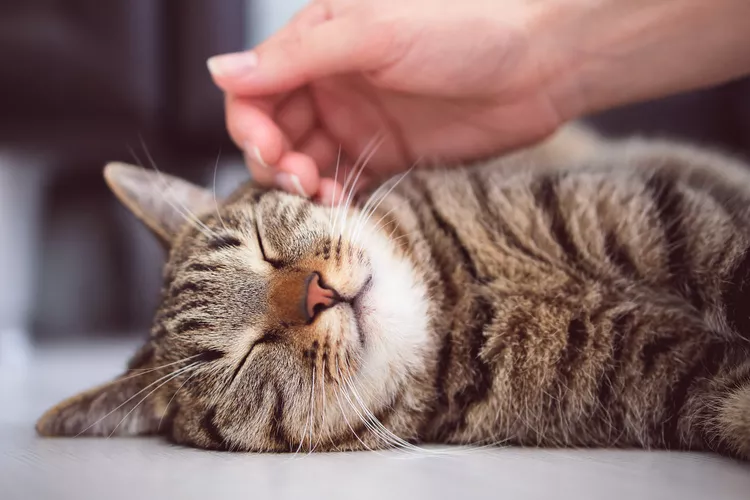
Why Cats Like Being Pet
Why do some cats enjoy being pet and others don't? Learn why certain cats want you to pet them while others just want to be left untouched.
100+ White Cat Names
White cat names can pay homage to their wintry fur, like Snowflake or Frosty, but can also be playful, such as Marshmallow, or elegant, like Pearl.
The First 30 Days With Your New Kitten
The first month is full of changes and excitement for a kitten in a new home. Find out what to expect and what you can do for your new feline friend.
What Is the Difference Between Cat Hair and Fur?
Is there a difference between cat hair and cat fur? Learn the correct terminology and about five different kinds of hair found on your feline.
Explore the Sources of Your Cat's Personality
What influences your cat's personality? Genetics, history, and environmental factors can contribute to your cat's mannerisms and moodiness.
15 Best Movie-Inspired Cat Names
If you are bringing home a kitty and you are a big movie buff, then a cinematic cat name might be right up your alley for your new feline friend.
10 Most Intelligent Cat Breeds
Looking for a smart cat? Learn about the pros and cons of 10 intelligent cat breeds, including Burmese and Siamese, to decide if one is right for you.
8 Cute Pictures of Norwegian Forest Cats
Learn about the history of Norwegian forest cats, and check out cute pictures of Norway's national cat.
12 Fluffy Cat Breeds Perfect for Endless Cuddles
If you like long-haired cats and don't mind daily (or almost daily) brushing, you’ll love these fluffy cat breeds.
Feline Breeds, Domestic Shorthair Cats, and Color Patterns
Cat lovers often are confused about identifying terms, such as purebred, DSH, and tabby. Learn more about the differences between these terms.
Havana Brown: Cat Breed Profile
The Havana Brown is a beautiful and rare cat breed with an interesting background.
Bambino: Cat Breed Profile, Characteristics & Care
The bambino cat is a controversial cross between a hairless sphynx and the short-legged munchkin. Learn about the bambino breed.
11 Cute Pictures of Ragdoll Cats
Ragdoll cats are known for their beautiful coats and bright, blue eyes. Learn all about the breed, and check out some cute pictures here.
Pictures and Facts About Bengal Cats and Kittens
Bengal cats are a cross between wild cats and domestic cats. Learn more about what they look like and pictures of this beautiful spotted breed.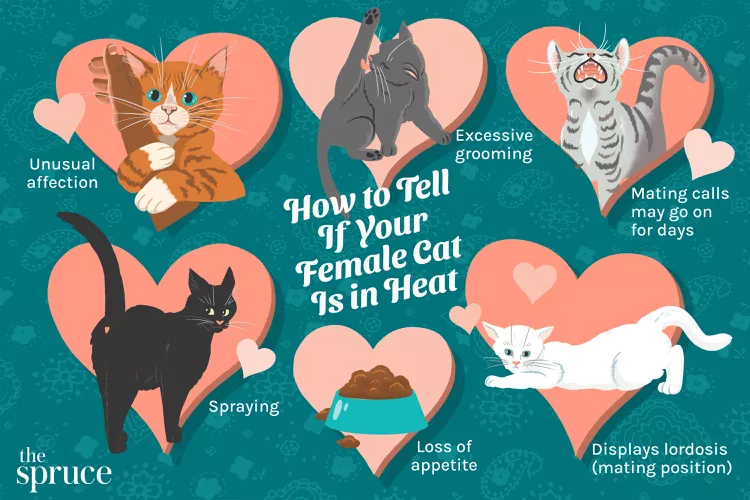
Signs of Heat in Cats
A cat in heat will show several physical and behavioral signs. Here's how to tell if your cat is in heat and how to care for her during this time. Learn the signs and how to prevent pregnancy, even if her cycle has begun.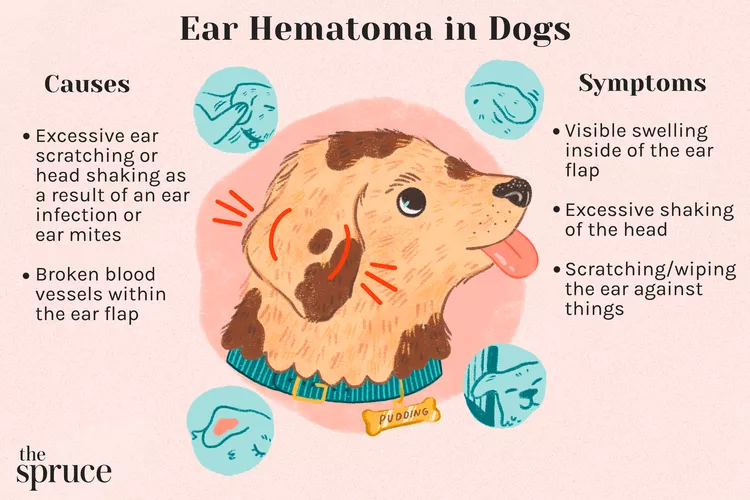
Why Is My Dog’s Ear Swollen? Causes and Treatment of Ear Hematoma
If your dog’s ear is swollen, it could indicate an ear hematoma. Learn the primary causes and treatments for ear hematomas in dogs straight from a veterinarian.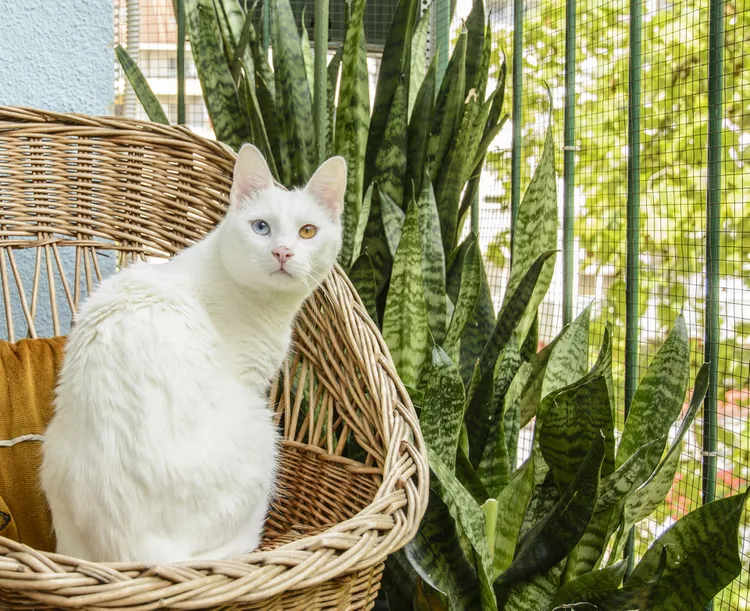
Are Snake Plants Toxic to Cats?
Snake plants can be toxic to cats, depending on the amount of plant ingested and other factors. If you suspect your cat has ingested any amount of a snake plant, seek veterinary attention immediately to prevent serious complications.