Kittens, like children, learn how to behave appropriately at a young age—and during this process, they might often misbehave. Kittens are constantly learning about the world around them and acquaint themselves with good behavior through positive and negative enforcement. If you're training your kitten to stop misbehaving, you'll have to address and correct the bad behaviors with direction and discipline.
Patience is key when training a kitten, and we're sharing tips for correcting common misbehavior, like scratching, biting, and jumping.
Kittens are like babies. They are constantly learning about the world around them and what behavior is acceptable and what isn't through positive and negative reinforcement. When your kitten misbehaves, it's not trying to be bad. It's simply learning how to behave.
Most kittens are happy to use a litter box and scratching post. Sometimes kittens are unwilling or unable to do one or the other. Occasionally, they start using the litter box and scratching post properly and then suddenly stop doing so.
Much of kitten or cat discipline involves troubleshooting to discover the reason for the undesirable behavior and then correcting the situations that caused it.
Kittens and cats need their claws, and they need to scratch to keep their claws healthy. The trick is to redirect them from furniture and other objects to more appropriate surfaces for them to sharpen their claws. The key is teaching the kitten to avoid destructive scratching.
Most kittens readily adapt to a litter box, especially if they were raised with a mother cat. Otherwise, it's usually easy to train a kitten to use the box. Make sure the box is easily accessible, filled with good-quality litter, and cleaned at least once a day. Immediately after a meal, place your kitten in the box. You may have to demonstrate by guiding its paw for a few scratches in the litter, but the kitty will quickly get the idea. Chances are, under proper circumstances, your kitten will not make mistakes and learn to use the box regularly. In the rare event your kitten doesn't take to the box, poor litter box maintenance may be the cause.
Like human babies, kittens examine everything with their mouths, especially when they're teething. As with toddlers, it's important to keep harmful items out of kittens' reach. Kittens love to play fight, and if other cats aren't around to accommodate them, they'll settle for the nearest human hand or ankle, especially if you've encouraged this form of play early on. They also might chew on houseplants if they are within reach.
Kittens love heights, and many are expert jumpers. They can hurl themselves upward with little notice and seemingly little effort. Problems occur when they frequently jump on a tabletop or a countertop that you prefer they avoid.
Cats and especially kittens can exhibit overactive behavior at night. Most cats will be awake and active at night, but the key is teaching them to leave you alone and go back to sleep.
Some kittens are especially rambunctious. While kittens are expected to be curious and playful, some can escalate these traits to bad behavior. They are likely seeking attention from their owners or are bored and under-stimulated (or both).
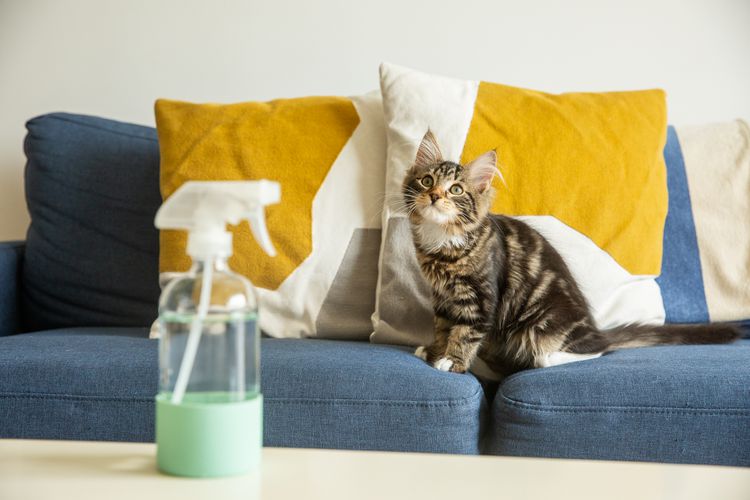
There are numerous humane effective techniques for expressing your displeasure with a cat. It's always wise to check with your vet to make sure there isn't a health issue causing the bad behavior. One simple option is to keep a spray bottle filled with water handy. This can help when you see bad behavior in action. Give your kitten a little squirt to discourage the behavior.
To stop your cat from scratching furniture or other places it doesn't belong, provide desirable scratching surfaces. Scratching posts vary in price and style and provide a selection of scratching surfaces for your kitten. One popular and inexpensive option is a corrugated cardboard model. Adding a small amount of catnip to the scratch post can make it more attractive for your cat. For a variety of healthy scratching options, offer as many scratchers as you can afford and/or have room for.
While harmful to your kitten's health to have it declawed, it's a good idea to trim those needle-sharp claws from time to time. Not only will this make destructive scratching less of an issue, but it will also lessen the chance that you'll be scratched by an energetic feline playmate. Another option is to use plastic nail caps. They are easy to apply and do not interfere with the normal extension and retraction of your cat's claws.
Because litter box avoidance is a major reason why people surrender their cats to shelters, it's important to provide your cat with an immaculately clean litter box. Another option is to spray your kitten's litter box with an attractive scent, such as Cat Attract, which is sold at pet stores. Provide multiple boxes for your cat. You also may need to try several brands and types of litter. Some cats avoid covered litter boxes, while others prefer the privacy they provide. Be sure there are no underlying health issues, such as a urinary tract infection, that may be causing your kitten to miss the litter box. Your veterinarian should be able to easily rule out this and other illnesses with a simple urinalysis.
While play fighting with your kitten can be fun, it can escalate. Kittens learn to inhibit the severity of biting and scratching from their litter-mates and mothers. If they bite or scratch too hard, they will be reprimanded with a growl or hiss and an equally rough swat or bite right back. If your kitten was separated from its family too early, it may not have learned proper play-fighting behavior. Consider wearing gloves, using toys instead of hands, or simply walking away if your kitten gets too rough. This will help the cat learn to avoid biting or scratching, even in play. Remove tempting plants or put them in an area that is off-limits to your kitten.
Ideally, you'll have rules in mind for your kitten before it starts leaping. Which counters, couches, and shelves are fair game? Which are off-limits? A simple training method involves praising and petting your kitten when it leaps onto acceptable surfaces while scolding and removing it from unacceptable surfaces. The spray bottle can help train your kitten to stay off specific surfaces. Double-sided sticky tape can discourage some cats from jumping as they dislike the feel of the tape on their paws. Providing alternative climbing surfaces, such as a cat tree, may also help reduce the chance of your cat jumping on your countertops.
Plan on some interactive play sessions with your kitten in the evening. Keep playing until your kitten seems to tire. Feed them a bigger meal before bedtime; most cats sleep after eating. Keep your cat busy during the day with playful and challenging toys or puzzles.
Always play with your kitten every day. Some extra quality time may help stop the bad behavior. Disobedient cats may also be bored, so provide stimulation and exercise. Finally, praise the cat when it is being good. Use kind words, gentle petting, and treats to reinforce good behavior.
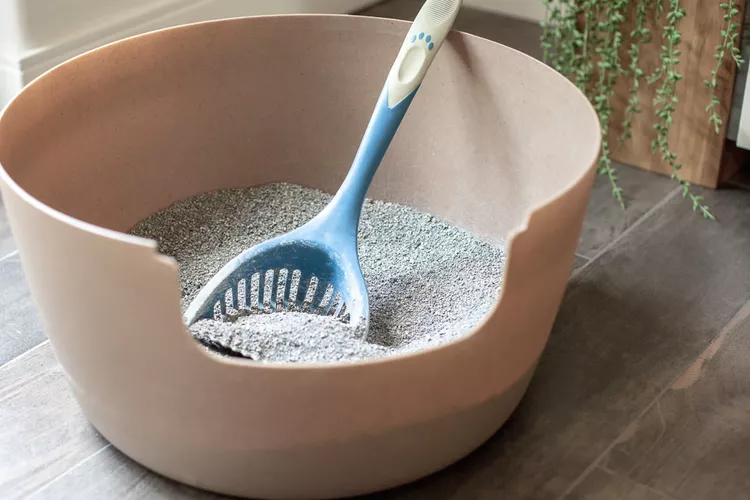
How to Dispose of Cat Litter
Cleaning cat litter is a necessary chore for all cat owners, but what's the best way to dispose of it? Generally, flushing is not a safe option.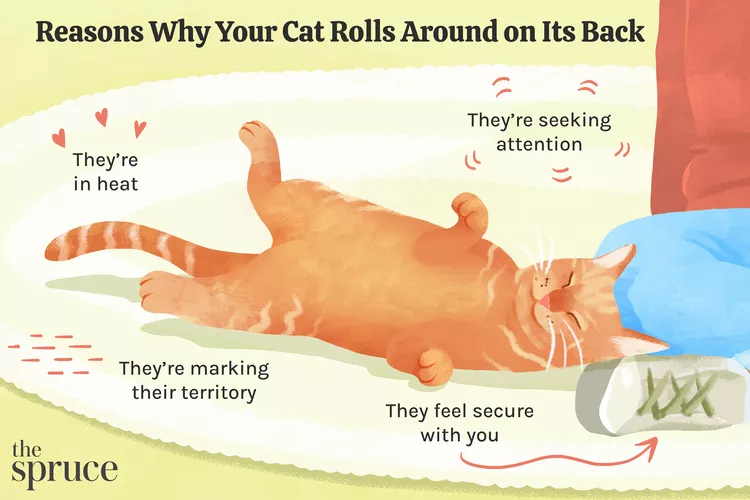
Why Your Cat Is Rolling Around on Its Back
When your cat rolls on its back, it could be telling you something. Rolling can signal the cat feels safe and might want some attention from you.
What Your Cat Is Saying With Its Eyes
Understand how cats communicate with their eyes, from arousal and trust to dominance and aggression.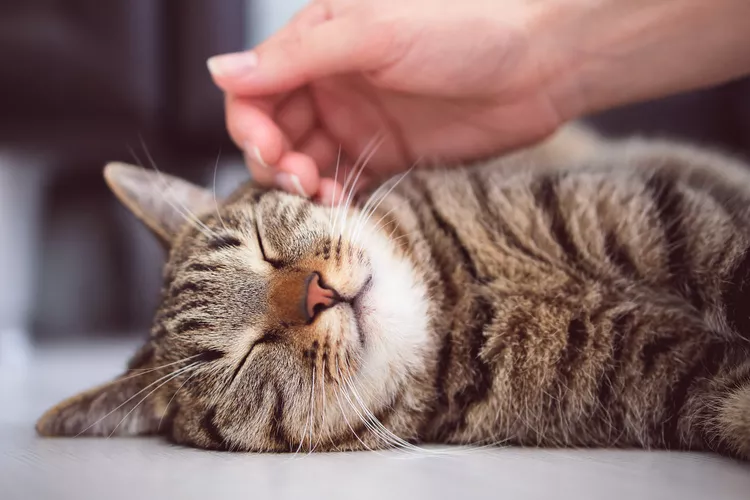
Why Cats Like Being Pet
Why do some cats enjoy being pet and others don't? Learn why certain cats want you to pet them while others just want to be left untouched.
100+ White Cat Names
White cat names can pay homage to their wintry fur, like Snowflake or Frosty, but can also be playful, such as Marshmallow, or elegant, like Pearl.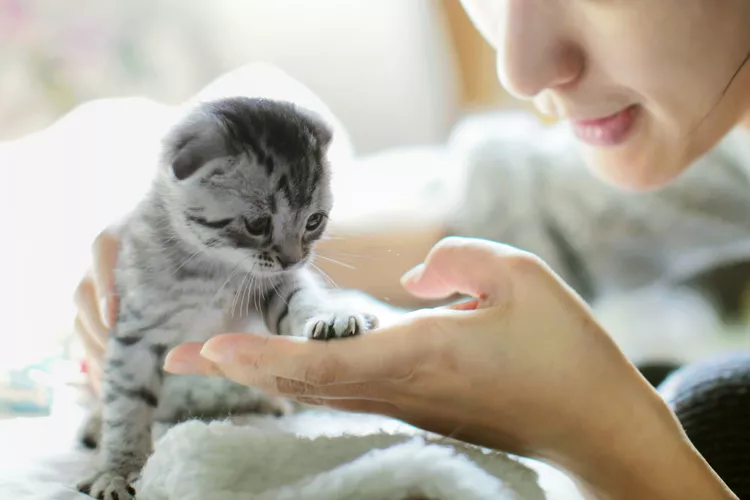
The First 30 Days With Your New Kitten
The first month is full of changes and excitement for a kitten in a new home. Find out what to expect and what you can do for your new feline friend.
What Is the Difference Between Cat Hair and Fur?
Is there a difference between cat hair and cat fur? Learn the correct terminology and about five different kinds of hair found on your feline.
Explore the Sources of Your Cat's Personality
What influences your cat's personality? Genetics, history, and environmental factors can contribute to your cat's mannerisms and moodiness.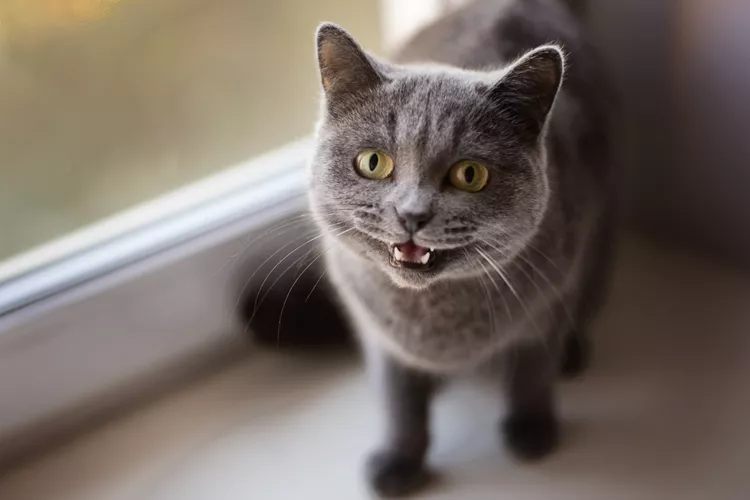
15 Best Movie-Inspired Cat Names
If you are bringing home a kitty and you are a big movie buff, then a cinematic cat name might be right up your alley for your new feline friend.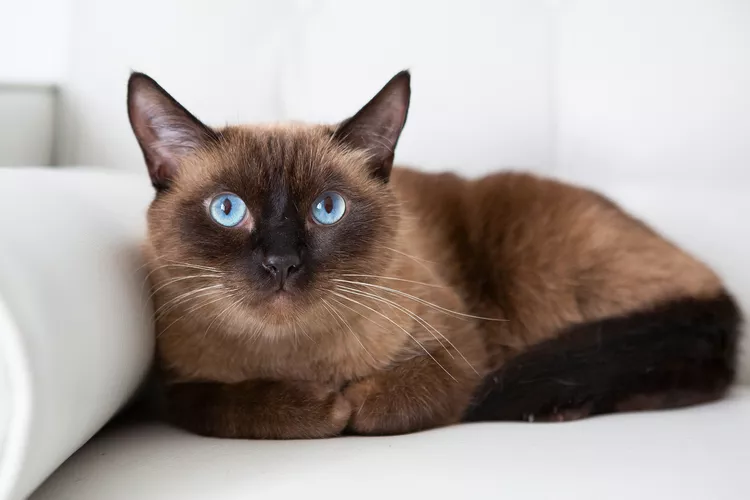
10 Most Intelligent Cat Breeds
Looking for a smart cat? Learn about the pros and cons of 10 intelligent cat breeds, including Burmese and Siamese, to decide if one is right for you.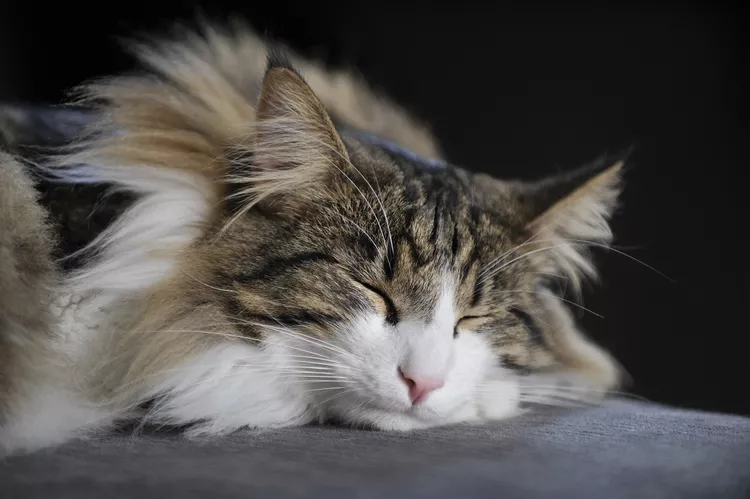
8 Cute Pictures of Norwegian Forest Cats
Learn about the history of Norwegian forest cats, and check out cute pictures of Norway's national cat.
12 Fluffy Cat Breeds Perfect for Endless Cuddles
If you like long-haired cats and don't mind daily (or almost daily) brushing, you’ll love these fluffy cat breeds.
Feline Breeds, Domestic Shorthair Cats, and Color Patterns
Cat lovers often are confused about identifying terms, such as purebred, DSH, and tabby. Learn more about the differences between these terms.
Havana Brown: Cat Breed Profile
The Havana Brown is a beautiful and rare cat breed with an interesting background.
Bambino: Cat Breed Profile, Characteristics & Care
The bambino cat is a controversial cross between a hairless sphynx and the short-legged munchkin. Learn about the bambino breed.
11 Cute Pictures of Ragdoll Cats
Ragdoll cats are known for their beautiful coats and bright, blue eyes. Learn all about the breed, and check out some cute pictures here.
Pictures and Facts About Bengal Cats and Kittens
Bengal cats are a cross between wild cats and domestic cats. Learn more about what they look like and pictures of this beautiful spotted breed.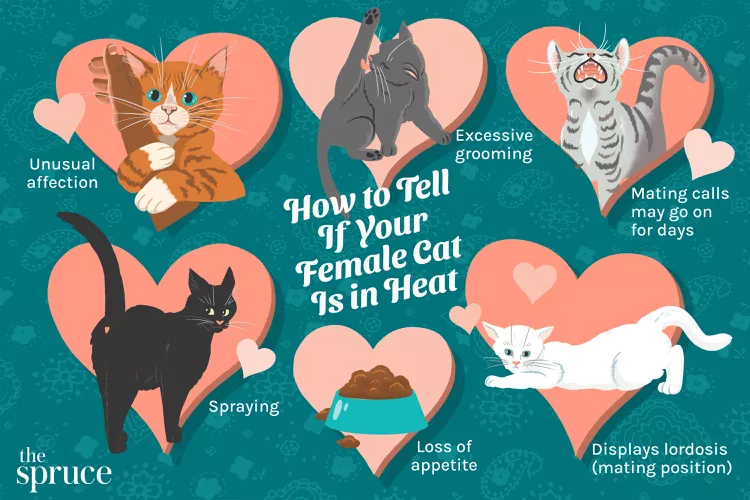
Signs of Heat in Cats
A cat in heat will show several physical and behavioral signs. Here's how to tell if your cat is in heat and how to care for her during this time. Learn the signs and how to prevent pregnancy, even if her cycle has begun.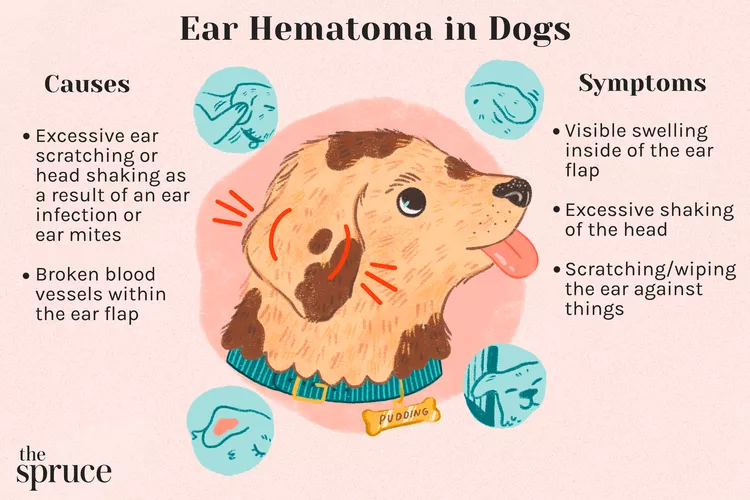
Why Is My Dog’s Ear Swollen? Causes and Treatment of Ear Hematoma
If your dog’s ear is swollen, it could indicate an ear hematoma. Learn the primary causes and treatments for ear hematomas in dogs straight from a veterinarian.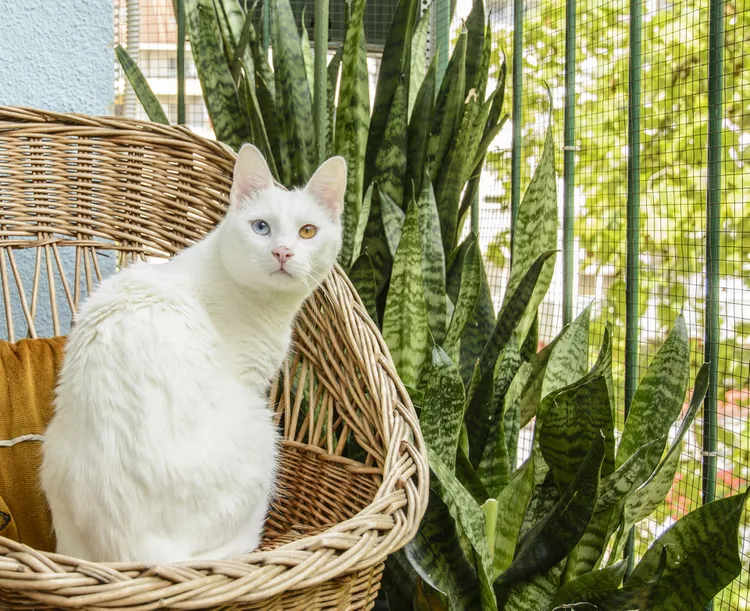
Are Snake Plants Toxic to Cats?
Snake plants can be toxic to cats, depending on the amount of plant ingested and other factors. If you suspect your cat has ingested any amount of a snake plant, seek veterinary attention immediately to prevent serious complications.