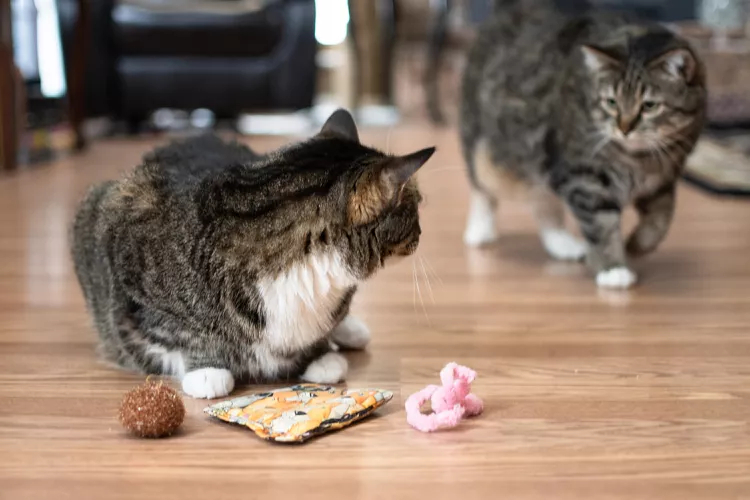
Cats will wrestle and play with each other and sometimes even get a little rough, but that can be normal cat behavior. Cats who live together and normally get along will exhibit non-painful ear biting, grabbing, and chasing as a part of their playful activities.
These behaviors develop when a cat is a very young kitten and are understood by other well-socialized cats. Cats who are not well-socialized may not know how to communicate with other cats, or sometimes dynamics arise within a multi-cat household and alter how even the most well-socialized cats interact with each other. Cats who start to show signs of dominance or anxiety can be challenging to work with, especially in multi-cat households.
Cats who are more dominant than other cats will display some specific behaviors depending on the situation they are in. Dominance in a cat can appear at a young age but it will become especially apparent once it matures or is about 2 to 4 years of age. This is the age cats typically will test their boundaries with other cats to establish a hierarchy.
Simple dominance will be exhibited by a cat by marking or spraying urine on territory, stealing and hoarding toys, rubbing its face on items it wants to claim as its own, claiming specific areas to sleep, pushing other cats away from the food bowl, and/or staring at or physically intimidating other cats. Cats who live alone may exhibit some of these behaviors too. A dominant cat that lives with other cats will have more obvious behaviors.
Dominant cats may attempt to establish their dominance in a multiple-cat household by hissing, hitting, and growling. They may also urinate outside of the litter box in areas that the other cats frequent, push other cats out of the food bowl until they are done eating, and make the other cats feel threatened. Dominant cats may also target sick cats in the house. Cats can sense and smell changes in other cats, often before the owner even knows about it. Therefore, they may be more aggressive and act out for no apparent reason towards a cat that isn't feeling well.
Stress can also trigger a cat to act out. For example, displaced aggression is often observed in multiple cat households when an indoor cat sees an outdoor cat through a window and takes out its anxiety on a cat in the home. Other major household changes may also cause this type of behavior, including the introduction of new pets or people, moving to a new home, and construction in the home.
Hierarchy can change with the introduction of a new cat or if you have several cats living together. Some cats will act dominantly in one room with one cat and suddenly switch roles in another room with another cat. Mannerisms from the dominant cat, such as excessive licking, standing on, or sitting on the other cat may be displayed, and swatting and even biting may occur.
While cats can be solitary animals, social hierarchies are also normal when many cats live in the same small area. Some cats are considered more dominant or more submissive, and this can be within the normal spectrum of cat behaviors. Additionally, socialization for kittens is an important part of learning how to navigate these interactions with other cats.
Kittens who don't have an opportunity to play and interact with litter mates or other cats may exhibit more extreme behaviors because they didn't learn from other cats. Feral kittens, kittens who need to fight for their food, and kittens who were bottle-fed and raised without other cats may also be more at risk for having undesirable behaviors. Finally, some cats can experience a behavior change related to stress or a medical problem, which can cause them to exhibit behaviors that are out of character for them.
Most people aren't able to oversee every life stage of their cats so it's hard to make sure the first eight weeks of a kitten's life don't contribute to or enforce these behaviors. But there are things a cat owner can do to decrease excessively dominant behaviors in their kitten or adult cat. Be sure to discourage overly aggressive play and don't allow your cat to bite or grab you. Redirect them to a toy they can bite or grab in place of using you or another cat for this purpose.
If you have multiple cats, be careful that you don't give one cat more attention than another, as this could lead to competition and/or jealousy. Feeding multiple cats in separate locations with separate bowls is also encouraged to decrease dominant behavior caused by competition for food. Additionally, it is important to make sure you have enough litter boxes for all of your cats to prevent them from competing or stalking each other in the litter box. This can lead to cats urinating outside of the litter box and/or marking. The general rule is to have at least one more litter box than you have cats and to ensure they are in private, quiet locations.
You should consult your veterinarian if you notice a sudden behavior change in one of your cats or escalating aggression toward cats or people. Some underlying medical conditions could lead to these changes and your veterinarian can help determine if there is a health problem. If the problem is strictly behavioral, working with your veterinarian as well as a trainer can be the best way to help your cat and reestablish harmony in your home.
Positively reinforcing good behaviors is better than trying to punish a cat. When your cats are spending time together, be sure to give them treats and pet them. Play with them together while giving them treats and verbally praise them if they are getting along well. This will reinforce the type of behaviors you want to see in your cats, even if one of them is more dominant or pushy than the other.

How to Dispose of Cat Litter
Cleaning cat litter is a necessary chore for all cat owners, but what's the best way to dispose of it? Generally, flushing is not a safe option.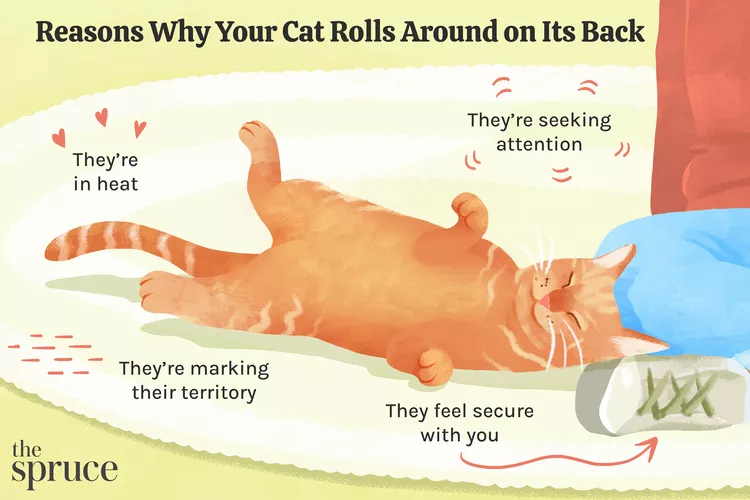
Why Your Cat Is Rolling Around on Its Back
When your cat rolls on its back, it could be telling you something. Rolling can signal the cat feels safe and might want some attention from you.
What Your Cat Is Saying With Its Eyes
Understand how cats communicate with their eyes, from arousal and trust to dominance and aggression.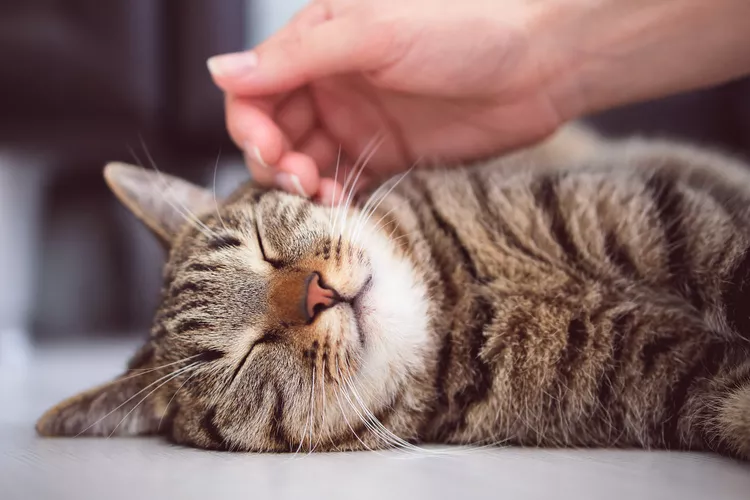
Why Cats Like Being Pet
Why do some cats enjoy being pet and others don't? Learn why certain cats want you to pet them while others just want to be left untouched.
100+ White Cat Names
White cat names can pay homage to their wintry fur, like Snowflake or Frosty, but can also be playful, such as Marshmallow, or elegant, like Pearl.
The First 30 Days With Your New Kitten
The first month is full of changes and excitement for a kitten in a new home. Find out what to expect and what you can do for your new feline friend.
What Is the Difference Between Cat Hair and Fur?
Is there a difference between cat hair and cat fur? Learn the correct terminology and about five different kinds of hair found on your feline.
Explore the Sources of Your Cat's Personality
What influences your cat's personality? Genetics, history, and environmental factors can contribute to your cat's mannerisms and moodiness.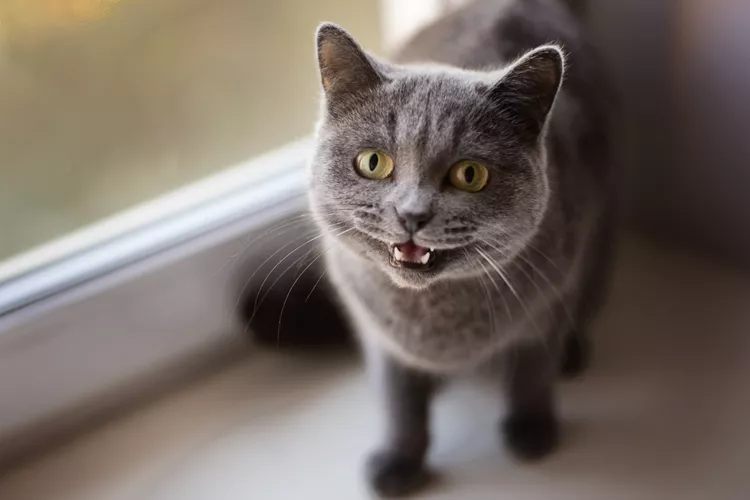
15 Best Movie-Inspired Cat Names
If you are bringing home a kitty and you are a big movie buff, then a cinematic cat name might be right up your alley for your new feline friend.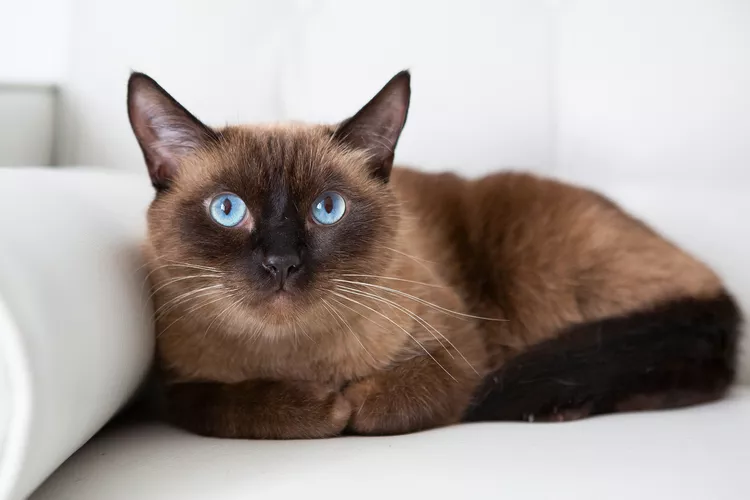
10 Most Intelligent Cat Breeds
Looking for a smart cat? Learn about the pros and cons of 10 intelligent cat breeds, including Burmese and Siamese, to decide if one is right for you.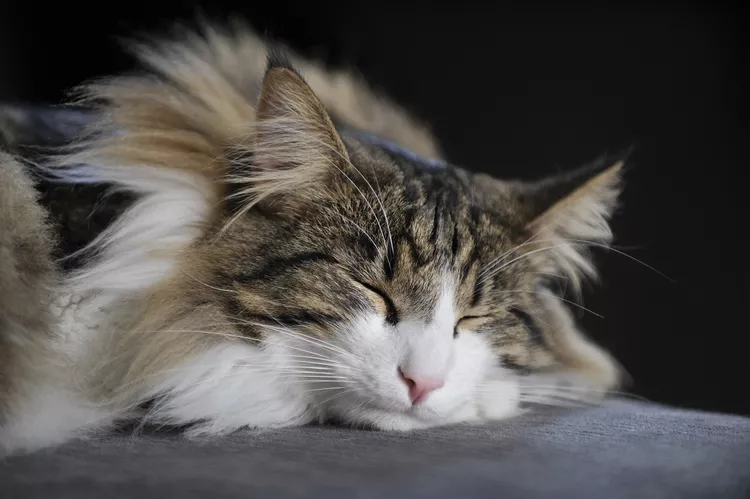
8 Cute Pictures of Norwegian Forest Cats
Learn about the history of Norwegian forest cats, and check out cute pictures of Norway's national cat.
12 Fluffy Cat Breeds Perfect for Endless Cuddles
If you like long-haired cats and don't mind daily (or almost daily) brushing, you’ll love these fluffy cat breeds.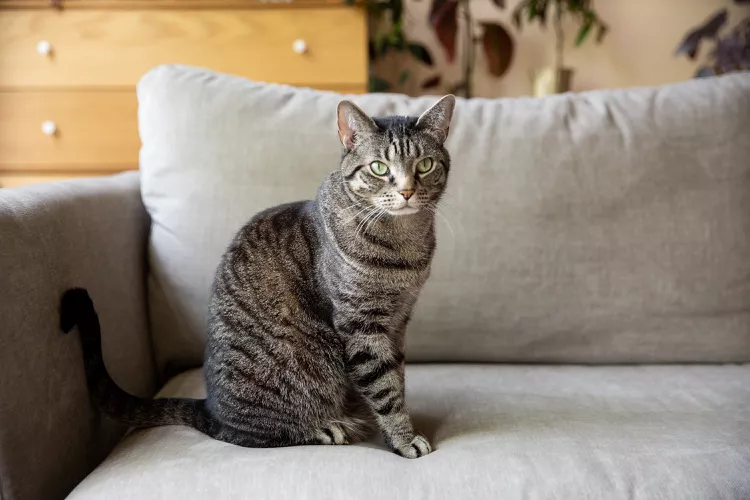
Feline Breeds, Domestic Shorthair Cats, and Color Patterns
Cat lovers often are confused about identifying terms, such as purebred, DSH, and tabby. Learn more about the differences between these terms.
Havana Brown: Cat Breed Profile
The Havana Brown is a beautiful and rare cat breed with an interesting background.
Bambino: Cat Breed Profile, Characteristics & Care
The bambino cat is a controversial cross between a hairless sphynx and the short-legged munchkin. Learn about the bambino breed.
11 Cute Pictures of Ragdoll Cats
Ragdoll cats are known for their beautiful coats and bright, blue eyes. Learn all about the breed, and check out some cute pictures here.
Pictures and Facts About Bengal Cats and Kittens
Bengal cats are a cross between wild cats and domestic cats. Learn more about what they look like and pictures of this beautiful spotted breed.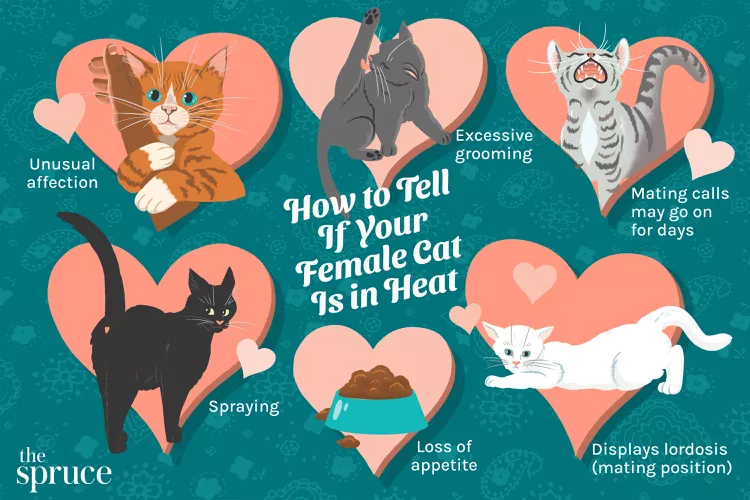
Signs of Heat in Cats
A cat in heat will show several physical and behavioral signs. Here's how to tell if your cat is in heat and how to care for her during this time. Learn the signs and how to prevent pregnancy, even if her cycle has begun.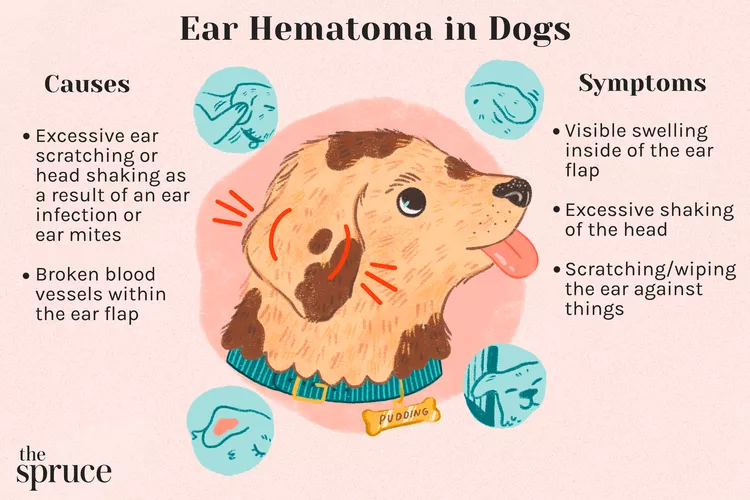
Why Is My Dog’s Ear Swollen? Causes and Treatment of Ear Hematoma
If your dog’s ear is swollen, it could indicate an ear hematoma. Learn the primary causes and treatments for ear hematomas in dogs straight from a veterinarian.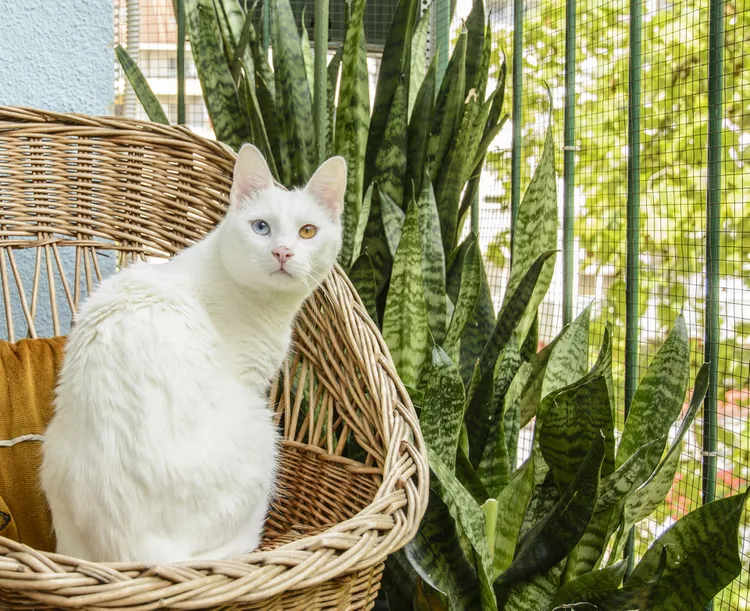
Are Snake Plants Toxic to Cats?
Snake plants can be toxic to cats, depending on the amount of plant ingested and other factors. If you suspect your cat has ingested any amount of a snake plant, seek veterinary attention immediately to prevent serious complications.