Quite a few pet owners choose cats over dogs because "cats are so clean." And it's true: a normal cat can spend as much as 50% of their waking time grooming itself (or another cat). As a result, cats are typically very clean animals, though in some cases grooming can become a form of obsession.
The mother cat's first job after giving birth is to remove the amniotic sac, then lick the kitten with her rough tongue to help stimulate its breathing. Later, when the kitten begins nursing, she will stimulate the kitten to urinate and defecate by licking its hind end.
Kittens, emulating their mothers, start self-grooming by the time they're a few weeks old. If they are part of a litter, they are likely to lick and groom one another as well.
Outside of simple cleanliness, grooming has a number of purposes. Here are some of the most important.
Cats will instinctively lick areas that are painful or inflamed, including wounds. Though it may initially seem helpful for the cat to rid the site of dirt and blood, excessive licking can lead to infection and delay wound healing.
Cats' sense of smell is fourteen times more powerful than that of humans. Most predators, including cats, track prey through scent. A mother cat in the wild will try to hide her young kittens by removing evidence of their feeding. She will wash herself and them thoroughly after nursing. For the same reason, cats will bury uneaten dead prey in the wild. You may observe that same instinctual behavior when you see a cat scratching at the floor around the food dish after eating.
When cats groom, their barb-like tongues stimulate the sebaceous glands at the base of their hairs and spread the resultant sebum throughout the hairs. Their self-grooming also helps rid the coat of dirt and parasites such as fleas. Further, since cats do not have sweat glands, their saliva somewhat helps them cool down on hot days.
Grooming feels good, and cats do seem to groom just because they enjoy it. They will also groom one another (and their human friends) out of what certainly appears to be a desire to share a positive sensation.
Grooming to excess can become an obsessive-compulsive behavior which can lead to bald patches and skin sores.
Cats' over-grooming is often caused by stress and may be likened to humans' habit of biting their nails to the quick. Cats, in general, intensely dislike change of any kind. A new baby, a death in the family, even the rearranging of furniture, could be the trigger for this obsessive grooming. Physical causes might include flea bites, ringworm, or itchiness from allergies, so it is necessary to rule medical issues out before diagnosing a stress response.
Cats who were taken away from their mothers at a very early age were not allowed the normal weaning period, and will often self-groom by licking or sucking. This behavior will usually lessen and disappear over time when the kitten is kept in a safe and predictable environment.

How to Dispose of Cat Litter
Cleaning cat litter is a necessary chore for all cat owners, but what's the best way to dispose of it? Generally, flushing is not a safe option.
Why Your Cat Is Rolling Around on Its Back
When your cat rolls on its back, it could be telling you something. Rolling can signal the cat feels safe and might want some attention from you.
What Your Cat Is Saying With Its Eyes
Understand how cats communicate with their eyes, from arousal and trust to dominance and aggression.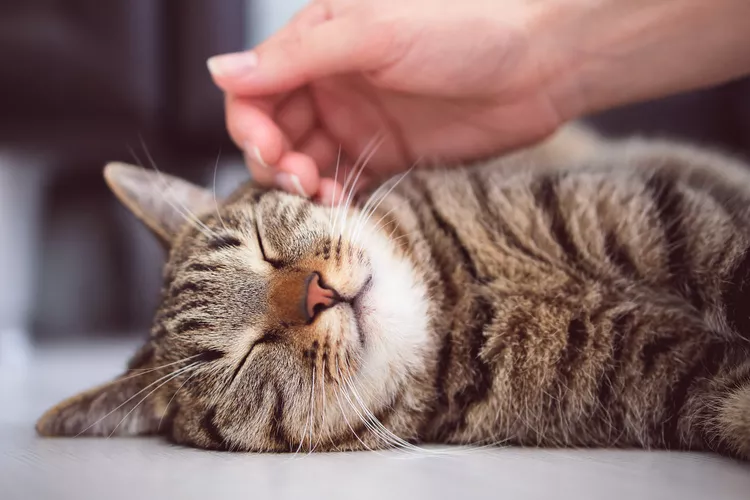
Why Cats Like Being Pet
Why do some cats enjoy being pet and others don't? Learn why certain cats want you to pet them while others just want to be left untouched.
100+ White Cat Names
White cat names can pay homage to their wintry fur, like Snowflake or Frosty, but can also be playful, such as Marshmallow, or elegant, like Pearl.
The First 30 Days With Your New Kitten
The first month is full of changes and excitement for a kitten in a new home. Find out what to expect and what you can do for your new feline friend.
What Is the Difference Between Cat Hair and Fur?
Is there a difference between cat hair and cat fur? Learn the correct terminology and about five different kinds of hair found on your feline.
Explore the Sources of Your Cat's Personality
What influences your cat's personality? Genetics, history, and environmental factors can contribute to your cat's mannerisms and moodiness.
15 Best Movie-Inspired Cat Names
If you are bringing home a kitty and you are a big movie buff, then a cinematic cat name might be right up your alley for your new feline friend.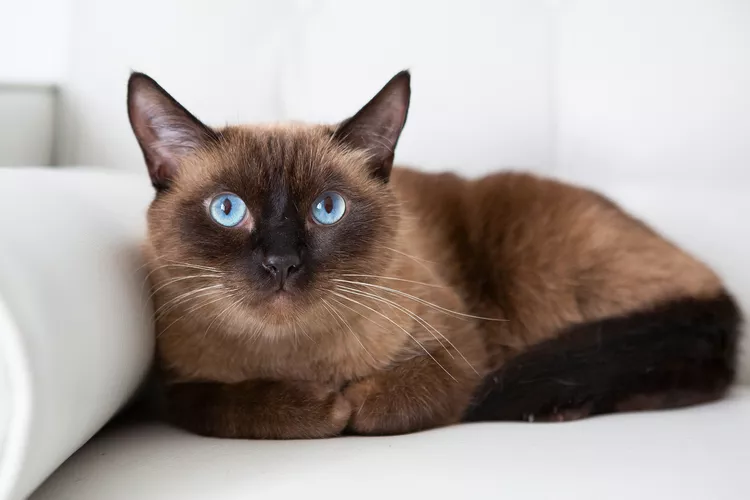
10 Most Intelligent Cat Breeds
Looking for a smart cat? Learn about the pros and cons of 10 intelligent cat breeds, including Burmese and Siamese, to decide if one is right for you.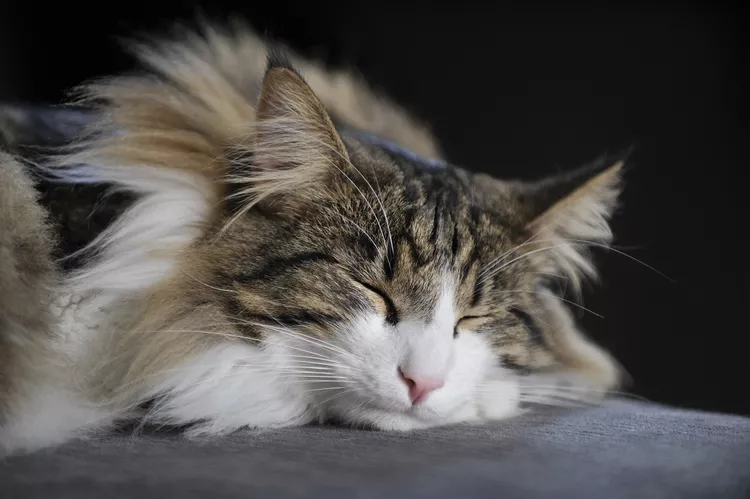
8 Cute Pictures of Norwegian Forest Cats
Learn about the history of Norwegian forest cats, and check out cute pictures of Norway's national cat.
12 Fluffy Cat Breeds Perfect for Endless Cuddles
If you like long-haired cats and don't mind daily (or almost daily) brushing, you’ll love these fluffy cat breeds.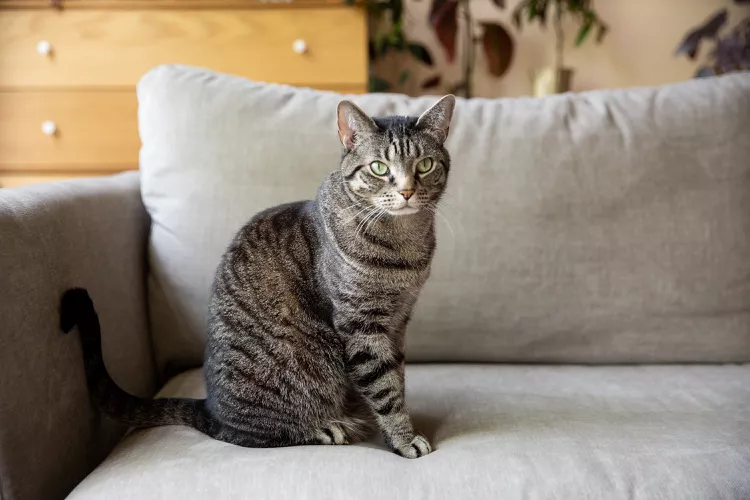
Feline Breeds, Domestic Shorthair Cats, and Color Patterns
Cat lovers often are confused about identifying terms, such as purebred, DSH, and tabby. Learn more about the differences between these terms.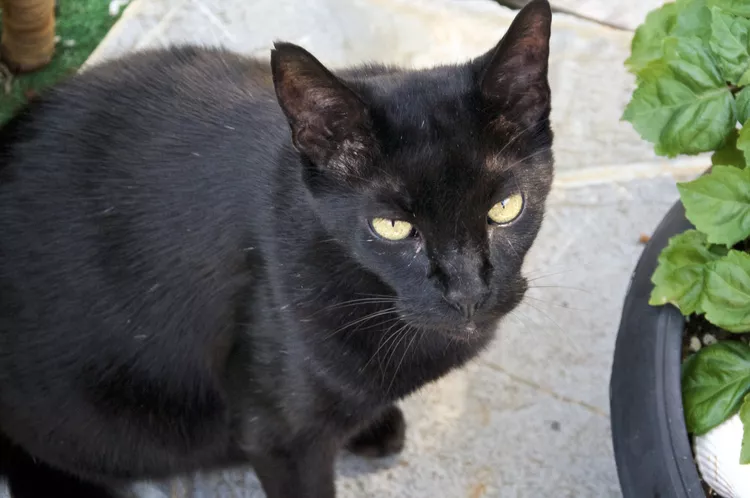
Havana Brown: Cat Breed Profile
The Havana Brown is a beautiful and rare cat breed with an interesting background.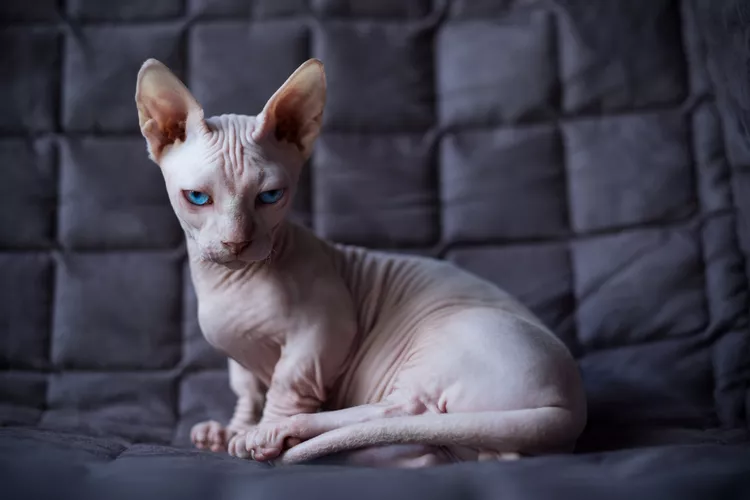
Bambino: Cat Breed Profile, Characteristics & Care
The bambino cat is a controversial cross between a hairless sphynx and the short-legged munchkin. Learn about the bambino breed.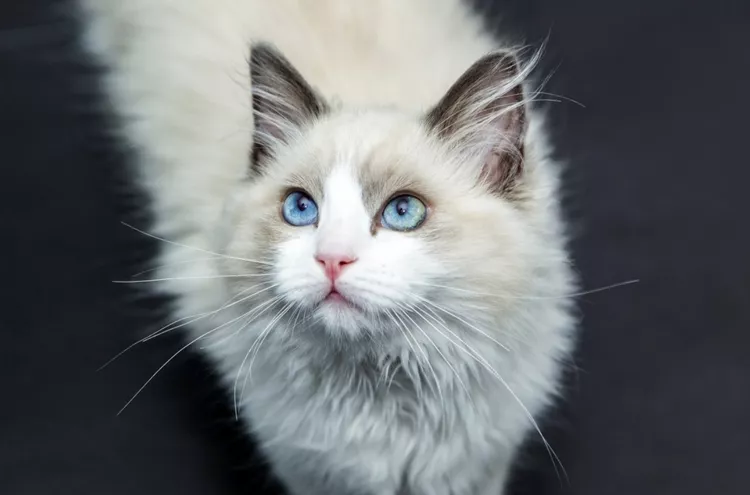
11 Cute Pictures of Ragdoll Cats
Ragdoll cats are known for their beautiful coats and bright, blue eyes. Learn all about the breed, and check out some cute pictures here.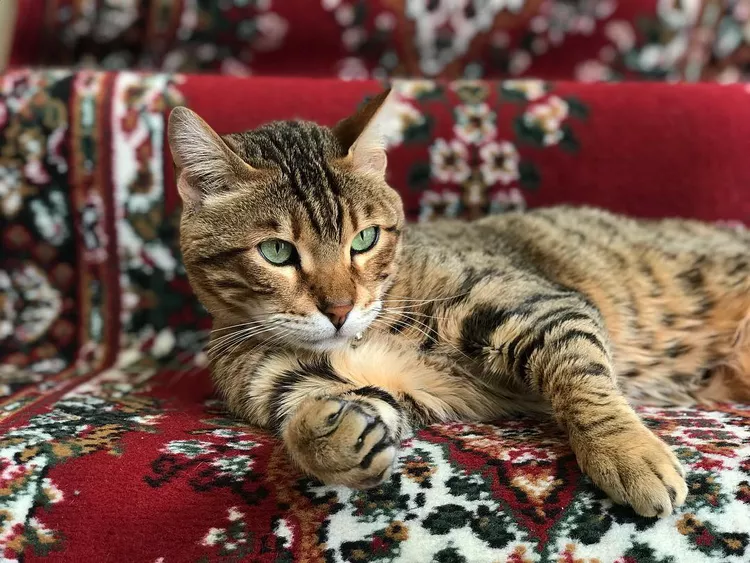
Pictures and Facts About Bengal Cats and Kittens
Bengal cats are a cross between wild cats and domestic cats. Learn more about what they look like and pictures of this beautiful spotted breed.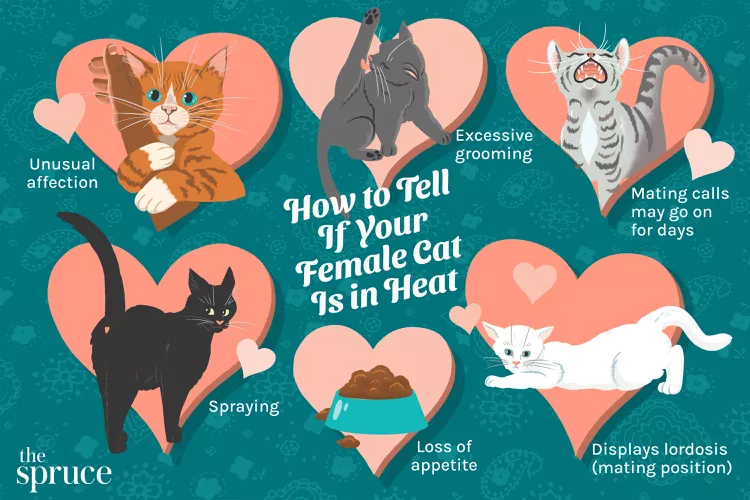
Signs of Heat in Cats
A cat in heat will show several physical and behavioral signs. Here's how to tell if your cat is in heat and how to care for her during this time. Learn the signs and how to prevent pregnancy, even if her cycle has begun.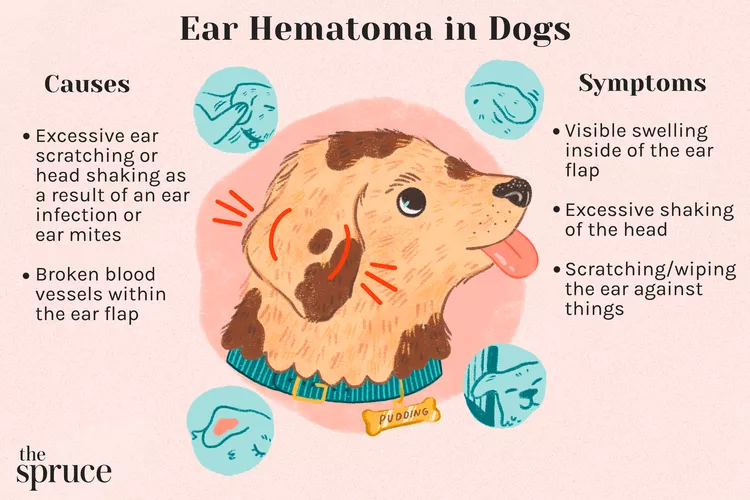
Why Is My Dog’s Ear Swollen? Causes and Treatment of Ear Hematoma
If your dog’s ear is swollen, it could indicate an ear hematoma. Learn the primary causes and treatments for ear hematomas in dogs straight from a veterinarian.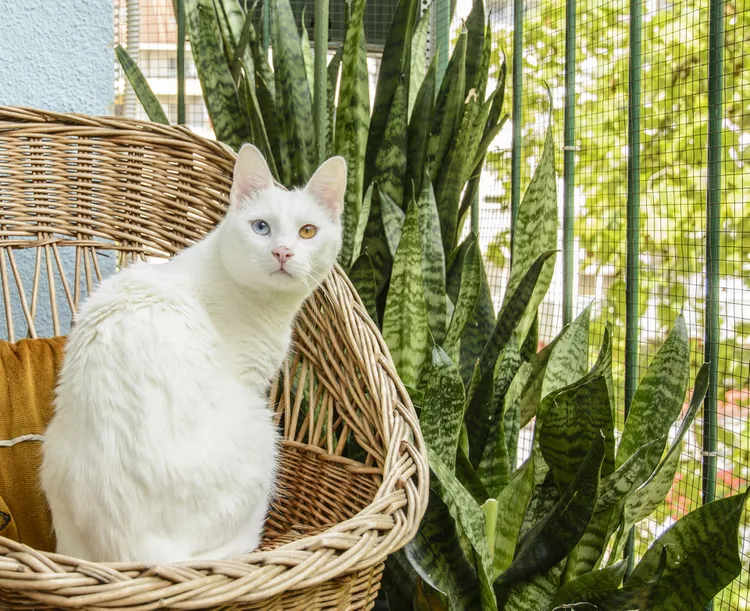
Are Snake Plants Toxic to Cats?
Snake plants can be toxic to cats, depending on the amount of plant ingested and other factors. If you suspect your cat has ingested any amount of a snake plant, seek veterinary attention immediately to prevent serious complications.