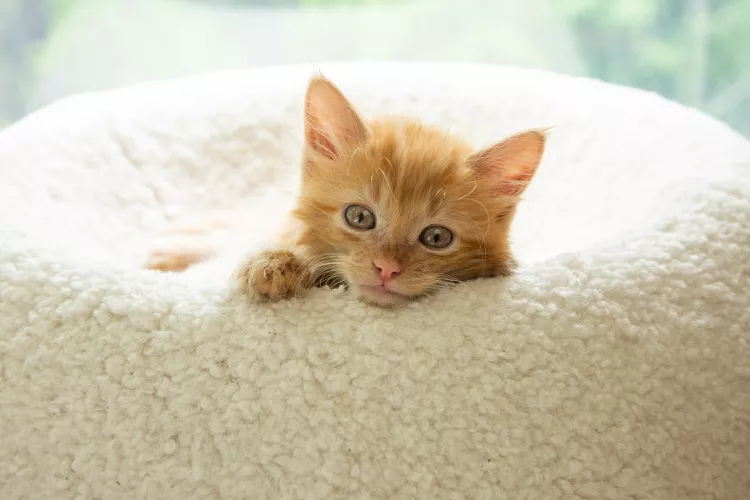
The first six weeks in a kitten's life is crucial for its development. They will grow and develop quickly, however they are susceptible to a number of threats. Now outside the womb, a kitten will need warmth, food, and protection from infectious diseases and parasites (such as fleas).
Kittens will probably never grow again at the remarkable rate they accomplish during this period, and seeing the changes in their development from week to week is an incredible experience. Learn about their first week and move on from there.
The newborn kitten weighs just ounces and easily fits into the palm of your hand. Its umbilical cord will fall off within two or three days, but its eyes and ear canals will not be open yet.
Kittens are very helpless at this age, but the mother cat instinctively knows their needs. She feeds them, keeps them close by for warmth, and bathes them with her rough tongue, which also stimulates their digestion and helps them urinate and defecate. Mother cats are very protective of their little ones and will move them to another location if humans intrude too much into the nest.
Provided the mother has been vaccinated or has natural immunity, the kittens will receive this same immunity for the first 24 to 48 hours through her colostrum, and it will last until they are old enough to get their kitten shots.
Newborns will weigh an average of 3.5 ounces at birth and may double their weight by the end of the first week. It's a good idea to weigh them and monitor their weight to ascertain if they are getting adequate nutrition. They are simply little food processing factories at this point, and their only activities are nursing, sleeping, and passing waste. There is very little social interaction at this age, other than competing for their favorite nipple, where they will suckle while kneading with their tiny paws.
The rule of thumb in regards to the amount to feed young kittens is eight cc of formula per ounce of body weight per day. You will gradually increase the amount of formula for each feeding and decrease the number of feedings. A cubic centimeter (cc) is the same as a milliliter (ml). An ounce equals 30 cc or ml.
Your kitten is continuing its growth at an astonishing rate, by at least 10 grams per day. The mother cat should be fed a quality canned kitten food to help replenish the nutrients she loses through nursing. Later on, the kittens will be introduced to the same food.
Its eyes will start to open and will be completely open at nine to 14 days old. All kittens' eyes are blue and will remain so for several weeks. Their vision will be blurred at first, and their pupils don't dilate and contract readily, so they should be kept from bright lights.
Ear canals will be completely open, and their sense of hearing is still developing. However, the kittens may startle at loud sounds. Their ears may be fully erect by this age.
Their eye color may start to change, from the blue shared by all kittens to the adult hue. Their sense of smell will be well developed. Kittens can voluntarily eliminate now, as their digestive system is developing. The mother cat will continue to clean them until they learn grooming skills.
Don't be surprised to hear kittens start to purr at this young age. Baby teeth will start to come in now, and the mother cat will start thinking about weaning.
Kittens will start to stand sometime between the third and fourth weeks and will try to walk, although their first movements will be very wobbly. Their bodies are out of proportion to their eventual adult state. Little tails are very short and "stick-like," and their heads are disproportionately large for their bodies and legs. This will all change, though, as they get their "sea legs" and start moving around.
Don't be surprised to see kittens escaping from their nesting area as they seek to expand their horizons. They will also interact more with their litter mates, even to the point of forming "alliances," which may or may not be gender-based.
Kittens will continue to nurse regularly. It is important to continue feeding the mother good quality food, as long as she is nursing kittens.
Kittens will be walking around freely at this time and starting to play with their siblings. They will be developing a new sense of independence, although they may not stray far from their mother or their littermates. This will be a very good time for them to socialize with humans.
Kittens may be introduced to canned food at this time. Select a quality brand of kitten food with a named meat source as the first ingredient (chicken is good). Ideally, they should be given the same kitten food given the mother cat, as the kittens will quickly accommodate and eat mom's food. Use a shallow plate and expect their first experiences to be messy.
Although the mother cat will try to wean the kittens, they still need the nursing experience to satisfy their suckling needs—at least until they are eight or 10 weeks old, by which time the mother cat will have gradually weaned them.
Kittens can also learn litter box basics now. They need a smaller, separate box, one that will be easy to access and exit, with only an inch or two of litter. A shallow plastic storage box or lid to a shoebox might work for starters. As human babies experiment by tasting everything, so will kittens. Avoid their ingestion of harmful substances by using a natural litter such as one made from corn cobs, paper, or wood chips—never use clumping clay.
Socialization skills continue, and there is no doubt that these are lively, active, kittens who will grow up all too soon to be adult cats. They can run, pounce, and leap, and can entertain themselves and their human observers endlessly. Just as quickly they can fall asleep at the drop of a hat (growing up is hard work), so take care not to let them tire.
Kittens will follow their mother cat's lead in socializing with humans. If she has a comfortable relationship with the humans in her life, so will her kittens. However, if kittens are not accustomed to human handling by six weeks, it may be a long, slow, process to train them later, and such a cat may never be a "lap cat."
Well-socialized and completely weaned kittens may be ready for their new forever homes in just a couple of weeks from now. If you've been waiting for kittens to be old enough to adopt, you'll probably be pretty excited by this time.
Patience, though. Remember, "all good things are worth waiting for," and in ideal circumstances, kittens are not ready for adoption until they are between 7 and 9 weeks old.

How to Dispose of Cat Litter
Cleaning cat litter is a necessary chore for all cat owners, but what's the best way to dispose of it? Generally, flushing is not a safe option.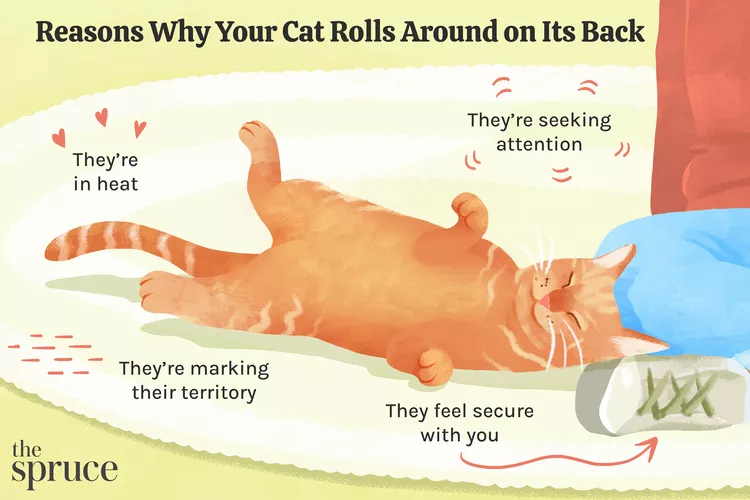
Why Your Cat Is Rolling Around on Its Back
When your cat rolls on its back, it could be telling you something. Rolling can signal the cat feels safe and might want some attention from you.
What Your Cat Is Saying With Its Eyes
Understand how cats communicate with their eyes, from arousal and trust to dominance and aggression.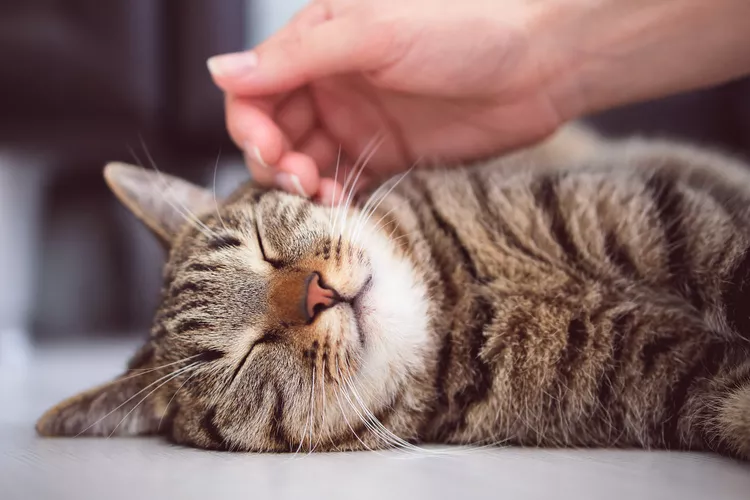
Why Cats Like Being Pet
Why do some cats enjoy being pet and others don't? Learn why certain cats want you to pet them while others just want to be left untouched.
100+ White Cat Names
White cat names can pay homage to their wintry fur, like Snowflake or Frosty, but can also be playful, such as Marshmallow, or elegant, like Pearl.
The First 30 Days With Your New Kitten
The first month is full of changes and excitement for a kitten in a new home. Find out what to expect and what you can do for your new feline friend.
What Is the Difference Between Cat Hair and Fur?
Is there a difference between cat hair and cat fur? Learn the correct terminology and about five different kinds of hair found on your feline.
Explore the Sources of Your Cat's Personality
What influences your cat's personality? Genetics, history, and environmental factors can contribute to your cat's mannerisms and moodiness.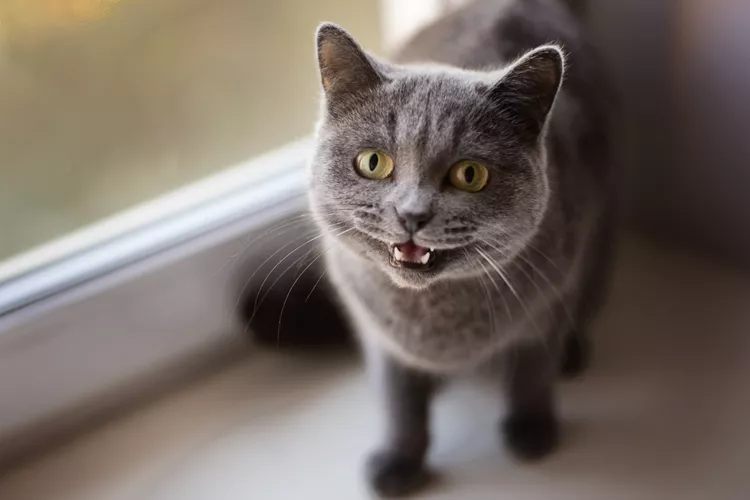
15 Best Movie-Inspired Cat Names
If you are bringing home a kitty and you are a big movie buff, then a cinematic cat name might be right up your alley for your new feline friend.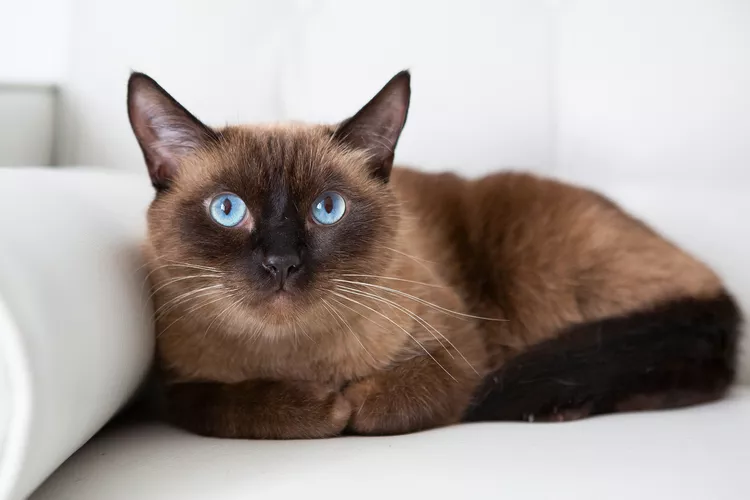
10 Most Intelligent Cat Breeds
Looking for a smart cat? Learn about the pros and cons of 10 intelligent cat breeds, including Burmese and Siamese, to decide if one is right for you.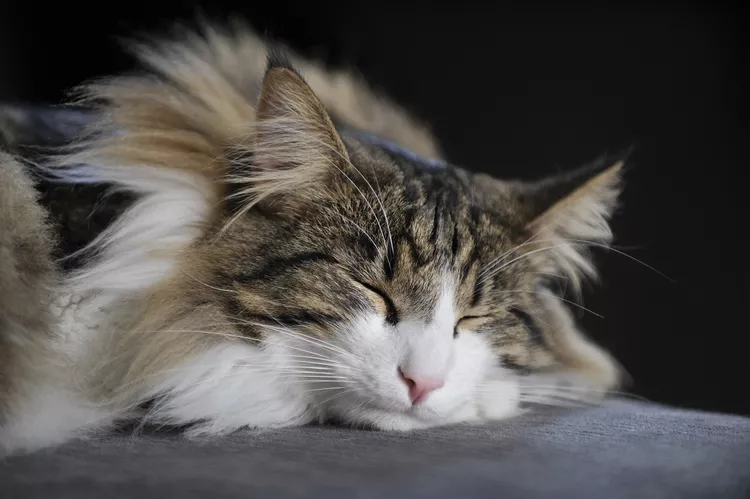
8 Cute Pictures of Norwegian Forest Cats
Learn about the history of Norwegian forest cats, and check out cute pictures of Norway's national cat.
12 Fluffy Cat Breeds Perfect for Endless Cuddles
If you like long-haired cats and don't mind daily (or almost daily) brushing, you’ll love these fluffy cat breeds.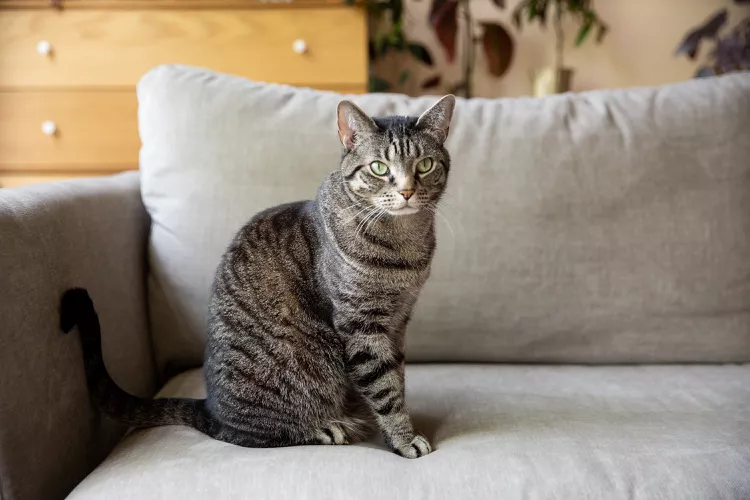
Feline Breeds, Domestic Shorthair Cats, and Color Patterns
Cat lovers often are confused about identifying terms, such as purebred, DSH, and tabby. Learn more about the differences between these terms.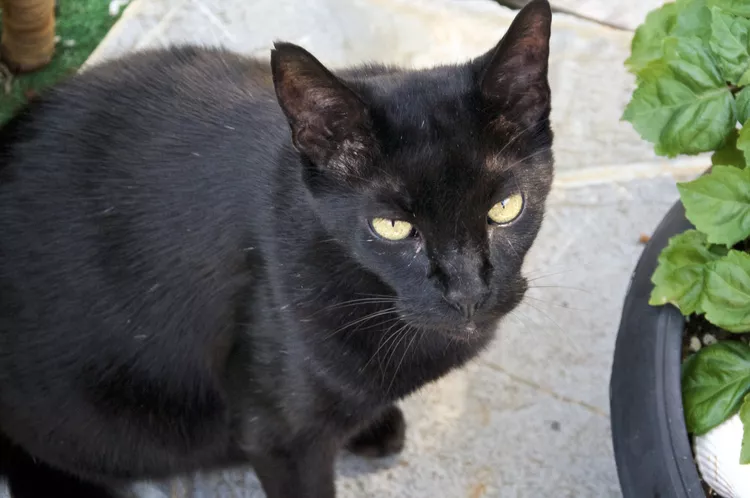
Havana Brown: Cat Breed Profile
The Havana Brown is a beautiful and rare cat breed with an interesting background.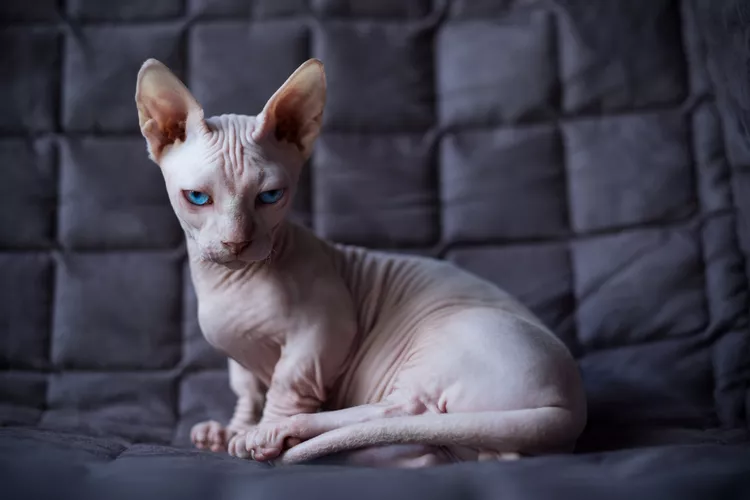
Bambino: Cat Breed Profile, Characteristics & Care
The bambino cat is a controversial cross between a hairless sphynx and the short-legged munchkin. Learn about the bambino breed.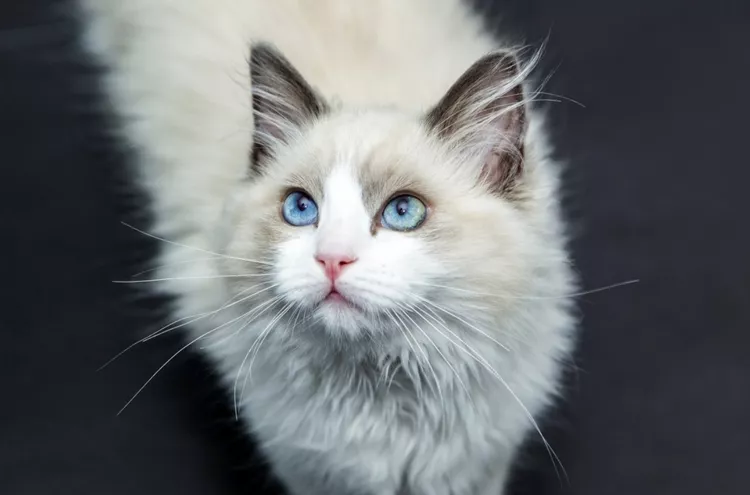
11 Cute Pictures of Ragdoll Cats
Ragdoll cats are known for their beautiful coats and bright, blue eyes. Learn all about the breed, and check out some cute pictures here.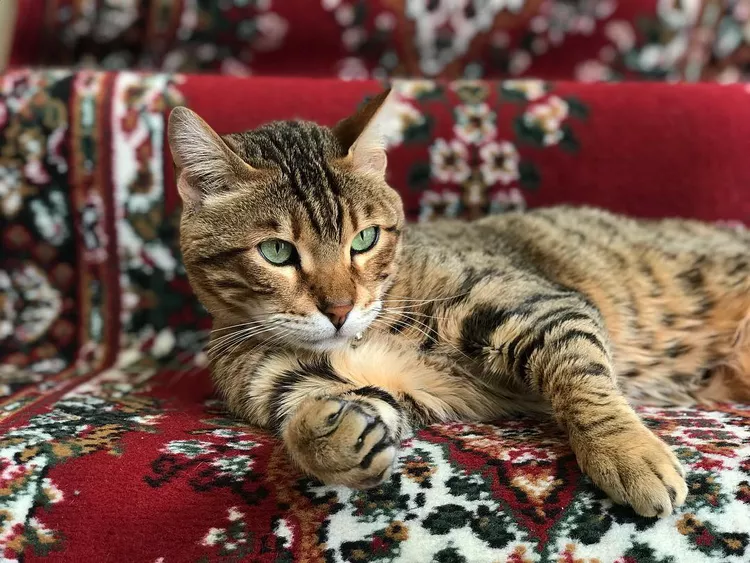
Pictures and Facts About Bengal Cats and Kittens
Bengal cats are a cross between wild cats and domestic cats. Learn more about what they look like and pictures of this beautiful spotted breed.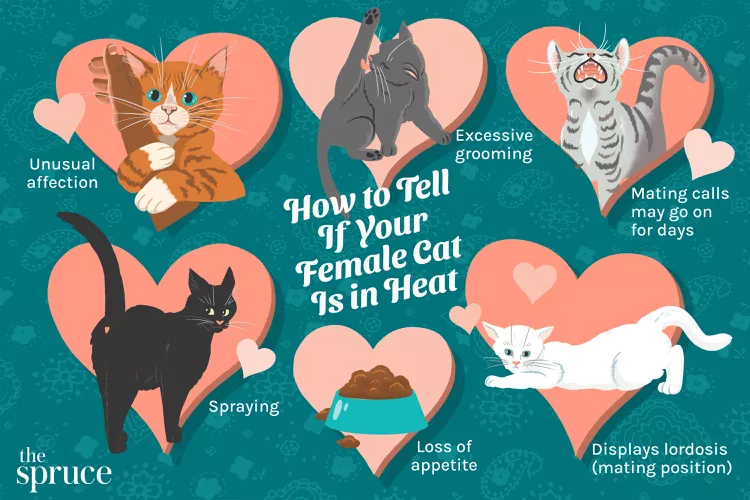
Signs of Heat in Cats
A cat in heat will show several physical and behavioral signs. Here's how to tell if your cat is in heat and how to care for her during this time. Learn the signs and how to prevent pregnancy, even if her cycle has begun.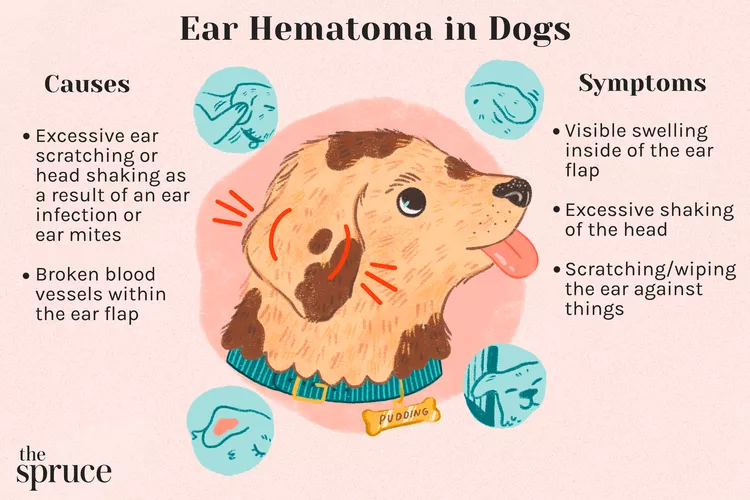
Why Is My Dog’s Ear Swollen? Causes and Treatment of Ear Hematoma
If your dog’s ear is swollen, it could indicate an ear hematoma. Learn the primary causes and treatments for ear hematomas in dogs straight from a veterinarian.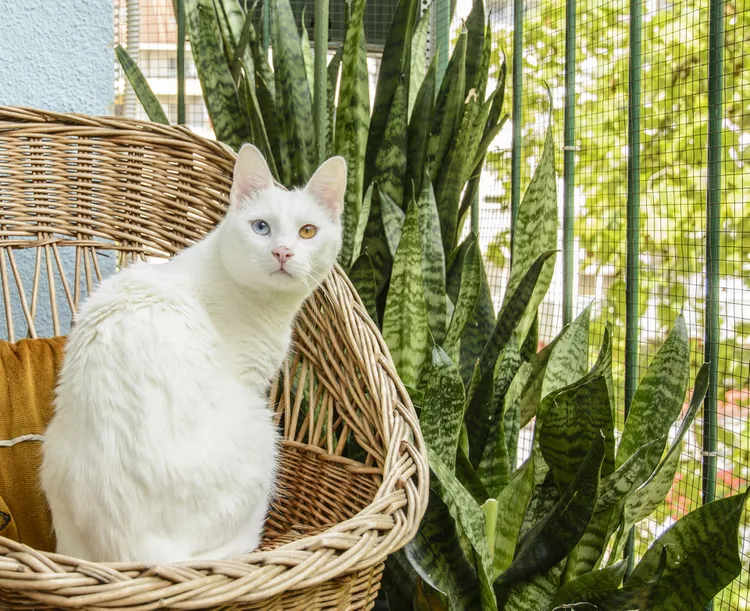
Are Snake Plants Toxic to Cats?
Snake plants can be toxic to cats, depending on the amount of plant ingested and other factors. If you suspect your cat has ingested any amount of a snake plant, seek veterinary attention immediately to prevent serious complications.