
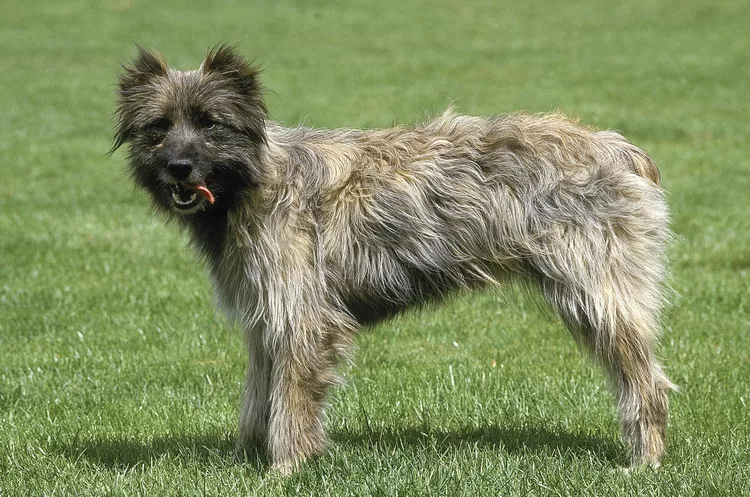
The Pyrenean Shepherd (also known as Pyr Shep) is a medium-sized herding breed from France with a lean body, almond-shaped eyes, upright ears, and either a rough-faced or smooth-faced coat type. These athletic, intelligent dogs have a longstanding history of guarding livestock in the Pyrenees Mountains on the border of France and Spain.
While they're far from being the most popular of today's purebreds, these intelligent, curious dogs have a lot to offer when it comes to working. Pyr Sheps are herding dogs at heart. Bred from the same ancient line of dogs, they're related to the Great Pyrenees and share its affinity for family and affection. However, unlike their giant, fluffy cousins, Pyrenean Shepherds love to run fast and tend to excel in agility sports. Combined with their loving nature, Pyr Sheps make great dogs for owners that can provide them with a job to do.
Breed Overview
Group: Herding
Height: 15.5 to 18.5 inches (rough-faced males); 15 to 18 inches (rough-faced females); 15.5 to 21 inches (smooth-faced males); 15.5 to 20.5 inches (smooth-faced females)
Weight: 15 to 30 pounds
Coat: Coat may be rough-faced (wiry and windswept) or smooth-faced (short and fine-textured)
Coat Color: Black, white, gray merle, brindle, and fawn
Life Span: 17 to 19 years
Temperament: Energetic, protective, intelligent, affectionate, bright
Hypoallergenic: No
Origin: France
Characteristics of the Pyrenean Shepherd
The Pyrenean Shepherd has an energetic, playful personality that pairs well with active families. A few walks each day aren't enough to keep this herding breed entertained. As a skilled worker, the Pyr Shep needs vigorous exercise and mental stimulation. With the right amount of activity, these dogs are especially loving and protective. This breed does very well with children, but it's not recommended for homes with other pets; its temperament can become bossy when its herding instincts kick in. Your Pyrenean Shepherd will be happiest when it's spending time outdoors with you and doing activities like canine sports, advanced training, or practicing herding lessons.
History of the Pyrenean Shepherd
Today’s Pyrenean Shepherds evolved from the ancient herding line of the Pyrenees, named for their native home in the Pyrenees Mountain Range that marks the divide between Southern France and Spain. The exact origin date of the Pyr Shep breed is unknown, but evidence shows that they’ve been actively bred since at least medieval times. Shepherds in the Pyrenees have relied on Pyr Sheps to herd and guard their livestock, particularly sheep—a relationship that is still going strong today.
The first Pyrenean Shepherds in the United States were likely introduced as contract herders with the Western Range Association in the 1940s. Over the next few decades, this association brought over many more Pyr Sheps to engage in herding work, but the breed wasn't recognized by the AKC until 2009. In 2015, a male Pyrenean Shepherd named Sun Bear became the first (and so far, only) dog of the breed to win the AKC’s coveted all-breed Best in Show designation.
:strip_icc():format(webp)/GettyImages-977898246-1942d4364fa64bd2ba792a86f4f24715.jpg)
Pyrenean Shepherd Care
The Pyrenean Shepherd requires plenty of time to exercise each day, which can be combined with training time through mentally stimulating activities and lessons. Aside from learning new skills, this breed enjoys playing with its owners at home. Like many other dogs with long hair, brushing is key when it comes to grooming your Pyr Shep's coat.
Exercise
Pyrenean Shepherds are high-energy dogs who require a lot of attention from their caregivers. Remember: Pyr Sheps were born to herd other animals. If they’re not getting an opportunity to participate in the job they love, they’ll need to exert that energy somewhere else.
Agility training and other sports are a great outlet for Pyr Sheps, but long walks and plenty of active games in the backyard will also suffice. Owners should plan for at least one hour (ideally, two) of exercise each day to keep these athletic dogs in shape and happy. Without sufficient mental stimulation, your Pyr Shep might find other means of entertainment that can lead to destructive behaviors in the house.
Grooming
Both rough-faced and smooth-faced Pyrenean Shepherds need to be brushed at least weekly to keep their coats looking their best. All that signature scruff can tangle easily, especially the breed’s undercoat, which is soft and prone to mats. Bathe your dog on an as-needed basis when its coat becomes dirty.
In addition to weekly grooming sessions, brush your Pyr Shep’s teeth often—seven days a week is ideal, but weekly brushings still help prevent dental disease. Take care to keep your dog's nails trimmed and ears clean as well. Clean the ears with a pet-safe ear cleaner and a cotton ball, avoiding cotton swabs that may damage the delicate inner ear structure.
Training
One of the best things about Pyrenean Shepherds is their intelligence and willingness to learn. They’re not the most trainable of all dog breeds, but they do love to play games and can pick up on the rules pretty quickly. Always use positive reinforcement training, offering treats, affection, and playtime as rewards to encourage desirable behavior.
Methods like clicker training are also very effective for these herding dogs. Basic obedience lessons should begin when puppies are about eight weeks old, and training can continue throughout the dog's life. Pyr Sheps want to please their caregivers. The more affirmation they receive for doing the right thing, the faster they'll pick up on advanced training and fun tricks.
Common Health Problems
Pyrenean Shepherds are known to live long lives (even into their late teens), but there are still some genetic diseases associated with this breed. If you purchase your Pyr Shep from a responsible breeder, you should receive comprehensive information including the medical history of the dog’s known bloodline. If you rescue your Pyr Shep, it's best to have initial testing performed by your veterinarian to ensure your pup is healthy and fit. The national breed club recommends evaluations for the eyes, hips, and knees.
The following are common conditions associated with this breed:
- Hip Dysplasia: This condition is caused by a malformation in your dog's joints as they grow, and severe cases may require corrective surgery.
- Progressive Retinal Atrophy (PRA): PRA affects the retina in your dog's eyes and impairs their vision, eventually causing blindness.
- Epilepsy: Epilepsy is a neurological disorder that causes seizures in dogs. Mild to moderate cases can usually be treated with medication.
Diet and Nutrition
Like all dogs, Pyrenean Shepherds do best on a diet of high-quality dog food that is optimized to their individual needs, including their age, weight, and activity level. Pyr Sheps do not have any unique food allergies, but always be careful when introducing your dog to new foods and visit your vet at any sign of stomach distress.
Since these dogs are so active, they're not as likely to become overweight or obese as other breeds with lower energy levels. Pyr Sheps that get plenty of exercise each day can usually have a few extra treats, but owners should still monitor their dogs to prevent excess weight gain. If you're unsure how much to feed your dog, talk to your veterinarian to determine a healthy diet and portion plan based on their specific needs.
Where to Adopt or Buy a Pyrenean Shepherd
The Pyrenean Shepherd is a rare dog breed, so it's unlikely for prospective adopters to find these dogs in most local shelters, but national organizations exist to rescue this breed. Your local shelter can also introduce you to similar herding dogs in need of forever homes.
If you're planning to purchase from a breeder, it's essential to research responsible breeders to increase the chances of your dog living a long, healthy life. Always ask your breeder to provide the litter's medical history and results from any relevant genetic tests. These puppies typically cost between $700 and $1,200 from breeders, but prices may vary based on pedigree and availability.
The following resources for breed-specific rescues, the national breed club, and the AKC can help you start your search:
- Pyrenean Shepherd Club of America Rescue
- Pyrenean Shepherd Club of America Breeders
- AKC Pyrenean Shepherd Breeders
Pyrenean Shepherd Overview
Smart, adaptable, and affectionate
Incredibly kid-friendly
Long lifespan
Not ideal for first-time dog parents
Not typically friendly with other dogs
Needs considerable exercise and mental stimulation daily
:strip_icc():format(webp)/4--running-dogs-in-a-row-180675748-5c6461ebc9e77c00016628ad.jpg)
More Dog Breeds and Further Research
If you love the Pyrenean Shepherd, you may also like these similar breeds:
There are plenty of wonderful dog breeds that can join your family. With a little research, you can find the right one to bring home!
-
Are Pyrenean Shepherds Good Family Dogs?
Pyrenean Shepherds are known for being very affectionate toward their owners, especially children. These dogs do best with active families that can commit plenty of time each day to their exercise needs.
-
What Does a Pyrenean Shepherd Look Like?
The Pyrenean Shepherd breed includes two different types of coats. The rough-faced Pyr Shep has wiry fur and a bearded face, while the smooth-faced Pyr Shep has softer fur that feathers on its legs and tail. Both types of this breed have pointed ears and lean, athletic builds.
-
How Long Do Pyrenean Shepherds Live?
Pyrenean Shepherds have very long lifespans in comparison to many similar breeds, often living well into their teens. These dogs typically live to be about 17 to 19 years old.