
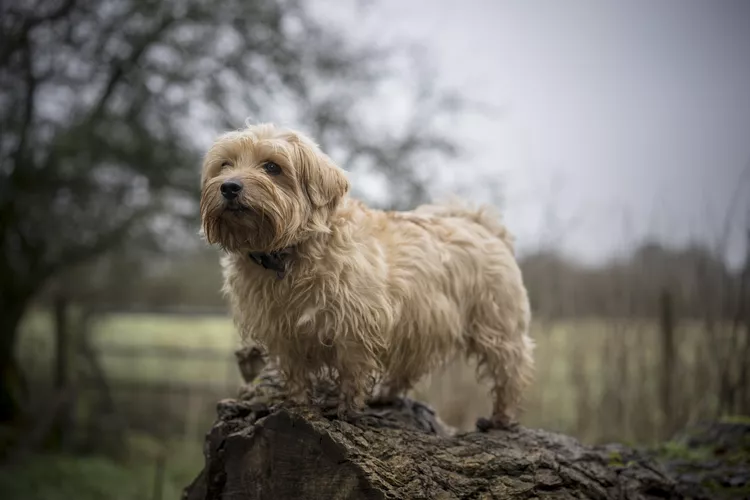
The Norfolk terrier is a small terrier dog breed from the United Kingdom with a short, wiry coat that sheds minimally. Norfolks are sturdy and athletic little dogs, as they were originally bred to exterminate rodents in barns. They have a well-balanced body with dark, oval eyes and small, drop ears. Longer fur around the neck and shoulders creates a mane. Like most terriers, Norfolks are alert and feisty, as well as very devoted to their owners.
Breed Overview
Group: Terrier
Height: 9 to 10 inches
Weight: 11 to 12 pounds
Coat: Short, wiry double coat
Coat Color: Black and tan, grizzle, red, or red wheaten
Life Span: 12 to 16 years
Temperament: Affectionate, lively, fearless
Hypoallergenic: Yes
Origin: United Kingdom
Characteristics of the Norfolk Terrier
The Norfolk terrier generally has a very friendly and upbeat temperament. This dog is affectionate with its family and even open to meeting strangers. High energy and a tendency to bark also help to shape the breed’s personality.
History of the Norfolk Terrier
The Norfolk terrier can trace its history back to the 1800s in England. Breeders were developing small working terriers primarily to be used for ratting, as well as fox hunting.
This is how both the Norfolk and Norwich terriers arose. They initially were considered one breed, even though the Norfolk has drop ears while the Norwich has upright ears. It’s thought that small local terriers were crossed with short-legged Irish terriers and red Romani terriers to get this breed.
Interbreeding between the Norfolk and Norwich terriers ceased after World War II. And the Kennel Club of England first recognized the Norfolk as its own breed in 1964. The American Kennel Club accepted the breed in 1979.
Norfolk Terrier Care
Norfolk terriers are active, playful dogs, but it doesn't take an extreme amount of exercise to tire them out. They do require some specialized grooming. As busy and energetic pups, they should receive early and consistent training.
Exercise
Plan to spend at least an hour per day exercising your dog. Walks, hikes, and vigorous playtime all are ideal ways to get out some energy. Puzzle toys also can challenge this dog mentally. Norfolk terriers can excel in dog sports, including agility and tracking.
When outside, make sure to keep your Norfolk terrier on a leash or in a securely fenced area. Otherwise, its prey drive might cause it to run off chasing a small animal or other perceived prey.
Grooming
Brush your Norfolk terrier’s coat weekly to remove any loose fur and dirt. Then, the coat will require hand-stripping at least twice per year to remove dead fur. You’ll either have to find a groomer for this process or learn how to do it at home. Do not cut the coat, as this ruins the texture.
Bathe your dog every four to six weeks or when it gets dirty. But check its ears at least weekly to see whether they need cleaning. Also, trim its nails roughly every month, and ideally brush its teeth daily.
Training
Norfolk terriers are smart, but they can be stubborn about when they want to obey. Start training and socializing at a young age to instill good behaviors and help to prevent bad habits from forming. Always use positive-reinforcement training methods, such as treats and praise. And try to make training sessions feel fun and varied to hold your dog’s attention.
This breed typically gets along well with strangers and even other dogs, especially when socialization starts during puppyhood. But it might perceive smaller household pets as prey.
Common Health Problems
The Norfolk terrier is a relatively healthy breed, but it is prone to some hereditary health issues, including:
- Patellar luxation
- Heart problems
- Eye problems
- Hip dysplasia
- Ichthyosis, a skin condition
Diet and Nutrition
Always have fresh water available for your Norfolk terrier. Feed it a nutritionally balanced canine diet, typically via two measured meals per day. Be sure to discuss both the type of food and the amount with your vet to verify that you’re meeting your dog’s individual needs. Also, be mindful of treats and other extra food. These little dogs can be good at begging. But even weight gain of a pound can be a lot on their small frames.
Where to Adopt or Buy a Norfolk Terrier
The Norfolk terrier isn’t very common in North America. But it’s still worth checking local animal shelters and rescue organizations for a dog in need of a home. Try to get your name on a breed wait list if possible. For a puppy from a reputable breeder, expect to pay around $1,500 to $4,000 on average.
For more information to help connect you with a Norfolk terrier, check out:
Norfolk Terrier Overview
Affectionate and friendly
Adaptable and portable
Low shedder
Strong prey drive
Can be stubborn about training
Requires specific grooming techniques
More Dog Breeds and Further Research
The Norfolk terrier is a unique dog breed that might be just right for your situation, if you understand the breed and what it needs. Be sure to do your research to determine if the Norfolk terrier is right for you.
If you’re interested in similar breeds, check out:
There’s a whole world of potential dog breeds out there—with a little research, you can find the right one to bring home!
-
What's the difference between a Norfolk and Norwich terrier?
The Norfolk and Norwich terriers are closely related and once were classified as the same breed. However, the Norfolk terrier's ears fold over while the Norwich's ears are erect and pointed.
-
Are Norfolk terriers good family dogs?
Well-trained and socialized Norfolk terriers generally are good around children. However, any rough handling might injure this small dog.
-
Are Norfolk terriers good apartment dogs?
A Norfolk terrier can do quite well in an apartment, as this small breed doesn’t need much space to get its energy out. However, the breed also tends to be a good watchdog and will alert bark at strangers, so noise might be a concern in an apartment building.