
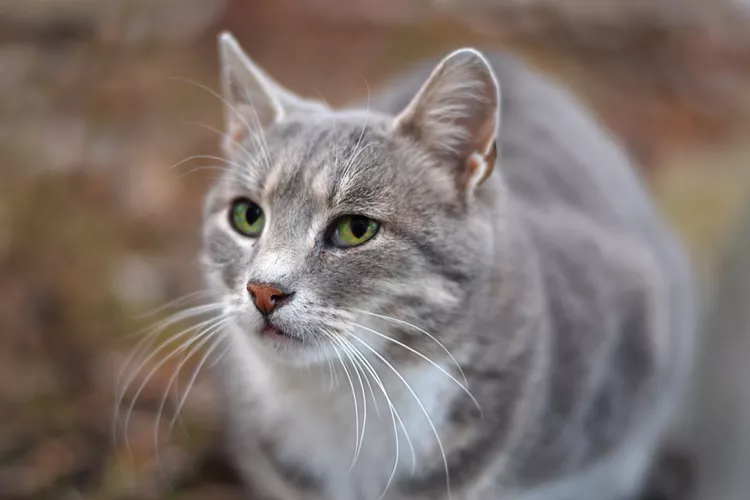
While it is more commonly known that male cats spray, some female cats may also practice this unwanted behavior. No cat owner likes it when their cat sprays but this behavior is often displayed because a cat is trying to say something.
Underlying reasons could, for example, include stress, territorial marking, or medical issues. Knowing why your female feline may be spraying and what you can do about it can help ease some stress and frustration for both you and your cat.
What Is Urine Spraying?
Female cats may urinate outside their litter box and practice inappropriate elimination, but when they pee vertically instead of on the ground it is referred to as spraying or marking.
When a cat marks, urine is sprayed against a wall, a piece of furniture, or another surface. Your cat will stand up, raise its tail, quiver, and back up to the item it is about to spray. It is typically only a small amount of urine that sprays out instead of a steady stream that is produced during a normal, squatting, urination.
Why Do Female Cats Spray Urine?
Like a male cat, a female cat may spray urine for a variety of reasons, but these reasons can typically be classified as either a response to an environmental stressor or a territorial behavior. Intact females may also spray urine while they are in heat to attract male cats.
Environmental stressors may include new people, such as a baby in the home, a new puppy or other animal that is annoying or upsetting your cat, construction or remodeling in your home, boredom in the feeding regimen or lack of playtime, litter concerns such as scented or dirty litter, a litter box that your cat doesn't like, such as a covered or automatic cleaning box, and more. Basically, if your cat is upset or stressed about something it may spray, but it may also be hard for you to figure out exactly what your cat is upset about.
Territorial reasons for spraying can include outdoor cats that your cat can see or hear while it is indoors or even new cats in your home. Spraying tells other cats that the space has already been claimed by them and they are not to be messed with.
Can Female Cats Still Spray After Being Spayed?
Spaying a female cat will decrease the likelihood that it will spray, but a small percentage of cats will still spray even after having this surgical procedure performed. According to the Cornell Feline Health Center, 5% of female cats will continue to spray after they have been spayed.
Spaying a cat helps to decrease territorial reasons for spraying since fewer hormones are affecting it, but if your cat is stressed or upset about something in its environment, it is still physically capable of spraying.
How to Stop Urine Spraying
All types of inappropriate elimination, including urine spraying, can be difficult and frustrating to stop but there are a few things you can do.
- Spaying: The best way to decrease urine spraying in a female cat that sprays while she is in heat is to have her spayed. This is typically done at a young age but can be performed in older cats as well. Your veterinarian will recommend an age for your cat to be spayed.
- Neutralize the odor: If your cat has sprayed urine in the house, the first thing you'll want to do is eliminate the odor. But simply cleaning up and deodorizing the mess won't stop your female cat from spraying in the same spot again so you'll want to ensure you use an enzymatic cleaner to clean up the urine.
- Change the litter or litter box: If you suspect your female cat is spraying because of the litter or litter box, consider switching to an unscented litter in a shallow, uncovered litter box. She may also prefer a location with more privacy. Consider getting additional litter boxes if there are multiple cats in the home.
- Get rid of the stressor(s): If something in or around your home is causing your cat to become upset or stressed, do what you can to get rid of the stressor or at least block your cat from being able to see and hear it. This of course isn't always possible though, depending on what the environmental stressor is.
- Pheromones: Sprays, wipes, and plug-ins are available to provide natural pheromones to your cat. Pheromones are scentless and help to relax stressed cats.
- Anxiety medications: If you are unable to get rid of your cat's stressor, prescription medications may be helpful to relax your cat.
- Anxiety supplements: Similar to anxiety medications, various supplements such as L-theanine and milk whey protein may help to calm your cat and decrease the incidence of urine spraying.
- Special diets: Therapeutic diets are available from your veterinarian that may help to decrease urine spraying. These diets often contain calming ingredients, similar to anxiety supplements.