
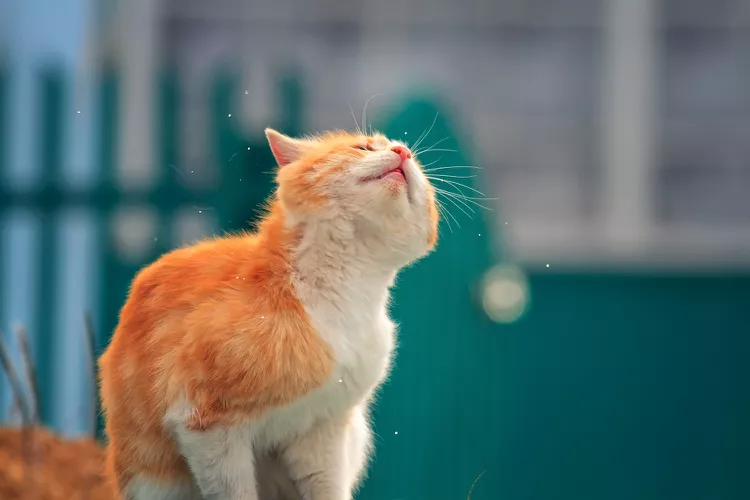
Cat head shaking is often a sign of a medical condition. Whether it's an underlying ear infection or a more serious problem, you'll want to get to the bottom of it quickly so your cat can get some relief. Here are some potential explanations for head shaking in cats and when you should contact your veterinarian.
Why Do Cats Shake Their Heads?
Cats typically shake their heads when their ears are itchy or painful. The behavior may be frequent or intermittent, and the cat may also scratch their ears. Several medical conditions can cause itchy or painful ears.
Ear Infections
Ear infections are the most common cause of head shaking in cats. Caused by an overgrowth of yeast or bacteria, ear infections can cause intense itching and pain. The ears may appear red and contain excess debris or discharge. Sometimes, the ears will have a foul odor.
Ear Mites
Ear mites (Otodectes cynotis) are external parasites that are more often seen in cats than in dogs, but they're not especially common in indoor cats. The microscopic mites live and reproduce in the ears, causing intense itching that can make your cat shake their head for relief. It's common to see dark debris inside the ears that may have an unpleasant smell.
Allergies
Allergies in cats can arise either from contact, inhalation, food, or insects (especially flea bites). These allergies often manifest as intense itching around the head, neck, and ears, and can include head shaking.
Polyps
Cats can sometimes develop ear polyps, also called feline inflammatory polyps. These are benign growths that originate from the surface of a cat's middle ear, outer ear, or nasal cavity. The sensation of the polyp can cause cats to shake their heads and scratch their ears. Additional signs of a polyp vary depending on where it is located but can include:
- Sneezing
- Head tilt
- Drooping eyelid
- Abnormal eye movement
- Noisy breathing
- Nasal or ocular discharge
Insect Bites
Cats, being natural predators, are prone to getting insect bites, mostly on the face and paws. Some cats will have a reaction localized to the site of the bite that can include swelling, inflammation, itching, hives, and also head shaking. Although rare, your cat may experience an anaphylactic reaction, which requires immediate veterinary attention.
Foreign Materials
It's possible, though rare, for a cat to get foreign material in one or both ears. This is more likely to occur in outdoor cats while they're exploring. Things like seeds, dirt, and foliage can enter the ears and cause irritation or inflammation.
Ear Hematoma
An aural (ear) hematoma, sometimes referred to as "pillow ear," isn't so much a reason for head shaking as it is something that can happen as a consequence of excessive head shaking. If a cat (or a dog) shakes their head hard enough, they can burst the small blood vessels within the ear flap (pinna). The ear flap fills with blood and takes on a puffy, pillow-like appearance.
Warning
Don't try to treat excessive head shaking in cats yourself. Over-the-counter ear medications can be ineffective and may even cause side effects such as deafness if the eardrum is damaged. Schedule an appointment with your regular veterinarian to get your cat's head shaking checked out.
Head Tremors vs. Shaking Head
There's a difference between head shaking and head tremors (or head bobbing). When a cat shakes their head, it's a deliberate behavior done as a response to itching or discomfort. Head tremors are involuntary and may resemble a subtle seizure. It can appear as if the cat is bobbing their head, or it may look more like trembling. Potential causes of head tremors in cats include:
- Oral/dental problems
- Feline infectious peritonitis
- Brain tumors
- Devon Rex myopathy, a breed-specific, hereditary condition that causes muscle weakness
- Other neurological or neuromuscular conditions
If you think your cat is experiencing head tremors, see a veterinarian as soon as possible.
What to Do If Your Cat is Shaking Their Head
Contact your veterinarian if your cat is frequently shaking their head for more than a day or two. The vet will examine your cat and visualize the ear canals using an otoscope. This allows them to look for inflammation and debris and to determine if the eardrum (tympanic membrane) is intact. This step is important as some ear medications can be toxic to the inner ear. Next, they may take samples of ear debris or discharge to look at under a microscope, checking for yeast, bacteria, and ear mites.
If your cat's head shaking is mild and the ears are not red, you can try gently cleaning the ears with a cat-safe ear cleaner. Dampen gauze or cotton balls with the cleanser, then gently wipe away visible debris. Avoid putting liquid directly into the ear unless recommended by your vet. If the eardrum is damaged, liquids can make the problem worse.
Treatment & Prevention
Treatment for your cat will depend on the underlying cause of the head shaking and additional exam findings. In many cases, the veterinarian will recommend ear cleaning before using medications.
- Ear infections are typically treated with medicated ear drops applied once or twice daily for five or more days.
- Ear mites can be treated in several ways. Your vet may apply a topical product to the skin or ears, administer injections, or prescribe oral medications.
- Polyps can only be effectively treated via surgical removal.
- Insect bites are often treated with antihistamines or steroids to treat the inflammation.
- Allergies may be treated with antihistamines and other anti-itch medications while your vet tries to determine the underlying allergen causing the problem.
- Fleas require treatment with an effective flea-control product.
You may be able to prevent head shaking in cats by keeping their ears clean and bringing your cat to the vet for routine wellness exams. Be sure to contact your vet if your cat is shaking their head as they may be able to identify and treat the problem before it makes your cat very ill.