
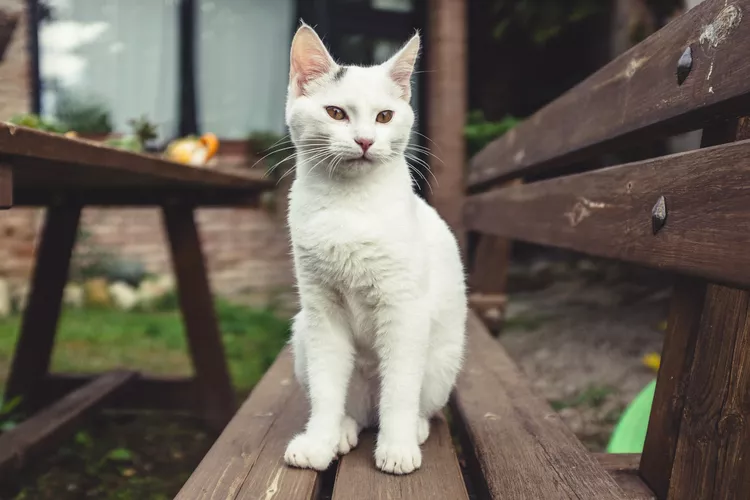
It’s natural to want to help if you find a lost cat. But how can you help, and how do you know if it’s a feral cat or someone’s pet? Choosing the right steps in this scenario is key, since you don’t want to end up assuming a lost or stray cat is feral. Nor do you want to take a feral cat into your home or to a shelter, since a cat who wasn’t socialized in kitten-hood is unlikely to ever adapt to life with humans. It’s important then that you determine what you’re working with so that you can figure out your best plan of action.
Feral Cat, Stray Cat, or Lost Cat?
Your first task is going to be to figure out whether the cat you’ve found is a stray or lost cat or if it’s feral.
A feral cat is a domestic cat who does not have a human caretaker. Feral cats have had no or little contact with humans, and while it may be tempting to “rescue” one, they are quite sufficient at surviving on their own.
A stray cat is a domestic cat who did have a caretaker but has left or lost their home. Strays have had human contact before, though as that contact lessens they may become feral. Strays are generally a bit more trusting of humans though, and most can learn to trust again.
A lost cat is a pet who has gotten out. Usually the owners of a lost cat will be actively on the lookout, so you may see signs posted. You may also see a collar and a tag on the cat, but the lack of a collar does not mean the cat is not lost.
It’s not always easy to tell the difference between these various types of cats right away, but feline advocacy group Alley Cat Allies has some tips for figuring out if a cat is feral or stray. If the cat isn’t feral, you can then move on to the steps in the next section.
If you find a cat who you think is feral, it is probably worth reaching out to your local cat rescue group. Many practice trap-neuter-return (TNR), an initiative that involves trapping feral cats, spaying or neutering them, and returning them to their outdoor habitats.
Found a feral kitten? If they’re young enough, feral kittens can be socialized and turned into great pets, so it's worth taking the kitten in and either keeping it or bringing it to a shelter for care and adoption.
What to Do If You’ve Found a Stray or Lost Cat
Unlike feral cats, stray and lost cats can and should be rescued. Here’s what you should do.
Step 1: Get the cat somewhere safe. Grab some cat-safe food and see if the cat will come to you readily. If it does, gently pick it up and bring it inside. Stray and lost cats should be kept separate from any other pets you have, so put it somewhere like a bathroom or spare bedroom where it will not have contact with other animals. Put some food and fresh water in there, and fill an empty aluminum baking pan with litter. If you need to trap the cat, try putting some food in a carrier and keeping a close eye on it.
Step 2: Check to see if there’s a missing cat in your area. Call your local rescue groups and animal care and control, and check out websites like Tabby Tracker and Lost My Kitty to see if a lost cat has been reported in your area. If so, you may be able to reunite the cat with its caregiver pretty easily. Otherwise, bring the cat to a shelter or veterinarian’s office to have it scanned for a microchip. The information attached to microchips is stored in national databases with owners' contact information.
Step 3: Put out a “found cat” ad. You still may be dealing with a lost cat even if the efforts above are fruitless. The same websites that allow you to search whether a cat has been reported missing also allow you to report when you’ve found one. Put a “found cat” ad on as many relevant sites as you can, including local community pages on social media. If you can’t keep the cat in your home during this time, bring it to animal care and control. Ask how long the cat can stay there before it must be picked up, and check in regularly for updates. If the cat hasn’t been picked up in the designated amount of time, pick it back up and bring it to a shelter.
Step Four: Find the cat a new home if necessary. If you’ve followed all of the steps and have had no luck reuniting the cat with its caregiver, then it will likely need a new home. You can adopt the cat yourself, or you can call around to nearby rescues and see if anyone can take it in. Beware of using Craigslist or other social sites to find the cat a home—it’s always better to leave that task to a shelter.
Deciding if you should keep the cat once you’ve exhausted all other options is obviously personal and depends on your situation, but it’s always worth considering. If you’ve bonded with the cat, are allowed to have cats in your home, and have the desire, it may just be meant to be.